
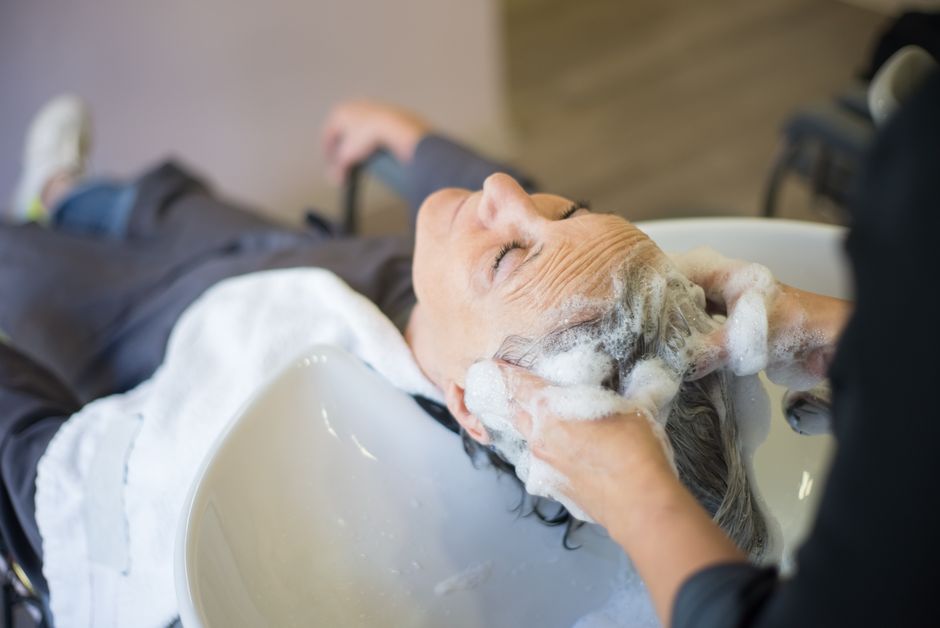
If you stop using shampoo for a month, your hair will usually look oilier at first, then calmer and less puffy. The scalp adjusts by producing less visible surface oil for many people, though this is not guaranteed. Most people see the biggest change in the first two to three weeks, and the final look depends heavily on hair type, water, and how you wash instead.
That is the short answer. The longer answer has more texture to it, because “no shampoo” can mean several different things. Some people quit washing entirely. Some rinse with water only. Some switch to conditioner-only washing or to a cleansing method that does not use traditional shampoo. Each path leads to a different month-one result.
What Happens to Hair Without Shampoo After One Month?
The most common report after four weeks is hair that feels less stripped and looks slightly heavier. Sebum, the oil your scalp glands make, spreads down the hair shaft over time. Shampoo removes most of that oil each wash. When you stop, the oil stays.
For the first week or two, that often means visible greasiness near the roots. Strands may clump together. The hair can look darker because oil changes how light reflects off it. By week three or four, many people say the oil spreads more evenly and the hair looks less greasy at the roots than it did at the start. Others say nothing improves and they give up.
The honest position: there is very little controlled research on what happens when people stop using shampoo. Most of what is described online comes from personal accounts, not clinical studies. So treat any confident claim that “your scalp self-balances in exactly 30 days” with caution. The mechanism is plausible. The timeline is not well established.
Why Does Hair Get Greasy When You Stop Washing It?
Sebaceous glands in the scalp release sebum continuously. This is normal and not a sign of poor hygiene. Sebum coats the hair and scalp and helps keep the skin barrier intact. Shampoo, especially one with strong surfactants, strips that oil away.
There is a popular idea that shampooing too much causes the scalp to overproduce oil in response. This is often stated as fact, but the evidence for a direct feedback loop in humans is limited. What is well documented is simpler: when you stop removing oil, the oil that was always being made becomes visible. The grease you see in week one is not necessarily new oil production. It is oil that used to go down the drain.
Over time, some of that oil is absorbed by the hair shaft or spread along it by brushing and movement. That is one reason week four often looks different from week one, even if oil production has not changed much.
How Does Hair Without Shampoo a Month Look Like for Different Hair Types?
Hair type changes the outcome more than almost anything else. The same routine can leave one person looking fine and another looking flat.
- Fine, straight hair: Shows oil fastest. Often looks stringy within days and may not improve much by week four.
- Thick or wavy hair: Tends to hide oil better. Frequently looks fuller and less frizzy after a few weeks.
- Curly and coily hair: Often benefits most. Curly hair is naturally drier, so less stripping can mean better-defined curls and less breakage.
- Color-treated or chemically relaxed hair: Results vary widely. Reduced washing may help preserve color, but buildup can dull the look.
Scalp type matters too. Someone with an oily scalp may never reach a comfortable look without some form of washing. Someone with a dry or sensitive scalp may notice less itching and flaking.


Does “No Shampoo” Mean No Washing at All?
No. This is where a lot of confusion lives. Going without shampoo does not have to mean going without cleaning. There are several approaches, and they produce very different month-one looks.
- Water-only washing: Rinsing and massaging the scalp with warm water. Removes some surface debris but not much oil.
- Conditioner-only washing: Using conditioner to loosen dirt and oil, then rinsing. Popular with curly hair.
- Co-washing: A similar idea using a product made specifically for cleansing without harsh surfactants.
- Natural alternatives: Things like baking soda and apple cider vinegar. These are widely shared online but not well studied, and baking soda can be harsh on hair and scalp over time.
Water-only washing works for some people and fails for many. There is no reliable way to predict which group you fall into without trying it.
What Are the Risks of Quitting Shampoo?
The main risks are scalp-related, not hair-related. When oil, dead skin cells, and product residue build up, the scalp environment changes.
Some people develop itching, flaking, or irritation. If you already have a scalp condition such as seborrheic dermatitis or dandruff, reducing washing can make it worse. That is because the yeast involved in these conditions thrives with more oil available. If you have a diagnosed scalp condition, cutting out shampoo is something to discuss with a clinician rather than try blindly.
There is also the matter of buildup. Styling products, hard water minerals, and sebum can accumulate on the hair. Over weeks, that can leave hair looking dull and feeling coated. For some people this is the real reason month one looks worse, not the lack of shampoo itself.
None of this means quitting shampoo is dangerous. It means the scalp is a living surface with its own balance, and changing how you treat it can shift that balance in either direction.
Is There Evidence That Quitting Shampoo Is Better for Hair?
Not much, and this is worth being clear about. The claim that skipping shampoo is healthier for hair is mostly based on reasoning about reduced stripping of natural oils, plus a large volume of personal experience shared online.
There is no body of controlled trials showing that going shampoo-free improves hair growth, thickness, or scalp health in the general population. Reduced washing can help preserve color and reduce dryness for some people. Those effects are plausible and commonly reported. They are not the same as proven benefits.
What is better established is that overwashing, especially with harsh products, can strip hair and irritate the scalp. That does not automatically mean zero washing is the fix. It may just mean washing less often or choosing a gentler product.
How Do You Manage the Transition If You Try It?
If you decide to try it, the practical steps matter more than the philosophy.
- Rinse and massage the scalp with warm water regularly, even on non-wash days.
- Use a boar-bristle or wide-tooth comb to help spread oil from roots to ends.
- Keep styling product use low during the first month so buildup does not confuse the picture.
- Watch your scalp, not just your hair. Itching or flaking is a signal to adjust.
- Give it a defined trial period, then decide based on how it actually looks and feels.
A useful way to think about it: the goal is not “no shampoo” as an identity. The goal is finding how often your scalp and hair actually need cleaning. For many people that number is somewhere between daily and never, and it changes with season, activity, and hormones.
Frequently Asked Questions
How long does it take for hair to adjust to no shampoo?
Most people report the biggest shift in the first two to four weeks, with oil spreading more evenly over time. There is no reliable clinical timeline, and some people never reach a look they like.
Does hair look better after a month without shampoo?
For some people, yes, especially those with thick, wavy, curly, or dry hair. For fine or oily hair, it often looks greasier and flatter rather than better.
Can going shampoo-free cause hair loss?
No evidence shows that skipping shampoo causes hair loss. Buildup and scalp irritation can make hair look thinner, but that is a cosmetic effect, not true hair loss.
Is water-only washing enough to clean hair?
Water alone removes some surface debris but very little oil, so many people find it insufficient. It works for some hair types and fails for others, and there is no way to predict which without trying.
