
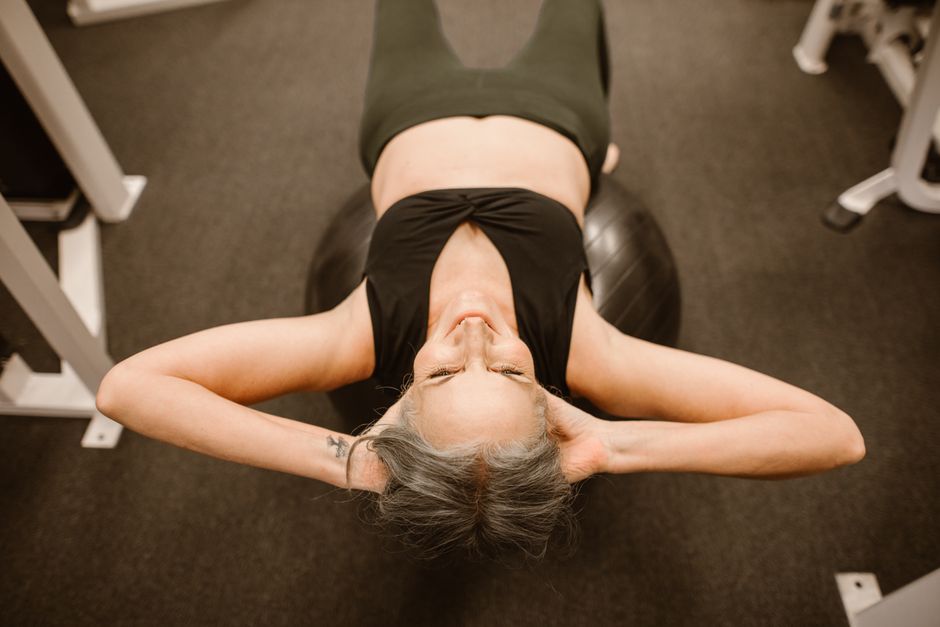
Exercise helps relieve IBS symptoms mainly by changing how the gut and brain communicate. Physical activity improves gut motility, lowers stress hormones, and reduces the visceral hypersensitivity that makes an ordinary bowel sensation feel painful in IBS. It does not cure IBS, and the effect is modest, but the evidence supports it as a reasonable part of symptom management.
How Does Exercise Relieve IBS Symptoms?
IBS is a disorder of gut-brain interaction. That means the problem is not structural damage to the bowel. It is a disturbance in how the gut moves, how sensitive its nerves are, and how the brain interprets signals coming from it.
Exercise appears to act on several of these points at once. It speeds up or regulates the passage of contents through the colon. It reduces circulating stress hormones like cortisol. And it raises the threshold at which the gut reports discomfort to the brain.
The strongest evidence is for aerobic exercise at moderate intensity. Some studies suggest that regular moderate activity reduces symptom severity in people with IBS, though the trials are generally small and the effect sizes are not large. The evidence is real but not dramatic. Anyone expecting exercise alone to eliminate symptoms should calibrate their expectations.
One clarification worth making: exercise is not thought to work by “flushing out” the gut or by burning off something harmful. The benefits appear to come from nervous system and motility effects, not from mechanical cleansing.
What Does Exercise Actually Change in the Gut?
Physical activity affects the digestive tract through several established mechanisms. These are well understood in physiology, even if the specific IBS benefits are still being studied.
- Motility: Moderate exercise stimulates colonic activity and helps regulate the timing of bowel movements. This can help both constipation-predominant and diarrhea-predominant patterns, though in different ways.
- Stress response: Exercise lowers baseline stress hormone levels over time. Since stress is a well-documented trigger for IBS flares, this pathway matters.
- Visceral sensitivity: Regular activity appears to raise the threshold at which gut sensations become uncomfortable. This is part of why exercise is studied in chronic pain conditions generally.
- Sleep and mood: Exercise improves sleep quality and mood, both of which influence IBS symptom perception.
The stress pathway deserves emphasis. The gut and brain are connected through the vagus nerve and the enteric nervous system. Chronic stress changes gut motility and increases nerve sensitivity. Exercise is one of the more reliable ways to reduce that stress load without medication.
Which Type of Exercise Helps IBS Most?
Moderate aerobic activity has the most support. Walking, swimming, cycling, and light jogging all fall into this category. The goal is steady movement that raises your heart rate without pushing you into exhaustion.
Gentle strength training can also help, mainly through its effects on mood and sleep. What does not have strong evidence is high-intensity interval training for IBS specifically. Intense exercise can trigger gut symptoms in some people by diverting blood flow away from the digestive tract and increasing stress hormones.
Yoga has been studied for IBS with some promising results. A few small trials suggest it reduces symptom severity, possibly through breathing and stress reduction rather than physical exertion alone. The evidence is not as strong as for aerobic exercise, but it is reasonable to include.
Some clinicians recommend starting with short sessions and building gradually. This is sensible for anyone whose gut is sensitive to physical stress. A 10-minute walk after a meal is a reasonable starting point for many people, though individual tolerance varies.
Can Exercise Make IBS Symptoms Worse?
Yes, in some cases. Exercise is not universally helpful for IBS, and intense activity can trigger symptoms in certain people.
High-intensity exercise raises cortisol and adrenaline. It also redirects blood flow away from the gut toward working muscles. For someone with a sensitive gut, this can produce cramping, urgency, or loose stools during or after exercise.
Running in particular is associated with gastrointestinal symptoms even in people without IBS. The mechanical jostling of the abdomen, combined with reduced blood flow to the gut, can provoke symptoms. This does not mean running is off-limits for everyone with IBS, but it is worth noting if symptoms consistently worsen after runs.
Timing matters too. Exercising soon after a large meal can aggravate symptoms. So can exercising on an empty stomach if you are prone to urgency. There is no universal rule here, only individual patterns worth tracking.
How Much Exercise Is Needed to See a Difference?
General physical activity guidelines recommend at least 150 minutes of moderate-intensity aerobic activity per week for adults. That is the standard public health recommendation, not an IBS-specific one.
For IBS symptom relief specifically, no clinical guideline currently specifies an exact dose. The research suggests that regular moderate activity is more helpful than occasional intense activity. Consistency appears to matter more than duration.
Some studies have used walking programs of around 30 minutes, three to five times per week. Others have used supervised aerobic training. The common thread is regularity at a moderate level, not peak intensity.
If you are starting from a low activity baseline, building up gradually is reasonable. Sudden increases in exercise volume can themselves trigger gut symptoms in sensitive individuals.
Does Exercise Help Anxiety-Related IBS?
Yes, this is one of the clearer connections. Anxiety and IBS are closely linked, and exercise has well-established effects on anxiety.
Regular aerobic exercise reduces symptoms of anxiety in the general population, according to a substantial body of research. Since anxiety is a known trigger for IBS flares, reducing it through exercise is a plausible route to symptom relief.
The gut-brain axis runs in both directions. Stress and anxiety change gut motility and increase pain sensitivity. Exercise interrupts that cycle by lowering the stress response and improving mood regulation.
This does not mean IBS is “all in your head.” The gut changes are real and measurable. It means the nervous system plays a genuine role, and exercise is one way to influence it.
What Else Helps IBS Alongside Exercise?
Exercise works best as part of a broader approach. No single intervention manages IBS well on its own for most people.
Dietary changes are among the most studied approaches. A diet low in fermentable carbohydrates, known as a low-FODMAP diet, has good evidence for reducing symptoms in some people with IBS. It is typically done with guidance from a dietitian, since it involves significant restriction and needs to be reintroduced carefully.
Stress management techniques, including cognitive behavioral therapy and gut-directed hypnotherapy, have reasonable evidence for IBS symptom relief. Some clinicians recommend these alongside or instead of medication for certain patients.
Medications exist for specific IBS symptoms, including antispasmodics, laxatives, and drugs that target gut sensitivity. These are prescribed based on the predominant symptom pattern and should be discussed with a clinician.
What does not have strong evidence: many supplements marketed for IBS. Probiotics have mixed evidence, with results varying by strain and individual. Fiber can help some people and worsen others, depending on the type and the person.
When Should You See a Doctor About IBS Symptoms?
IBS is a diagnosis of exclusion in some cases, meaning other conditions need to be ruled out first. Certain symptoms warrant medical evaluation rather than self-management.
See a doctor if you have blood in your stool, unexplained weight loss, symptoms that wake you from sleep, a new onset of symptoms after age 50, or a family history of colon cancer or inflammatory bowel disease. These are red flags that go beyond typical IBS.
Also seek evaluation if your symptoms are severe, are getting worse, or are not responding to lifestyle changes. IBS is common and manageable, but it shares symptoms with conditions that need different treatment.
Once IBS is diagnosed, exercise is a reasonable self-management tool. It is not a substitute for medical care when symptoms are significant or changing.
Frequently Asked Questions
Does exercise cure IBS?
No, exercise does not cure IBS, which is a chronic disorder of gut-brain interaction. It can reduce symptom severity in some people, but it is one part of management rather than a cure.
What is the best exercise for IBS?
Moderate aerobic exercise like walking, swimming, or cycling has the most support. Gentle yoga may also help through stress reduction, though the evidence is not as strong.
Can exercise trigger IBS symptoms?
Yes, intense exercise can trigger cramping or urgency in some people by raising stress hormones and reducing blood flow to the gut. Moderate activity is generally better tolerated.
How long does it take for exercise to help IBS?
No specific timeline is established in clinical guidelines. Some people notice improvement within a few weeks of regular moderate activity, but responses vary and the effect is typically gradual.
