
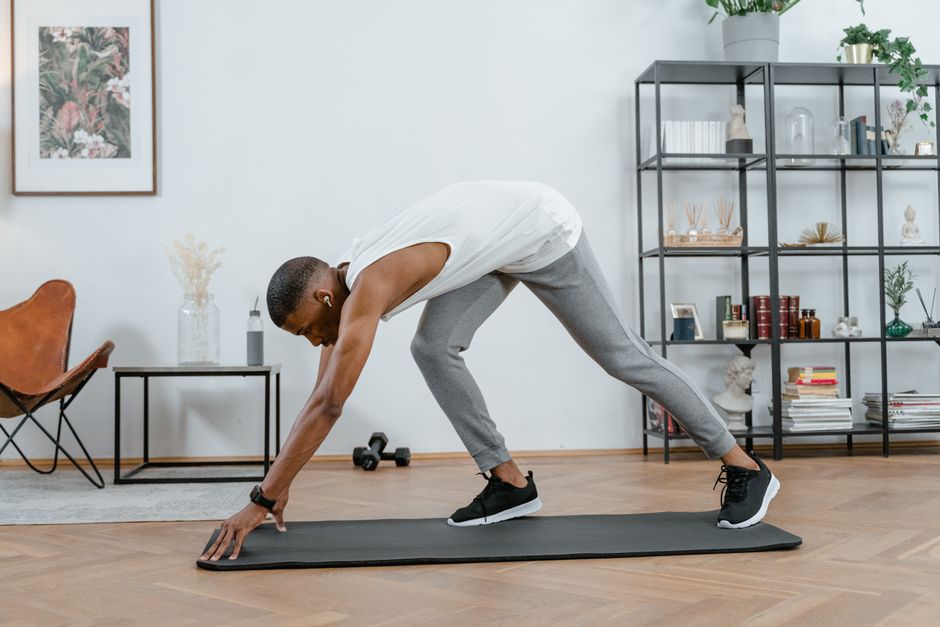
Your heart is pounding. Your thoughts are racing. And a 20-minute walk might do more for that churning feeling than you’d expect. Exercise helps anxiety through several well-documented pathways. It changes brain chemistry, calms the body’s stress response, and builds a measurable buffer against future anxious episodes. The science behind this is solid. What exercise can and cannot do for anxiety is where the details matter.
How Does Exercise Help Anxiety The Science Explained?
Most of the research points to a few core mechanisms working together. Exercise releases chemicals in the brain that affect mood and reward, including endorphins and endocannabinoids — the body’s own cannabis-like molecules. It lowers resting levels of stress hormones over time. It also changes how the brain responds to threat signals, which is central to anxiety.
Research published in Frontiers in Psychiatry describes exercise as influencing several anxiety-related systems at once: the hypothalamic-pituitary-adrenal axis (the body’s main stress hormone system), the immune system, and the brain’s growth and plasticity pathways. That multi-system effect is part of why exercise shows up so consistently in anxiety research.
One clarification worth making: the endorphin explanation, while popular, doesn’t fully explain the anxiety-reducing effect. Endorphins are large molecules and cross into the brain less readily than the term “runner’s high” implies. Researchers now give more weight to endocannabinoids and to changes in brain regions that process fear. The story is more interesting than the simple version.
What Happens in Your Brain and Body During Exercise?
Anxiety involves a stress response that fires too easily or too often. Exercise trains that same system — in a controlled way.
During moderate exercise, your heart rate rises, breathing speeds up, and stress hormones like cortisol and adrenaline briefly increase. This is the same physical signature anxiety produces. When you exercise, you’re essentially practicing that arousal state in a context you chose, at a level you can stop. Over time, this is thought to help the nervous system learn that a racing heart is not automatically a threat.
Some researchers call this “exposure” — a deliberate, safe encounter with the physical sensations of anxiety. It’s a plausible and widely discussed mechanism, though not every study confirms it as the primary driver.
Exercise also prompts the release of brain-derived neurotrophic factor (BDNF), a protein that supports the growth and survival of neurons. BDNF is involved in learning and memory, and lower levels have been associated with mood and anxiety disorders in some studies. The relationship is not fully mapped, but it’s one of the better-supported biological links between exercise and mental health.
After exercise, many people notice a period of calm. Heart rate settles. Muscle tension drops. The stress response winds down. That post-exercise window is real and measurable, though it’s temporary — which is why consistency matters more than any single session.
Does Exercise Actually Reduce Anxiety or Just Distract From It?
It does more than distract. The evidence base is substantial.
Research published in Sports Medicine reviewed the effects of exercise on anxiety and found consistent reductions in anxiety symptoms across studies, in both healthy people and those with anxiety-related conditions. A separate body of work in The Lancet Psychiatry examined exercise and mental health outcomes across large population samples and found associations between physical activity and better mental health.
The American Psychological Association and other clinical bodies recognize exercise as a supportive tool for managing anxiety. What’s important to understand: exercise is generally studied as an addition to treatment, not a replacement for it. The strongest evidence supports it alongside therapy, medication, or both — not instead of professional care.
For people with diagnosed anxiety disorders, the research is encouraging but not uniform. Some trials show meaningful symptom reduction. Others show smaller effects. Response varies by person, by type of anxiety, and by how much exercise is done. No single study has established exercise as equivalent to first-line treatments for anxiety disorders.
What Kind of Exercise Helps Most With Anxiety?
Moderate aerobic exercise has the largest body of supporting research. Walking, jogging, cycling, and swimming all appear in studies showing anxiety reduction. The specific activity matters less than getting the heart rate up consistently.
Strength training also shows promise. Some studies suggest resistance exercise reduces anxiety symptoms, though the evidence base is smaller than for aerobic activity. Yoga and tai chi combine movement with controlled breathing, and both have been studied for anxiety with generally favorable results — though it’s difficult to separate the effect of movement from the effect of breathing and mindfulness.
A practical comparison of common approaches:
| Activity type | Evidence for anxiety reduction | Practical notes |
|---|---|---|
| Moderate aerobic (walking, jogging, cycling, swimming) | Strongest evidence base | Can be done at most fitness levels; easy to sustain |
| Resistance training | Some supporting evidence | Smaller research base than aerobic; still beneficial for overall health |
| Yoga and tai chi | Generally favorable results | Breathing and mindfulness components may contribute |
| High-intensity interval training | Limited, mixed evidence for anxiety | Very intense exercise can temporarily mimic anxiety sensations; may not suit everyone |
That last row deserves attention. For some people with anxiety, especially panic-related anxiety, very intense exercise can feel uncomfortably close to a panic attack. That doesn’t mean it’s harmful — but starting moderate and building up is a reasonable approach, and some clinicians recommend exactly that.
How Much Exercise Do You Need to Feel a Difference?
The general physical activity guidelines for adults are well established: at least 150 minutes of moderate-intensity aerobic activity per week, plus muscle-strengthening activity on two or more days per week. These come from the U.S. Physical Activity Guidelines for Americans and are set for overall health, not specifically for anxiety.
For anxiety specifically, there is no official exercise prescription. No clinical guideline currently specifies an exact dose — frequency, duration, or intensity — proven to reduce anxiety symptoms. Research studies have used a wide range of protocols, from single sessions to multi-week programs, and results vary.
What the evidence does suggest:
- Even a single session of moderate exercise can produce a short-term reduction in anxiety — sometimes called “acute” anxiety reduction.
- Longer-term benefits appear to require regular activity over weeks, not a one-time effort.
- Consistency matters more than intensity. A regular walking routine is a reasonable starting point for most people.
If you’re starting from little or no activity, building up gradually is sensible. Sudden intense exercise in someone unaccustomed to it isn’t dangerous for most healthy adults, but it can be uncomfortable and hard to maintain.
Can Exercise Replace Therapy or Medication for Anxiety?
No. The evidence does not support exercise as a replacement for established treatment of anxiety disorders.
This is one of the most important points in this article. Exercise is a genuinely useful tool, and the research supporting its role in mental health is real. But anxiety disorders — generalized anxiety disorder, panic disorder, social anxiety disorder — are clinical conditions with established treatments. Cognitive behavioral therapy and certain medications have strong evidence behind them. Exercise has supportive evidence, generally as an addition.
Some clinicians recommend exercise as part of a broader treatment plan. That’s different from presenting it as a standalone cure. No large trial has shown exercise alone to be as effective as first-line treatment for anxiety disorders.
If anxiety is affecting your daily life — your sleep, your work, your relationships — speak with a healthcare provider or mental health professional. Exercise can be part of the plan. It shouldn’t be the whole plan.
Are There People Who Should Be Careful With Exercise for Anxiety?
For most people, moderate exercise is low-risk. But there are situations where caution makes sense.
People with certain heart conditions, uncontrolled blood pressure, or other medical concerns should check with a doctor before starting a new exercise program. This is standard guidance, not specific to anxiety.
For people with panic disorder or anxiety that’s triggered by physical sensations, intense exercise can sometimes provoke anxiety rather than relieve it. This isn’t a reason to avoid exercise — but starting gently and working with a therapist who understands anxiety can help. A clinician can guide gradual exposure to physical arousal in a safe way.
Some people find that exercising very late in the day affects their sleep. Since sleep and anxiety are closely linked, timing exercise so it doesn’t disrupt sleep is a reasonable adjustment. The evidence on exercise timing and sleep is mixed, so this is a personal-trial situation rather than a firm rule.
Frequently Asked Questions
How long does it take for exercise to reduce anxiety?
A single moderate workout can lower anxiety for a period afterward, often within the same day. Longer-lasting reductions generally require regular activity over several weeks.
What is the best exercise for anxiety?
Moderate aerobic exercise like walking, jogging, or swimming has the strongest research support. The best choice is one you’ll do consistently, since consistency appears to matter more than the specific activity.
Can exercise cure anxiety disorder?
No. Exercise has supportive evidence for reducing anxiety symptoms, but it is not established as a cure or a replacement for therapy or medication in anxiety disorders.
Does intense exercise make anxiety worse?
For some people, especially those with panic-related anxiety, very intense exercise can temporarily mimic anxiety sensations. Starting moderate and building gradually is a reasonable approach.
