
Coffee can raise blood pressure, but usually only briefly. In people who drink it regularly, the effect tends to be small and temporary. For most healthy adults, moderate coffee drinking is not a major driver of long-term high blood pressure. The bigger exceptions are people with untreated hypertension, people who are caffeine-sensitive, and anyone taking certain blood pressure medicines.
The details matter more than the headline. How much you drink, how often, and what your body does with caffeine all change the picture. So does the fact that coffee contains hundreds of compounds beyond caffeine. Here is what the evidence actually shows, and where it stays uncertain.
How Does Coffee Affect Blood Pressure?
Caffeine temporarily narrows blood vessels and can increase the force of each heartbeat. That combination tends to push blood pressure up within about 30 minutes of drinking coffee. The rise is usually modest — a few points — and it fades over the next few hours as the body clears caffeine.
The size of the bump varies widely from person to person. Some people see almost no change. Others, especially those who rarely drink caffeine, may see a larger spike. Age, body weight, genetics, and how fast your liver breaks down caffeine all play a part.
Regular coffee drinkers often develop tolerance to the acute effect. Their blood pressure may still rise slightly after a cup, but less than it did at first. This is why studies of habitual coffee drinkers tend to show smaller short-term effects than studies of people who rarely drink it.
One clarification worth making: coffee is not the same as caffeine. A cup of coffee contains hundreds of other compounds, including antioxidants and minerals. Some of these may have their own effects on blood vessels. That may help explain why coffee and caffeine pills do not always behave the same way in studies.
How Long Does the Effect Last?
The acute rise in blood pressure usually peaks within an hour and returns toward baseline within a few hours. Caffeine’s half-life — the time it takes for the body to clear half of it — averages around 3 to 5 hours in healthy adults. It can be longer in some people, including pregnant women and people taking certain medications.
That timing has a practical implication. If you measure your blood pressure shortly after coffee, you may see a higher reading that does not reflect your usual level. For a meaningful reading, it helps to avoid coffee for about 30 minutes beforehand and to sit quietly for a few minutes before the cuff goes on.
This also matters for people who check their blood pressure at home. A single high reading after coffee is not a reason to panic. Look at the pattern across many readings taken under similar conditions.
Does Regular Coffee Drinking Raise Blood Pressure Long Term?
For most healthy adults, the evidence does not show that moderate coffee drinking causes lasting high blood pressure. Large observational studies have generally found little or no meaningful link between habitual coffee intake and hypertension in people who drink it regularly.
That said, observational studies cannot prove cause and effect. People who drink coffee differ from those who do not in many ways that are hard to account for. The evidence is reassuring but not airtight.
There is one important caveat. Some people are genetically slow caffeine metabolizers. A few studies suggest they may be more likely to see a sustained rise in blood pressure with higher coffee intake. The research here is not settled, and genetic testing is not currently recommended for routine decisions about coffee.


Who Should Be More Careful With Coffee?
Some groups should pay closer attention to how coffee affects their blood pressure.
- People with untreated or poorly controlled high blood pressure. The acute rise may be more significant, and it is worth discussing coffee intake with a clinician.
- People taking certain blood pressure medicines. Some drugs, including certain calcium channel blockers, can interact with caffeine. Others may be affected by the timing of coffee relative to dosing.
- People who are caffeine-sensitive. If a single cup makes you jittery or raises your heart rate noticeably, your blood pressure is likely rising too.
- People with irregular heart rhythms. Caffeine can trigger palpitations in some people, and it is worth discussing with a doctor.
- Pregnant women. Caffeine clearance slows during pregnancy. Established guidance generally recommends limiting caffeine during pregnancy, and a clinician can advise on a safe level.
None of this means coffee is off-limits for these groups. It means the effect is worth knowing about and, where relevant, discussing with a doctor.
How Much Coffee Is Considered Moderate?
Moderate coffee intake is generally described as about 3 to 4 cups per day for healthy adults. This figure is widely used in dietary guidance and research. It is not a target or a recommendation — it is a reference point for what most evidence considers moderate.
The effect on blood pressure is not strictly linear. Going from one cup to two may matter more than going from three to four. Heavy intake — well beyond the moderate range — is where concerns about sustained blood pressure effects become more plausible, though the evidence is not definitive.
What counts as a “cup” is also worth clarifying. A standard cup is generally about 8 ounces. Many coffee shop servings are much larger, and the caffeine content varies widely by brew method, bean, and serving size.
Does the Type of Coffee Matter?
The type of coffee can influence both caffeine content and other compounds. Espresso has more caffeine per ounce than drip coffee, but a typical espresso serving is small. A large drip coffee may contain more total caffeine than a single shot of espresso.
Decaf is not caffeine-free. It contains small amounts of caffeine, typically far less than regular coffee. For people sensitive to caffeine, decaf may be a reasonable option, though it is not a zero-caffeine choice.
Some research suggests that filtered coffee and unfiltered coffee may differ in their effects on cholesterol, because unfiltered methods like French press retain more of certain compounds. The evidence on blood pressure specifically is less clear, and the difference is likely small for most people.
Does Coffee Raise Blood Pressure Immediately After Drinking?
Yes, blood pressure typically rises within 30 minutes of drinking coffee. The rise is usually modest and temporary. It is most noticeable in people who do not drink coffee regularly or who are sensitive to caffeine.
If you are monitoring your blood pressure, timing your readings away from coffee gives a clearer picture of your baseline. A reading taken right after a cup tells you about that moment, not your usual level.
What About Other Caffeine Sources?
Coffee is not the only source of caffeine. Tea, soda, energy drinks, chocolate, and some supplements and medications also contain it. The total caffeine load matters more than any single source.
Energy drinks deserve particular attention. Some contain high doses of caffeine along with other stimulants, and their effects on blood pressure and heart rate can be more pronounced than coffee. The evidence on their long-term cardiovascular effects is limited, and caution is reasonable, especially for people with existing heart or blood pressure conditions.
If you are trying to understand your caffeine intake, it helps to count all sources, not just coffee. A morning coffee plus an afternoon energy drink can add up quickly.
What Should You Do If You Are Concerned?
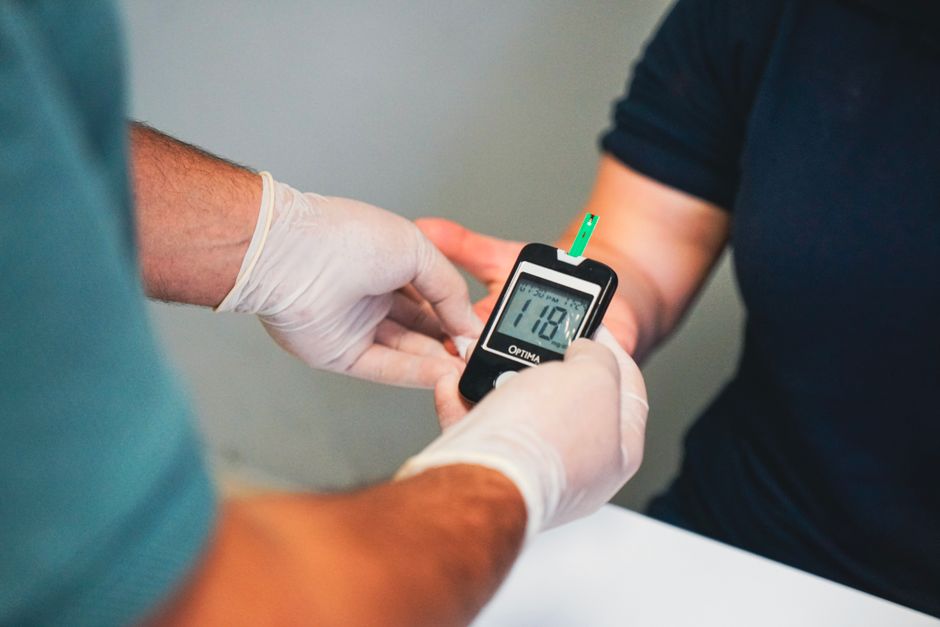
If you have high blood pressure or are worried about how coffee affects you, the most useful step is to measure. Take readings at consistent times, with and without coffee, and look at the pattern. A home blood pressure monitor can help you see whether coffee makes a meaningful difference for you.
Bring those readings to a doctor rather than making decisions on a single number. Blood pressure varies throughout the day for many reasons, and coffee is only one of them.
For most healthy adults, moderate coffee drinking is not a major concern for blood pressure. For people with hypertension or other conditions, the effect is worth knowing about and discussing. The evidence does not support fear of coffee, but it also does not support ignoring how your body responds to it.
Frequently Asked Questions
How much does coffee raise blood pressure?
The rise is usually modest — a few points — and temporary, peaking within about an hour. The size varies widely by person and by how regularly you drink coffee.
Does coffee cause high blood pressure long term?
For most healthy adults, the evidence does not show that moderate coffee drinking causes lasting high blood pressure. Some people, including slow caffeine metabolizers, may be more susceptible, but the research is not settled.
Is decaf coffee better for blood pressure?
Decaf contains far less caffeine, so it is less likely to cause an acute rise. It is not caffeine-free, and the long-term blood pressure evidence for decaf specifically is limited.
Should I stop drinking coffee if I have high blood pressure?
Not necessarily. Many people with high blood pressure can drink coffee in moderation, but it is worth discussing with a doctor, especially if your blood pressure is not well controlled.
