
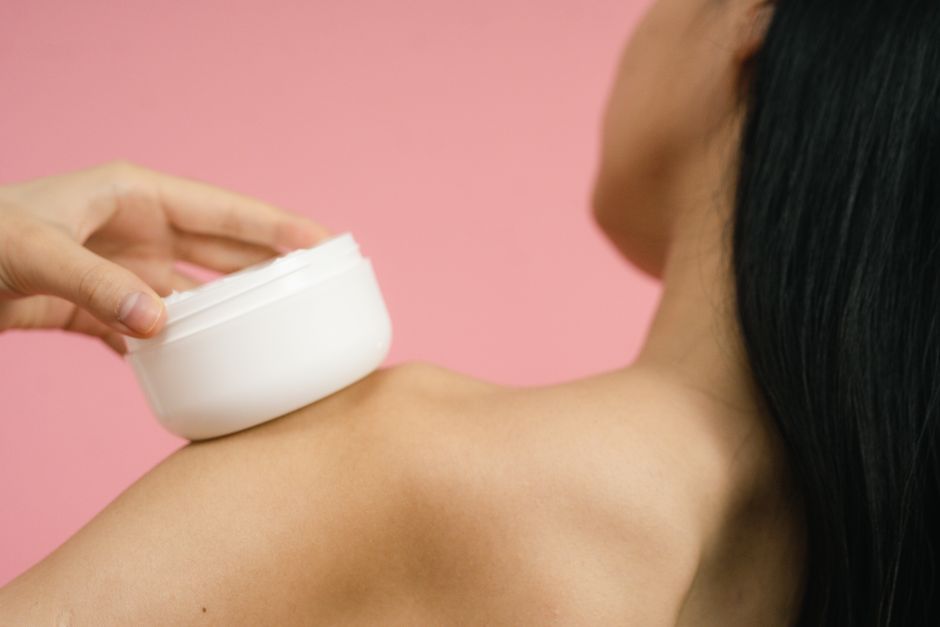
Calamine lotion is a simple, time-tested remedy for itchy skin. It works because it combines two gentle actions: cooling the skin as the lotion dries and leaving behind a protective layer that calms irritation. The active ingredient, zinc oxide, has mild astringent properties that help dry out oozing or weeping rashes, while the pink iron oxide gives it that familiar color. For poison ivy, insect bites, and mild heat rash, calamine is often the first thing dermatologists suggest because it is safe, inexpensive, and effective for symptom relief.
How Does Calamine Lotion Work on the Skin?
Calamine lotion works through a physical mechanism rather than a chemical one. When you apply it, the water and other liquids in the lotion begin to evaporate. That evaporation pulls heat away from the skin, which produces a cooling sensation that directly reduces the perception of itching.
Once the liquid dries, a fine layer of zinc oxide and iron oxide remains on the skin. This layer acts as a mild astringent, meaning it causes skin proteins to contract slightly. That contraction helps dry out weeping blisters and reduces the moisture that can make rashes worse. The dried layer also provides a physical barrier that protects irritated skin from friction and further irritation from clothing or scratching.
It is important to understand that calamine does not treat the underlying cause of a rash. It does not kill bacteria, fight viruses, or block histamine. It simply manages the symptoms—itching, oozing, and discomfort—while your body heals on its own.
What Conditions Does Calamine Lotion Treat?
Calamine is most effective for conditions where the skin is itchy, irritated, or oozing clear fluid. The most common uses are well supported by clinical experience and dermatology guidelines.
- Poison ivy, poison oak, and poison sumac: Calamine helps dry the weeping blisters and soothes the intense itching caused by urushiol oil.
- Insect bites and stings: Mosquito bites, bee stings, and chigger bites respond well to the cooling and protective effects.
- Heat rash (miliaria): The drying effect helps clear the blocked sweat ducts that cause the prickly sensation.
- Chickenpox: For children and adults, calamine can reduce the itch of the blisters, though oral antihistamines are often needed for more severe cases.
- Mild sunburn: The cooling effect provides temporary relief, though aloe vera and moisturizers are usually preferred for burn care.
Calamine is not effective for fungal infections, bacterial infections, or chronic conditions like eczema and psoriasis. For those, the underlying condition requires specific treatment. If you are unsure what is causing your rash, see a doctor rather than guessing.
How to Apply Calamine Lotion Correctly
Proper application makes a real difference in how well calamine works. Shake the bottle well before each use because the active ingredients settle at the bottom over time. Pour a small amount onto a cotton ball or pad, then apply a thin layer to the affected area.
Let the lotion dry completely before covering the area with clothing. A thin layer is all you need—applying a thick coat does not increase effectiveness and can leave a messy residue that rubs off onto clothes and bedding.
Most dermatologists recommend applying calamine two to three times a day, or as needed for itching. You can reapply after washing the area gently with cool water and patting it dry. Do not scrub the rash, as that can break blisters and increase the risk of infection.





Is Calamine Lotion Safe for Children and During Pregnancy?
Calamine is generally recognized as safe for children over two years old. For younger infants, check with a pediatrician first, especially if the rash covers a large portion of the body. The main concern with young children is accidental ingestion, so keep the bottle out of reach.
For pregnant and breastfeeding women, calamine is considered safe for topical use. The active ingredients are not absorbed significantly through intact skin, so systemic exposure is minimal. However, if you have broken skin or open wounds over a large area, absorption increases, and you should consult your doctor.
Never apply calamine to open wounds, deep cuts, or severely infected skin. The drying effect can slow healing on raw tissue and may trap bacteria beneath the dried layer.
When to See a Doctor Instead of Using Calamine
Calamine is a first-line remedy, but it is not a cure-all. You should stop using it and seek medical attention if you notice signs of infection. Those signs include increasing redness, warmth, swelling, pus, or red streaks extending from the rash.
See a doctor if the rash does not improve after seven to ten days of calamine use. A rash that spreads rapidly, covers more than a third of your body, or is accompanied by fever, headache, or difficulty breathing requires immediate medical evaluation. These symptoms can indicate a more serious condition such as a severe allergic reaction or an infection that needs prescription treatment.
If the itching is severe enough to interfere with sleep or daily activities, calamine alone may not be enough. Oral antihistamines like diphenhydramine (Benadryl) or cetirizine (Zyrtec) are often more effective for intense itching because they block histamine at the source. For very severe reactions, a doctor may prescribe a topical corticosteroid, which is significantly stronger than calamine for reducing inflammation.
Common Myths About Calamine Lotion
One persistent myth is that calamine lotion kills the urushiol oil from poison ivy. It does not. Urushiol binds to skin proteins within minutes of contact, and no topical lotion can remove it after that point. Washing with soap and water within the first 15 to 30 minutes after exposure is the only way to remove urushiol before it triggers a reaction.
Another myth is that calamine is the same as zinc oxide ointment. They share an active ingredient, but they are formulated differently. Calamine contains zinc oxide in a lotion base with water, which provides the cooling effect. Zinc oxide ointment is thicker, contains a higher concentration of zinc oxide, and is primarily used as a barrier against moisture, such as in diaper rash treatment. They are not interchangeable for all purposes.
Some people believe that calamine should be applied to any rash, including eczema. This is not correct. Calamine’s drying effect can actually worsen eczema, which requires moisture and emollients to manage. Using calamine on eczema can leave the skin excessively dry and more irritated.
Calamine vs. Hydrocortisone Cream: Which Should You Choose?
The choice between calamine and hydrocortisone depends on the nature of your rash. Calamine is best for wet, oozing rashes where drying is beneficial. Hydrocortisone is an anti-inflammatory steroid that works best for dry, inflamed, and intensely itchy conditions like eczema or allergic reactions.
For poison ivy with blisters, many dermatologists actually recommend hydrocortisone cream over calamine because the inflammation is the primary problem. Calamine dries the blisters but does little to reduce the underlying inflammatory response. Hydrocortisone directly reduces the inflammation that causes the itching.
For a mosquito bite with mild itching, calamine is usually sufficient. For a severe allergic reaction with significant swelling and redness, hydrocortisone is more appropriate. If you are unsure, start with calamine for mild symptoms and switch to hydrocortisone if there is no improvement within a day or two.
Note that hydrocortisone should not be used on broken skin or infected areas, and it should not be used for more than seven days without medical supervision. Calamine has no such time limit, which makes it a safer choice for long-term symptom management.
Does Calamine Lotion Expire?
Calamine lotion does have an expiration date, typically two to three years from the date of manufacture. After that date, the active ingredients may degrade, making the lotion less effective. The zinc oxide can also separate from the liquid base, and shaking may not fully recombine it.
Storing calamine in a cool, dry place away from direct sunlight helps maintain its effectiveness. Do not refrigerate it, as the cold can cause the lotion to thicken and become difficult to apply evenly. If the lotion develops an unusual odor, changes color, or becomes gritty even after thorough shaking, it is time to replace it.
Frequently Asked Questions
How quickly does calamine lotion start working?
The cooling effect begins within minutes as the lotion dries on the skin. The full drying and protective effect develops over about 15 to 20 minutes as the liquid evaporates completely.
Can I use calamine lotion on my face?
Yes, calamine is safe for the face as long as you avoid the eyes, mouth, and inside the nostrils. Apply a very thin layer and be aware that the pink residue will be visible until it washes off.
Does calamine lotion stop itching from bug bites?
Yes, it reduces the itching from most insect bites by cooling the skin and forming a protective barrier. For bites with significant swelling, an oral antihistamine may provide better relief.
Can I use calamine lotion with other skincare products?
You can, but apply calamine only to clean, dry skin and let it dry completely before applying moisturizers or other products over it. Do not mix calamine with other lotions in the same application, as this dilutes its effect.
