
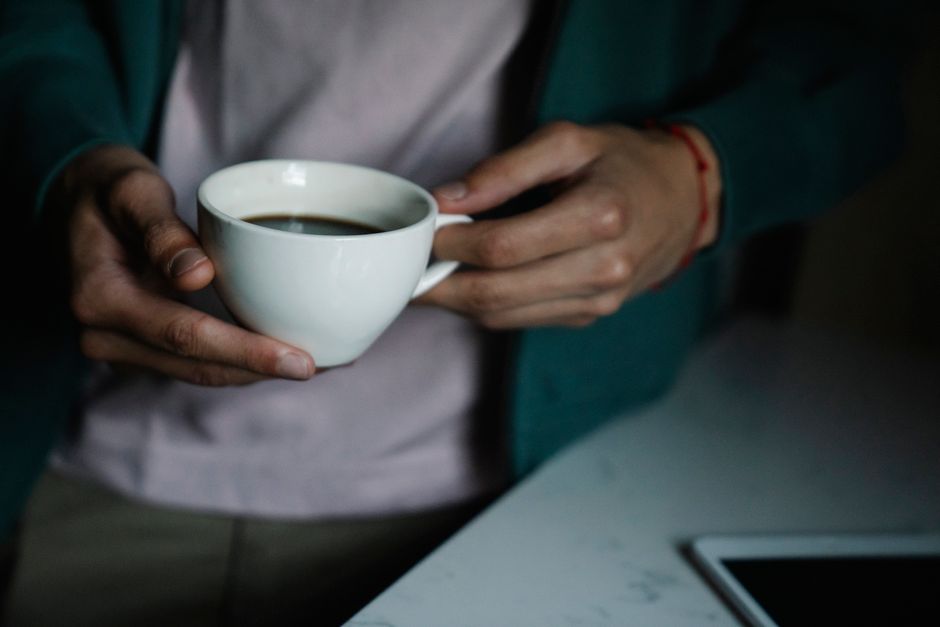
Caffeine is a stimulant that can directly interfere with the results of a cardiac stress test. Because caffeine blocks the effects of the medication used to simulate exercise during the test, it can lead to inaccurate results. Most medical guidelines require you to avoid caffeine for at least 12 to 24 hours before the procedure to ensure the test accurately reflects your heart’s function.
Why Do You Have to Avoid Caffeine Before a Stress Test?
A stress test measures how well your heart handles work. When you exercise on a treadmill, your heart rate and blood flow increase naturally. But many patients cannot exercise enough to reach the target heart rate. In these cases, doctors use a medication to make your heart respond as if you were exercising.
These medications, usually adenosine, regadenoson, or dipyridamole, work by dilating the coronary arteries to increase blood flow. Caffeine blocks the receptors these drugs rely on. If caffeine is in your system, the medication may not work properly. The result is that your heart may not reach the necessary level of stress, and the images or readings from the test could be misleading.
How Long Should You Stop Drinking Coffee Before a Stress Test?
The standard recommendation is to avoid all caffeine for at least 12 to 24 hours before the test. Some facilities require a longer period of 24 to 48 hours. You should follow the specific instructions given by your testing center.
It is not just coffee that matters. Tea, soda, energy drinks, chocolate, and certain medications also contain caffeine. Some over-the-counter pain relievers contain caffeine as an ingredient. Even decaffeinated coffee contains small amounts of caffeine, usually about 2 to 15 milligrams per cup compared to 95 milligrams in a regular cup. When preparing for a stress test, assume that any product containing caffeine should be avoided unless your doctor says otherwise.
What Happens If You Drink Coffee Before a Stress Test?
If you consume caffeine before the test, the staff may cancel or reschedule the procedure. This is not a punishment. It is because the test results would not be reliable.
When the stress medication is given, caffeine blocks its effect on your heart. Your heart may not speed up enough or your coronary arteries may not dilate properly. This can produce a false negative result, meaning the test appears normal when there is actually a blockage or reduced blood flow. A false negative is dangerous because it can delay necessary treatment.
In some cases, the medical team may not realize you have had caffeine until the test is underway. They might notice that your heart is not responding to the medication as expected. At that point, they may stop the test and reschedule it for another day.

Does Caffeine Affect an Exercise Stress Test Without Medication?
For a standard treadmill stress test where you exercise naturally, caffeine has less impact on the mechanics of the test. Your heart rate will rise from physical exertion regardless of caffeine intake. However, caffeine can still affect your blood pressure and heart rhythm during exercise.
Caffeine is a stimulant that can increase resting heart rate and blood pressure. It can also trigger arrhythmias in some people. These effects could make it harder for doctors to interpret your results. A heart rate that is already elevated from caffeine might make it seem like you reached your target earlier than you actually did. This can affect the accuracy of the test.
Most testing centers still ask you to avoid caffeine before any type of stress test. This keeps the conditions consistent and makes the results easier to interpret.
Caffeine and Heart Rate: What the Research Shows
Research consistently shows that caffeine raises heart rate and blood pressure shortly after consumption. The effect varies from person to person. Some people are highly sensitive to caffeine, while others can drink it with minimal noticeable change.
The bigger concern in stress testing is not the direct effect of caffeine on heart rate. It is the interaction between caffeine and the pharmacological stress agents. Adenosine and regadenoson are commonly used in myocardial perfusion imaging studies. These drugs require functioning adenosine receptors to work. Caffeine is an adenosine receptor antagonist, meaning it blocks those receptors.
When the receptors are blocked, the medication cannot increase coronary blood flow effectively. This is why the caffeine restriction is more critical for nuclear stress tests and other tests that use these medications. Some research suggests that even small amounts of caffeine, equivalent to less than one cup of coffee, can interfere with these tests.
What Counts as Caffeine Before a Stress Test?
Caffeine hides in many products beyond coffee. Review this list carefully in the 24 hours before your test:
- Coffee, including espresso and cappuccino
- Black, green, and white tea
- Cola and most sodas
- Energy drinks like Red Bull or Monster
- Chocolate and cocoa products
- Some protein bars and supplements
- Certain pain relievers like Excedrin
- Some cold and flu medications
- Decaffeinated coffee and tea, which still contain trace amounts
If you are unsure whether a product contains caffeine, check the label. If you still cannot tell, ask your doctor or the testing center. When in doubt, avoid the product entirely.
What If You Accidentally Had Caffeine?
If you realize you have consumed caffeine, do not hide it. Tell the medical staff when you arrive. They will likely reschedule the test.
Do not try to compensate by drinking extra water or waiting longer. The caffeine needs to be fully metabolized and cleared from your system. This takes time. Your liver processes caffeine, and the half-life is typically 3 to 5 hours in most adults. But this can be longer in some people, including pregnant women and those with liver conditions.
Rescheduling is a minor inconvenience compared to the risk of receiving incorrect test results. A false reading could lead to unnecessary procedures or missed heart problems.
Frequently Asked Questions
Can I drink water before a stress test?
Yes, plain water is fine and generally encouraged. Avoid all caffeinated beverages, including coffee, tea, and soda.
Can I take my blood pressure medication before a stress test?
Follow your doctor’s specific instructions. Some blood pressure medications should be taken normally, while others may need to be held on the day of the test.
How long does caffeine stay in your system?
The half-life of caffeine is typically 3 to 5 hours in most adults. This means it takes that long for your body to eliminate half of the caffeine, but full clearance can take longer.
Can I chew gum before a stress test?
Only if it is caffeine-free. Some chewing gums contain caffeine. Check the label or choose a clearly caffeine-free brand.
