
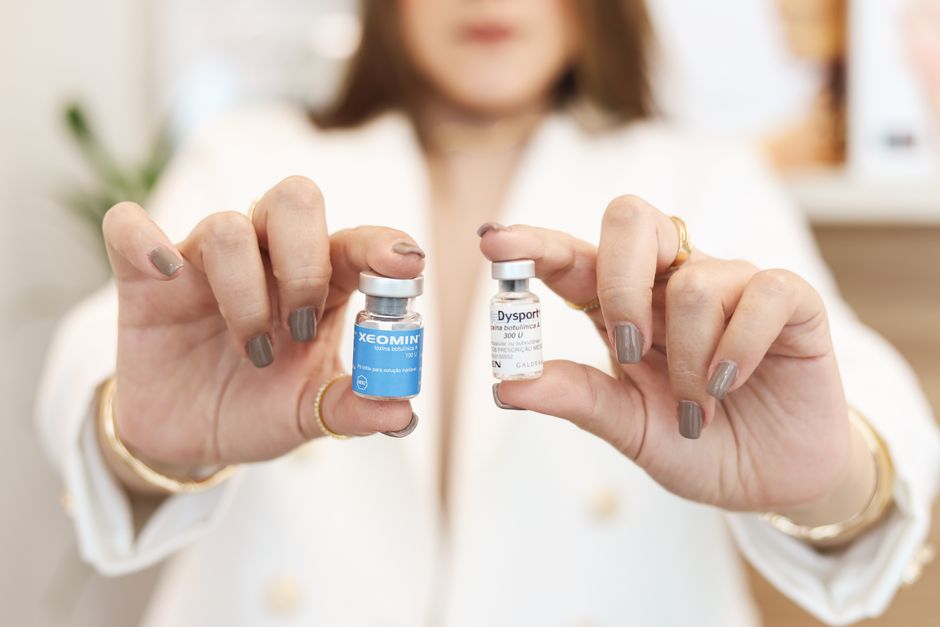
Botox works by blocking the nerve signals that tell specific facial muscles to contract. When those muscles can’t contract, the skin above them stops creasing, so existing lines soften and new ones are less likely to form. The effect is temporary — typically about three to four months for the treated area — because the body gradually restores those nerve signals over time.
How Does Botox Work For Wrinkles And How Long It Lasts?
Botox is a brand name for a purified form of botulinum toxin type A. It is a neurotoxin, which sounds alarming, but the amounts used in cosmetic treatment are very small and are injected into a specific muscle rather than circulating through the body.
The mechanism is well understood. Nerves release a chemical called acetylcholine to tell muscles to contract. Botulinum toxin type A enters the nerve endings at the injection site and blocks the release of acetylcholine. Without that signal, the muscle can’t tighten. A muscle that can’t tighten can’t fold the skin over it into a crease.
Why this only works on some wrinkles
This distinction matters more than most people realize. Wrinkles fall into two broad categories, and Botox only addresses one of them.
- Dynamic wrinkles form from repeated muscle movement — the vertical lines between the brows, forehead creases, and crow’s feet at the outer eyes. These are the wrinkles Botox is designed to treat.
- Static wrinkles are visible even when the face is completely at rest. They come from sun damage, loss of collagen and elastin, gravity, and the passage of time. Botox does not fill or erase these. It may soften them slightly if muscle movement was contributing to them, but it won’t remove a line that’s etched into the skin itself.
This is why someone with deep static lines may be told they need a different approach — dermal fillers, laser resurfacing, or other treatments — or a combination. Injecting more Botox into a static wrinkle won’t fix it, and trying to do so raises the risk of an unnatural result.
What Happens To The Muscle After Injection?
The muscle doesn’t die or get damaged. It simply goes quiet for a while.
When a muscle stops receiving nerve signals, it gradually weakens and shrinks slightly in the treated area. This is temporary and reverses once the nerve endings recover. That recovery is the whole reason Botox wears off.
The nerve ending doesn’t stay blocked forever. Over weeks and months, the body grows new nerve terminals and re-establishes the connection to the muscle. Once that connection is back, the muscle starts contracting again, and the wrinkles return.
One point worth clarifying: the wrinkles don’t come back worse than before. They return to roughly where they would have been. The muscle was never permanently altered. Some people notice the lines look similar to how they did before treatment, which can feel like a setback but isn’t damage.
How Long Does Botox Actually Last?
For most people, the visible smoothing lasts about three to four months. That’s the general range reported in clinical use, though individual results vary.
Several things affect how long it lasts:
- The treatment area. Some muscles respond differently than others. Areas with more movement may wear off faster.
- Dose used. A higher dose can last longer, but more isn’t always better — it raises the risk of a frozen or heavy look.
- Your metabolism and muscle activity. People who move those muscles a lot tend to see results fade sooner.
- Whether you’ve had it before. Some clinicians observe that regular treatment can extend results over time, though this isn’t guaranteed and varies by person.
There’s a common belief that the first treatment always wears off faster than later ones. Some people report this, but it’s not a reliable rule. Results vary enough that you shouldn’t plan around it.
Full effect doesn’t appear immediately. It typically takes a few days to start showing, with the full result usually visible within about one to two weeks. If you have an event coming up, that timing matters.





What Are The Risks And Side Effects?
Most side effects are mild and short-lived. They can include temporary bruising, swelling, or redness at the injection sites, and sometimes a mild headache in the days after treatment.
More specific effects depend on where the toxin spreads. If it affects nearby muscles that weren’t meant to be treated, it can cause:
- A drooping eyelid or eyebrow
- An uneven or asymmetrical smile
- Temporary weakness in the treated area
These effects are usually temporary and resolve as the toxin wears off, but they can last weeks. They’re more likely with certain treatment areas and with inexperienced injectors.
Serious complications are rare with cosmetic use at standard doses. The FDA has noted that the effects of botulinum toxin can spread from the injection site to distant parts of the body in some cases, causing symptoms like muscle weakness, difficulty swallowing, or breathing problems. This is uncommon, but it’s the reason these products carry a boxed warning. Anyone with a neuromuscular condition should discuss risks with a doctor before treatment.
Botox is not recommended during pregnancy or breastfeeding. There is not enough reliable data on its use in those groups, and current guidance is to avoid it. No clinical guidelines support cosmetic use during pregnancy or while nursing.
Is Botox A Permanent Fix?
No. Botox is a maintenance treatment, not a one-time solution.
Because the nerve endings recover, the effect fades and the muscle starts moving again. To keep the result, most people return for repeat treatment every few months. Skipping treatments doesn’t cause harm — the wrinkles simply return to their previous state.
Some people assume repeated use eventually stops the muscle from ever working again. That’s not how it works. The muscle function returns each time the toxin wears off, which is why ongoing treatment is needed to maintain the look.
There’s also a rare situation where the body develops antibodies against the toxin, making treatments less effective over time. This is uncommon, and it’s more associated with higher doses or frequent treatment. It’s one reason clinicians generally use the lowest effective dose rather than escalating automatically.
How Does Botox Compare To Other Wrinkle Treatments?
Botox and dermal fillers are often confused, but they do different jobs.
| Treatment | What it targets | Typical duration |
|---|---|---|
| Botulinum toxin (Botox) | Dynamic wrinkles from muscle movement | About 3–4 months |
| Dermal fillers | Static wrinkles and lost volume | Varies widely by product, often 6–18 months |
| Laser and energy treatments | Skin texture and static lines | Varies; often needs multiple sessions |
Fillers add volume or plump the skin. They don’t stop muscle movement. Botox stops muscle movement but doesn’t add volume. That’s why the two are sometimes combined — they solve different problems.
For dynamic wrinkles, Botox is the most studied and most commonly used option. For static lines and volume loss, fillers or resurfacing treatments are generally more appropriate. A clinician can assess which type of wrinkle you have and recommend accordingly.
What Affects Whether It Works Well?
Technique matters as much as the product. The same toxin injected in the wrong spot, at the wrong depth, or in the wrong amount can produce a poor result.
Choosing a qualified, experienced injector is one of the biggest factors in a natural outcome. Results also depend on your anatomy, how your muscles move, and your expectations. Botox softens lines — it doesn’t give a new face.
It’s also worth being clear about what it can’t do. It won’t tighten loose skin, restore lost collagen, or reverse sun damage. Those require other approaches. Anyone promising that Botox alone will erase deep static wrinkles is overselling it.
Frequently Asked Questions
How long does Botox last for wrinkles?
For most people, the smoothing effect lasts about three to four months. Individual results vary based on the treatment area, dose, and how much you move those muscles.
How long does it take for Botox to work?
Effects usually begin within a few days, with the full result typically visible in about one to two weeks. It does not work immediately after injection.
Does Botox get rid of all wrinkles?
No. It works on dynamic wrinkles caused by muscle movement, such as forehead lines and crow’s feet. Static wrinkles from sun damage and aging are not removed by Botox.
Is Botox safe for wrinkles?
Cosmetic Botox is generally well tolerated at standard doses, with most side effects being mild and temporary. Serious complications are rare, but the product carries a boxed warning about the toxin spreading, and it is not recommended during pregnancy or breastfeeding.
