
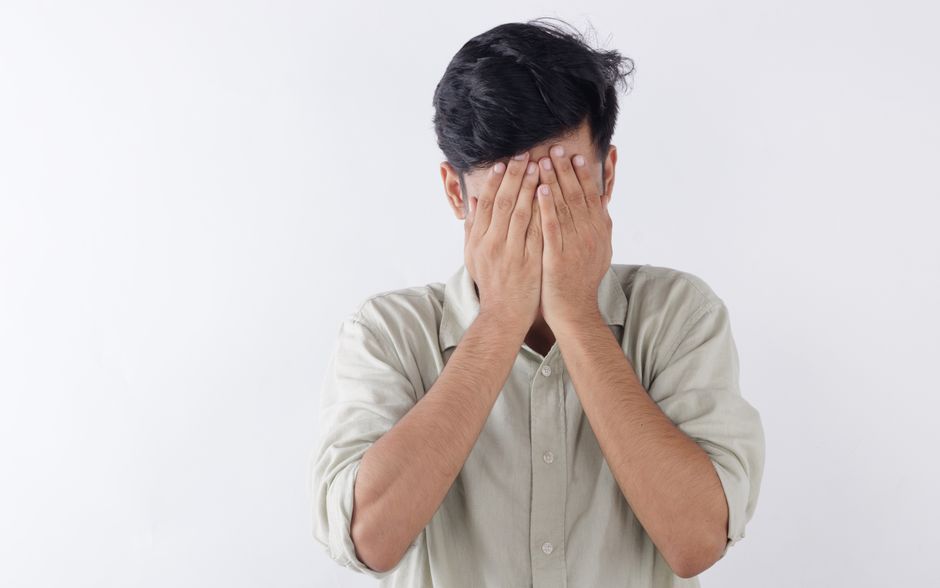
Anxiety often feels like your body is sounding an alarm that won’t turn off. Physically, it can show up as a pounding heart, shallow breathing, tight muscles, and sweaty palms. Mentally, it may feel like a constant loop of worry, racing thoughts, or a sense that something terrible is about to happen. These feelings are real and come from the body’s built-in stress response.
How Does Anxiety Feel Physical And Mental Signs?
Anxiety affects both your body and your mind at the same time. The physical signs are driven by the release of adrenaline and cortisol. Your heart beats faster. Your breathing quickens. Your muscles tense up. You might sweat even when you are not hot. Some people feel nauseous or dizzy. Others notice their hands shake or their voice trembles.
On the mental side, anxiety feels like a restless mind that will not settle. You may find it hard to concentrate. Small worries become big ones. You might feel irritable, on edge, or unable to relax. Many people describe a feeling of dread that does not go away. These mental symptoms can be just as exhausting as the physical ones.
The physical and mental signs often feed each other. A racing heart can make you worry more. Worrying more can keep your heart racing. This cycle is part of why anxiety can feel so hard to stop once it starts.
What does a panic attack feel like compared to everyday anxiety?
A panic attack is different from general anxiety. It comes on suddenly and peaks within minutes. Your heart may pound or skip beats. You may feel like you cannot breathe or are choking. Chest pain, sweating, trembling, and a sense of detachment from reality are common. Many people fear they are having a heart attack or dying.
Everyday anxiety builds more slowly and lasts longer. It is often linked to a specific worry or situation. The physical symptoms are usually milder — a tight stomach, tense shoulders, a racing mind — but they can persist for hours or days. Panic attacks are intense bursts. General anxiety is more like a low hum that does not switch off.
What does anxiety feel like in your chest?
Chest tightness is one of the most common physical signs of anxiety. It can feel like pressure, squeezing, or a heavy weight on your ribcage. Some people describe it as a knot in the center of their chest. This happens because your chest muscles tighten and your breathing becomes shallow during the stress response.
Anxiety can also cause a fluttering or palpitation sensation. Your heart may feel like it is skipping beats or racing. These sensations are usually harmless, but they can be frightening. If you have chest pain that is new, severe, or spreads to your arm or jaw, call 911. It is important to rule out a heart problem.





How does anxiety feel in your head?
Anxiety often creates a sense of mental fog or pressure. You may feel lightheaded, dizzy, or like your head is stuffed with cotton. Some people get tension headaches from clenching their jaw or hunching their shoulders. The mental part feels like your thoughts are racing or stuck on repeat.
A common experience is a feeling of unreality — like you are watching yourself from outside your body. This is called depersonalization. It can be unsettling, but it is a known response to intense stress. The brain is trying to protect itself from overwhelm.
Can anxiety cause physical pain?
Yes, anxiety can cause real physical pain. Muscle tension from chronic anxiety can lead to back pain, neck pain, and jaw pain. Stomach pain, nausea, and digestive upset are also common. Some people experience a general achiness or unexplained soreness.
The pain is not imagined. It stems from the body staying in a state of high alert. Muscles remain partially contracted for long periods. Blood flow changes. Digestion slows. Over time, this can produce genuine discomfort and pain. Treating the anxiety often helps reduce the physical pain.
How does chronic anxiety affect your body over time?
When anxiety lasts for months or years, the body pays a price. Chronic stress keeps cortisol levels elevated. This can disrupt sleep, weaken the immune system, and contribute to high blood pressure. Digestive issues like irritable bowel syndrome are more common in people with chronic anxiety.
Mental fatigue is another long-term effect. Constant worry drains your energy and makes it harder to cope with everyday demands. Relationships and work can suffer. The body and mind become worn down. That is why getting help for chronic anxiety is important — not just for how you feel today, but for your long-term health.
What does anxiety feel like for people with social anxiety?
Social anxiety has a unique flavor. In social situations, you may feel intense self-consciousness, blushing, trembling, or a dry mouth. Your mind may race with fears of being judged or embarrassed. You might avoid eye contact or speak in a quiet voice. Physically, it can feel like a knot in your stomach or a pounding heart the moment you walk into a room.
The mental signs include replaying conversations over and over, worrying about what others think, and feeling a deep need to escape. This form of anxiety is not just shyness. It is a persistent fear that interferes with daily life.
How long do anxiety symptoms usually last?
It depends on the type of anxiety. A panic attack usually peaks within 10 minutes and fades within 30 minutes to an hour. General anxiety symptoms can last for hours, days, or even longer if untreated. Some people have episodes that come and go. Others feel anxious most of the time.
If symptoms last six months or more and happen more days than not, you may have an anxiety disorder. A healthcare provider can evaluate your symptoms and help you find effective treatment. Many people improve with therapy, medication, or both.
When should you see a doctor for anxiety?
See a doctor if anxiety interferes with your daily life — work, school, relationships, or sleep. Also seek help if you avoid situations because of fear, if you have panic attacks, or if you feel hopeless or unable to cope. Physical symptoms like chest pain, shortness of breath, or dizziness should be checked to rule out other medical causes.
You do not need to suffer alone. Anxiety is a treatable condition. A primary care doctor can start the conversation. A mental health professional can provide therapy that teaches you skills to manage symptoms. Medication is also an option for many people. The earlier you reach out, the sooner you can feel better.
What are the most common physical and mental signs in one list?
Here is a quick summary of what anxiety feels like:
- Physical signs: rapid heartbeat, shortness of breath, chest tightness, sweating, shaking, nausea, dizziness, muscle tension, headache, fatigue
- Mental signs: racing thoughts, uncontrollable worry, difficulty concentrating, irritability, feeling on edge, sense of dread, restlessness, trouble sleeping
Not everyone experiences all of these. Your own combination may be unique. Recognizing your personal signs is the first step toward getting help.
Frequently Asked Questions
Can anxiety cause chest pain that feels like a heart attack?
Yes, anxiety can cause chest tightness, pressure, and palpitations that mimic a heart attack. However, if you have new or severe chest pain, especially with arm pain or shortness of breath, seek emergency care to be safe.
Why does anxiety make me feel dizzy or lightheaded?
Anxiety triggers rapid breathing, which can reduce carbon dioxide levels in your blood and cause dizziness. Muscle tension in your neck and shoulders can also contribute to a lightheaded feeling.
How can I tell if my symptoms are anxiety or something medical?
Only a doctor can rule out other causes. Common medical conditions that mimic anxiety include thyroid problems, heart rhythm issues, and low blood sugar. A medical evaluation is the best way to know for sure.
Does anxiety ever go away on its own?
Mild anxiety may fade when the stressful situation ends. Chronic anxiety often does not go away without treatment. Therapy, lifestyle changes, and sometimes medication can help reduce symptoms significantly.
