
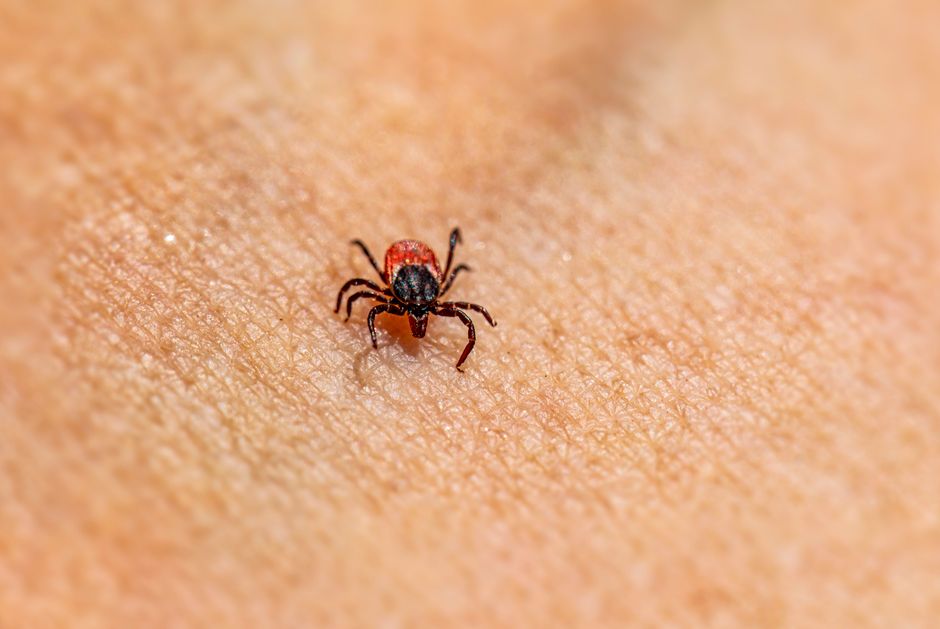
A flea bite starts the moment the insect lands on your skin. It does not sting. It bites with mouthparts built for piercing and sucking. When a flea bites you, it injects saliva into the skin before it feeds on your blood. That saliva is the main reason the bite itches, swells, and turns red. The bite mark itself is small, but your skin’s reaction to the saliva is what creates the familiar itchy bump.
How Does A Flea Bite You Saliva Skin Symptoms?
The flea uses two tube-like structures from its mouth. One tube saws into the skin. The other tube pumps saliva into the wound. This saliva contains anticoagulants that keep your blood from clotting while the flea feeds.
Your immune system sees that saliva as a foreign substance. It releases histamine and other chemicals to fight it off. Histamine causes blood vessels in the area to widen. That widening produces redness, warmth, and swelling. It also triggers nerve endings, which creates the itch.
Most people notice symptoms within minutes of the bite. The classic sign is a small red dot surrounded by a red halo. Some people develop a slightly raised bump. Others get a small blister. The reaction depends on how sensitive your immune system is to flea saliva.
What Does A Flea Bite Look Like On Human Skin?
Flea bites have a distinct appearance that sets them apart from mosquito bites or bed bug bites. They usually appear as tiny red dots, often with a darker red center. The surrounding skin may be pink or inflamed.
Flea bites are most common on the feet, ankles, and lower legs. That is because fleas jump from the ground or from pets onto the lowest part of your body. If you sit on the floor or on infested furniture, bites can appear on your thighs, buttocks, or arms.
A key clue is the pattern. Flea bites often appear in clusters or in a straight line of three. This happens when one flea bites, hops a short distance, and bites again. The bites are not random. They follow the flea’s path of movement.
Unlike bed bug bites, which often appear on exposed skin while you sleep, flea bites concentrate near the ground. Unlike mosquito bites, which are usually single and scattered, flea bites tend to group.
Why Do Flea Bites Itch So Badly?
The itch from a flea bite is intense, and there is a reason for it. Flea saliva contains proteins that your immune system reacts to strongly. The stronger your immune response, the more histamine your body releases, and the itchier the bite becomes.
Scratching makes the problem worse. It damages the skin and releases even more histamine. This creates an itch-scratch cycle that is hard to break. The more you scratch, the more it itches, and the longer the bite takes to heal.
Some people barely react to flea bites. Others develop large, swollen, painful welts. This is not a sign that one person is healthier than another. It simply reflects individual differences in immune sensitivity. Children often react more strongly than adults, partly because they have less prior exposure to flea saliva.
If you have a severe reaction, the bite can turn into a blister or a hard lump that lasts for days. This is called a hypersensitivity reaction. It is uncomfortable but not dangerous in most cases.





How Long Does A Flea Bite Last?
A typical flea bite resolves on its own within a few days. The intense itching usually fades within 48 hours. The redness and swelling may take up to a week to fully disappear.
Scratching can extend the healing time significantly. Broken skin takes longer to repair. It also opens the door to bacterial infection, which can turn a minor bite into a medical issue.
Signs of infection include increasing redness, warmth, pain, or yellow discharge from the bite. If you notice these symptoms, see a healthcare provider. Do not try to treat an infected bite at home with over-the-counter products alone.
If your bites do not improve after a week or two, consider whether fleas are still present in your home. New bites will keep appearing as long as the fleas remain. Treating the bites without treating the infestation is a losing battle.
How To Treat Flea Bites At Home
Most flea bites do not require medical treatment. The goal is to manage the itch and prevent infection while your skin heals.
Start by washing the area with mild soap and cool water. This removes dirt and bacteria from the skin surface. Pat the area dry. Do not rub, as friction can irritate the bite further.
Applying a cold compress can numb the area and reduce swelling. Use a clean cloth dampened with cold water or wrap an ice pack in a towel. Apply for 10 to 15 minutes at a time. Do not place ice directly on the skin.
Over-the-counter hydrocortisone cream can reduce inflammation and itching. Calamine lotion is another option that provides a cooling sensation. Oral antihistamines, such as diphenhydramine or cetirizine, can help if you have multiple bites or a strong reaction.
Do not scratch. Keep your fingernails short. If you scratch at night without realizing it, consider covering the bites with a loose bandage or wearing socks over the affected area while you sleep.
When To See A Doctor For Flea Bites
Most flea bites are a nuisance, not a medical emergency. But some situations require professional care.
See a doctor if you develop signs of a severe allergic reaction. Symptoms include difficulty breathing, swelling of the face or lips, dizziness, or a widespread rash that goes far beyond the bite area. This is rare but requires immediate medical attention.
See a doctor for signs of infection. If a bite becomes increasingly painful, oozes fluid, or develops red streaks spreading from the wound, do not wait. Bacterial infections from scratched bites can progress quickly if left untreated.
Flea bites can also transmit diseases in some parts of the world. Fleas are known vectors for murine typhus and, in rare cases, plague. If you develop a fever, headache, or body aches within two weeks of flea bites, mention the bites to your doctor. These diseases are uncommon in the United States but not impossible.
How To Get Rid Of Fleas In Your Home
Treating the bites is only half the solution. If fleas are biting you indoors, you must eliminate the source. Otherwise, new bites will appear every day.
Start with your pets. Fleas typically enter a home on dogs or cats. Treat your pets with a veterinarian-approved flea control product. Do not use dog products on cats, as some contain ingredients that are toxic to felines.
Wash all bedding, pet bedding, and removable furniture covers in hot water. Vacuum every floor, rug, and upholstered surface thoroughly. Pay special attention to areas where pets sleep. Vacuuming removes adult fleas, eggs, and larvae. Dispose of the vacuum bag or empty the canister outside immediately after use.
For severe infestations, you may need a professional exterminator. Flea eggs can survive for months in carpets and cracks. A single treatment is often not enough. Follow the exterminator’s instructions for preparation and follow-up treatments.
Flea prevention is easier than flea removal. Treat your pets year-round with preventive medication. Keep your yard free of tall grass and debris where wildlife and stray animals may carry fleas. Vacuum regularly, even when you see no signs of fleas.
Frequently Asked Questions
Can fleas bite humans if there are no pets in the house?
Yes, fleas can bite humans even without pets. Fleas can enter a home on clothing, shoes, or through cracks in the foundation. They can also come from wildlife such as raccoons, squirrels, or rodents living near the house.
Do flea bites spread from person to person?
No, flea bites do not spread from person to person. The bite reaction is caused by your own immune response to flea saliva. However, fleas themselves can jump from one person to another if both people are in the same infested area.
Why do flea bites on my ankles itch more at night?
Itching often feels worse at night because your body produces less cortisol, a natural anti-inflammatory hormone, during sleep. You also have fewer distractions, so you notice the itch more. This does not mean the bites are getting worse.
