
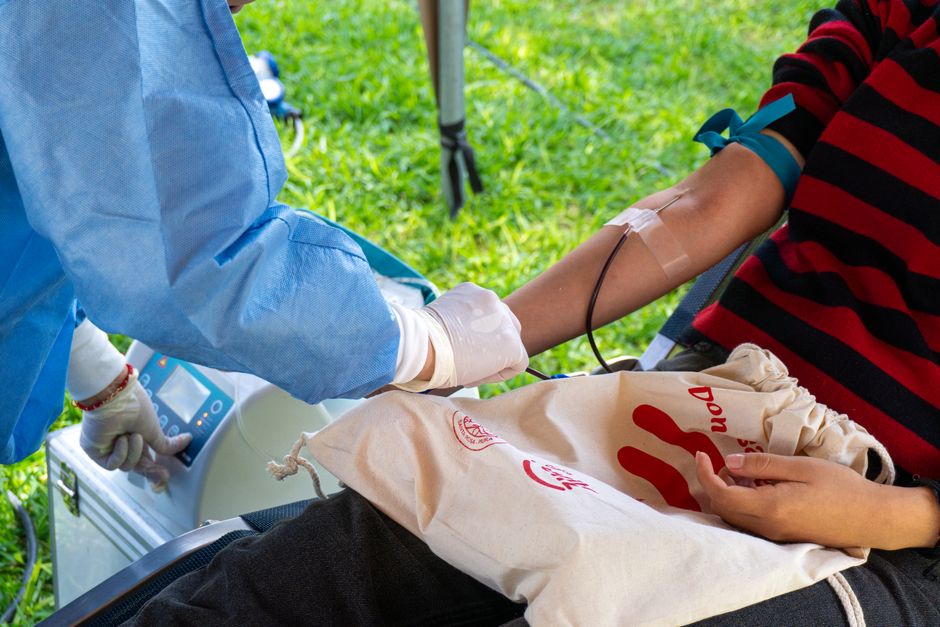
A blood transfusion works by moving donated blood, or parts of it, into a person’s bloodstream through an intravenous (IV) line. The donated red cells then carry oxygen, platelets help form clots, and plasma supplies clotting proteins and other substances the body needs. For most people the process is well understood, closely monitored, and takes a few hours from start to finish.
Knowing what actually happens during a transfusion can ease a lot of worry. It also helps you ask better questions and recognize when something needs attention. This guide explains the process step by step and offers practical tips for before, during, and after.
What Happens Inside Your Body During a Transfusion?
Donated blood enters a vein and mixes with your own blood almost immediately. Red blood cells, platelets, and plasma each do a specific job, and a transfusion may replace one part or several depending on what you need.
Red blood cells carry oxygen from your lungs to your tissues. When your red cell count is low, your organs get less oxygen than they need. That can cause fatigue, shortness of breath, and a racing heart. Replacing red cells restores the blood’s oxygen-carrying capacity.
Platelets are small cell fragments that help blood clot. Plasma is the liquid part of blood, and it contains clotting proteins and other substances. People with certain bleeding disorders or severe liver problems may need plasma rather than red cells.
Once transfused, red cells circulate for weeks and are gradually broken down and replaced, much like your own cells. Platelets have a much shorter lifespan, so their effect lasts days rather than weeks. This is why some conditions require repeated platelet transfusions.
How Does a Blood Transfusion Work Step by Step?
The process follows a set sequence, and each step exists to protect you. Blood is matched to your blood type before it ever reaches you, and your identity is checked more than once.
- Matching: Your blood type and antibodies are tested against the donor unit. This prevents a dangerous reaction.
- Consent: You or your representative agree to the transfusion after being told the benefits and risks.
- IV placement: A nurse places a small plastic tube (catheter) in a vein, usually in your arm.
- Vital signs check: Your temperature, blood pressure, pulse, and breathing are recorded before the blood is started.
- Slow start: The first part of the transfusion runs slowly while staff watch for reactions.
- Monitoring: Vital signs are checked again at set intervals during and shortly after the transfusion.
- Completion: The IV is removed or kept for other treatment, and you are watched for a short time afterward.
One unit of red blood cells typically takes about two to four hours to infuse. Platelets and plasma often run faster. The exact timing depends on your condition and the reason for the transfusion. The slow start matters because most serious reactions show up early, and staff can stop the transfusion quickly if needed.
Is a Blood Transfusion Safe?
Blood transfusion is a common, well-established medical procedure, and in most countries the blood supply is screened and tested carefully. That said, no medical procedure is risk-free, and it is honest to say that transfusion carries real, if uncommon, risks.
Donated blood is tested for major infectious diseases, including HIV, hepatitis B and C, and syphilis, among others. Modern screening has made transmission of these infections through transfusion very rare. The risk is not zero, but it is low in countries with well-regulated blood systems.
More common than infection are immune reactions. Your immune system can react to markers on donated cells or plasma proteins. Most reactions are mild and treatable, such as fever, chills, or a rash. Serious reactions are uncommon but can occur, which is why monitoring is built into the process.
Other recognized risks include fluid overload (especially in people with heart or kidney problems), allergic reactions, and a rare lung injury known as transfusion-related acute lung injury (TRALI). Some patients develop antibodies after repeated transfusions, which can make future matching more complex.
A less obvious point: the biggest risk in many cases is not the transfusion itself but receiving blood you did not need. Guidelines generally support transfusion when a patient’s condition and blood counts indicate it, and many hospitals use restrictive thresholds to avoid unnecessary transfusions. If you are unsure why a transfusion is being recommended, it is reasonable to ask.
What Are the Different Types of Blood Transfusion?
Not all transfusions are the same. Clinicians choose the component that matches the problem, which is why the term “blood transfusion” covers several distinct treatments.
- Red blood cell transfusion: Used for significant anemia or blood loss. It restores oxygen delivery.
- Platelet transfusion: Used when platelets are dangerously low or not working properly, often in cancer treatment or severe bleeding.
- Plasma transfusion: Used to replace clotting proteins in certain bleeding emergencies or severe liver disease.
- Whole blood transfusion: Used mainly in some trauma and military settings, where replacing multiple components at once is helpful.
Each component has its own storage requirements and shelf life. Red cells can be stored for several weeks, while platelets have a much shorter shelf life. This is part of why blood donation is an ongoing need rather than a one-time effort.
How Do You Prepare for a Blood Transfusion?
Most preparation happens on the medical side, but there are things you can do to make the process smoother. The most important is to be honest and specific about your health history.
Tell your care team about any past reactions to a transfusion, even mild ones. Mention all medications and supplements you take, especially blood thinners. Report any allergies, and let staff know if you have heart or kidney problems, since these affect how much fluid your body can handle safely.
You usually do not need to fast for a transfusion, and eating and drinking normally is typically fine unless your care team says otherwise. Wear loose clothing that allows easy access to your arm. Bring a list of questions if you have them, and consider having someone with you, especially if you feel unwell.
If you have a condition that affects your blood type or antibodies, such as a prior pregnancy or previous transfusions, make sure the blood bank knows. This information helps them match blood more safely.
What Should You Watch for During and After a Transfusion?
Most transfusions pass without trouble, but knowing the warning signs matters. Tell a nurse or doctor right away if you feel unwell, even if the symptom seems minor.
Watch for fever, chills, a rash or hives, itching, back or chest pain, shortness of breath, or a sudden feeling that something is wrong. These can signal a reaction. Staff are trained to recognize and respond to them, and stopping the transfusion early is often the first step.
After the transfusion, some people feel tired or have mild soreness at the IV site. Symptoms that should prompt a call include a fever, new shortness of breath, a rash, or dark urine. These are uncommon but worth checking.
You may have blood tests afterward to see how well your counts improved. The timing depends on the reason for the transfusion. Some people feel a clear difference within a day or two; others need more time, especially if the underlying cause of their anemia is still being treated.
Can You Donate Blood If You Have Had a Transfusion?
In many countries, having received a transfusion in the past does not automatically disqualify you from donating, but rules vary. Some blood services ask for a waiting period, and some have specific eligibility criteria tied to why you were transfused.
The safest approach is to check directly with your local blood collection center. Eligibility rules also change over time as screening improves. Rather than relying on older information, ask the center about current criteria for your situation.
Practical Tips for a Smoother Experience
A few simple habits can make a transfusion day easier. Drink water beforehand unless you have been told to limit fluids. Eat a normal meal so you are not running on empty.
Ask what is being transfused and why. Understanding whether you are receiving red cells, platelets, or plasma helps you follow what is happening. Keep a note of any reaction for future reference, since it can affect how your blood is matched later.
Plan for the time. A transfusion can take a few hours, and monitoring continues afterward. Arrange transport if you think you may feel tired. Most people can go about their day afterward, but it is reasonable to take it easy.
Frequently Asked Questions
How long does a blood transfusion take?
One unit of red blood cells usually takes about two to four hours, while platelets and plasma often run faster. The exact time depends on your condition and the reason for the transfusion.
Can you eat before a blood transfusion?
Yes, eating and drinking normally is typically fine before a transfusion unless your care team tells you otherwise. Ask if you have specific dietary restrictions or fluid limits.
What are the signs of a transfusion reaction?
Watch for fever, chills, a rash or hives, itching, back or chest pain, or shortness of breath. Tell a nurse or doctor right away if any of these occur, even if they seem mild.
How long does it take to feel better after a blood transfusion?
Some people notice less fatigue and better breathing within a day or two, but this varies with the cause of your anemia and your overall health. Your care team can tell you what to expect in your case.
