
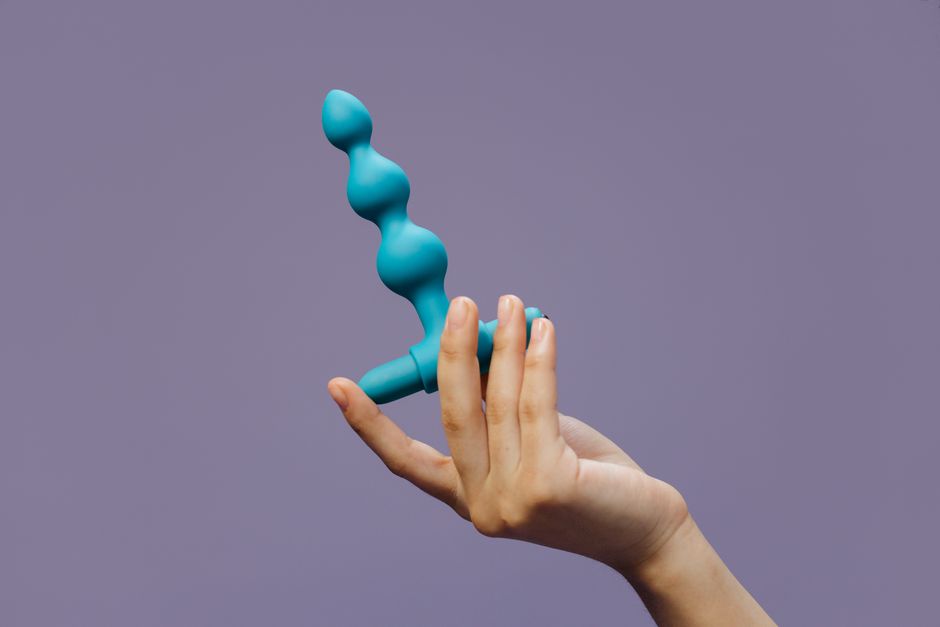
A prostate stimulator is a device designed to apply pressure or vibration to the prostate gland, most often through the wall of the rectum. Using one involves four basic steps: empty your bladder and bowels first, apply plenty of water-based lubricant, insert the device slowly and at an angle toward the front of the body, and stop immediately if you feel sharp pain. Clean the device before and after every use. This article explains the anatomy, the practical steps, and the honest limits of what the evidence actually shows.
What Is a Prostate Stimulator, Exactly?
The prostate is a walnut-sized gland that sits just below the bladder and in front of the rectum. Because of that position, it can be reached through the rectal wall. That is the entire physical basis for how these devices work.
The term “prostate stimulator” covers a wide range of products. Some are curved, wand-style devices meant for gentle external pressure. Others are vibrating massagers. Many are marketed for sexual pleasure, and some are sold as wellness tools for pelvic discomfort. These are not the same category of product, and the evidence behind them is not the same either.
It helps to separate two very different claims:
- Sexual use. Devices marketed for pleasure, often combined with vibration.
- Clinical use. A clinician applying pressure to the prostate during a digital rectal exam, which is a diagnostic procedure, not a therapy.
Those are distinct. A device sold for pleasure is not a medical treatment, and no regulatory body has approved consumer prostate stimulators to treat any disease.
How Do You Use a Prostate Stimulator Safely?
Safety here comes down to preparation, lubrication, slow movement, and knowing when to stop. The rectum does not self-lubricate, and its lining is delicate and easy to irritate or tear.
Practical steps:
- Empty your bladder and bowels beforehand. A bowel movement before use reduces discomfort and mess.
- Wash your hands and the device with soap and warm water. Rinse well.
- Use a generous amount of water-based lubricant. Reapply as needed. Silicone-based lubricant lasts longer but can damage silicone devices.
- Relax. Tensing the anal sphincter makes insertion harder and more painful.
- Insert slowly. The anal canal angles toward the front of the body, not straight up. Follow that natural curve.
- Stop at any sharp pain. Discomfort that feels like pressure is different from pain that feels sharp or tearing.
- Clean the device again afterward and wash your hands.
One point people often miss: the prostate sits a few centimeters inside, along the front wall of the rectum. You are not reaching deep. If a device feels like it needs to go far in to reach anything, you are likely pushing past the target and risking injury to the rectal wall.
Where Is the Prostate and How Do You Find It?
The prostate is located about 5 to 7 centimeters inside the rectum, on the front wall, which is the side facing the belly. A clinician locates it during a digital rectal exam by feeling for a firm, walnut-sized gland with a central groove.
If you are trying to find it yourself, the sensation is usually described as a firm, rounded bulge toward the front. Pressure on it can produce a range of sensations — sometimes pleasure, sometimes an urge to urinate, sometimes nothing notable at all. That variability is normal.
Not everyone finds prostate stimulation pleasurable. Some people find it uncomfortable or neutral. There is no rule that says it should feel good, and no technique that guarantees it will.




What Are the Risks and Who Should Avoid It?
The main risks are irritation, small tears in the rectal lining, bleeding, and infection. These are more likely with rough use, inadequate lubricant, or sharing a device without proper cleaning.
Some people should not use these devices without talking to a doctor first:
- Anyone with active hemorrhoids, an anal fissure, or rectal bleeding
- Anyone recovering from recent rectal or prostate surgery
- People with a known bleeding disorder or those taking blood-thinning medication
- Anyone with an active prostate or urinary tract infection
- People with inflammatory bowel disease affecting the rectum
If you have a prostate condition — enlarged prostate, prostatitis, or prostate cancer — ask your doctor before using any device. Some conditions make rectal pressure painful or risky, and this varies by individual.
There is also a real limitation worth stating plainly: consumer prostate stimulators are not medical devices in the regulatory sense, and no large human trials have confirmed they treat any prostate condition. Widely repeated claims that they “improve prostate health” or “reduce inflammation” are not supported by strong clinical evidence. Some clinicians mention pelvic floor techniques for certain symptoms, but that is not the same as recommending a consumer stimulator, and the evidence there is limited too.
Do Prostate Stimulators Have Real Health Benefits?
The evidence for health benefits is thin. The evidence for sexual pleasure is more consistent, but it is largely based on personal reports rather than clinical trials.
What is reasonably established:
- The prostate is sensitive to pressure, and some people find that sensation pleasurable.
- Vibration can add to that sensation for some users.
What is not established:
- That these devices improve prostate health, prevent disease, or treat prostatitis.
- That they reduce prostate cancer risk.
- That they improve urinary symptoms in a reliable, clinically proven way.
If a product page claims medical benefits, treat that claim with skepticism. “Supports prostate health” is marketing language, not a clinical finding. No study has confirmed those claims for consumer devices.
How Do You Clean and Store a Prostate Stimulator?
Clean the device before and after every use. This is not optional — the rectum contains bacteria, and introducing them into the urinary tract or leaving them on a device is a genuine infection risk.
- Wash with warm water and mild soap, or use a dedicated sex-toy cleaner.
- Check the manufacturer’s instructions for whether the device is waterproof.
- Let it dry completely before storing.
- Store in a clean, dry place, ideally in a pouch.
- Never share a device without cleaning it thoroughly between users.
If a device has cracks, rough edges, or peeling material, replace it. Damaged surfaces are harder to clean and more likely to cause irritation.
What Should You Do If Something Goes Wrong?
Stop using the device and seek medical care if you notice heavy bleeding, severe pain, fever, or signs of infection such as discharge or swelling. Light spotting can happen with minor irritation, but bleeding that does not stop or keeps recurring needs evaluation.
Do not try to push through pain. The rectal lining does not have the same pain tolerance as skin, and small injuries there can become infected. If something feels wrong, it is worth getting checked rather than waiting to see if it resolves.
Frequently Asked Questions
How do you use a prostate stimulator for the first time?
Start with a small, smooth device, use plenty of water-based lubricant, and insert slowly at an angle toward the front of the body. Stop immediately if you feel sharp pain, and keep the session short.
Is it safe to use a prostate stimulator every day?
There is no established guideline on frequency, and no clinical evidence defining a safe daily limit. Because the rectal lining is delicate, most guidance leans toward moderation and stopping at any sign of irritation or bleeding.
Can a prostate stimulator treat an enlarged prostate or prostatitis?
No clinical evidence currently confirms that consumer prostate stimulators treat an enlarged prostate, prostatitis, or any prostate disease. If you have a prostate condition, talk to your doctor before using one.
What does prostate stimulation feel like?
Sensations vary widely — some people describe pleasure, others feel pressure or an urge to urinate, and some feel nothing notable. There is no single expected response.
