
A stuffy nose feels worse than it actually is. The blocked sensation comes mostly from swollen tissue and blood vessels lining the nasal passages, not from thick mucus plugging a pipe. That distinction matters, because the methods that work best are the ones that shrink that swollen tissue and thin the mucus around it. Saline rinses, decongestant sprays used for short stretches, and simple physical measures like steam and elevation are the mainstays. Most stuffy noses clear on their own within about a week to ten days, whether or not you treat them.
Knowing which method fits your situation — and which ones can backfire — is the difference between real relief and a habit that makes congestion worse.
What Actually Causes A Stuffy Nose?
The feeling of a blocked nose is mostly about blood flow. The lining of your nasal passages is packed with tiny blood vessels, and when they widen, the tissue swells and narrows the airway. Airflow drops, and your nose feels plugged even when there is not much mucus present.
This is why a stuffy nose and a runny nose are not the same problem. A runny nose is mostly fluid and mucus. A stuffy nose is mostly swollen tissue.
Common triggers include:
- Viral infections like the common cold
- Allergies to pollen, dust, or pet dander
- Dry air, which irritates and inflames the nasal lining
- Cold temperatures
- Irritants like smoke or strong fumes
- Hormonal changes, including during pregnancy
- Medication side effects, such as from some blood pressure drugs
One thing worth understanding: the nasal cycle. Your nose naturally alternates which side is more congested every few hours. This is normal and not a sign of illness. It is also why one nostril often feels more blocked than the other at any given moment.
How Do You Unclog A Stuffy Nose Best Methods?
Saline nasal rinses and sprays are the most reliable first-line method for most people. They flush out mucus and irritants and help moisten dry tissue, and they carry very little risk when used correctly.
Saline comes in two general forms. Isotonic saline has a salt concentration similar to your body’s own fluids. Hypertonic saline is saltier and may draw fluid out of swollen tissue, which some people find more effective for congestion. Evidence comparing the two is mixed, and either is a reasonable choice.
You can buy saline sprays and rinse kits at a pharmacy, or make your own rinse solution. If you make it at home, use distilled, sterile, or previously boiled water — never straight tap water. This is not a minor caution. Tap water can contain organisms that cause serious infections when they reach the nasal passages. The CDC has documented such cases, and the warning applies to everyone, not just people with weakened immune systems.
Decongestant nasal sprays containing oxymetazoline are effective and fast-acting. The catch is rebound congestion. Used for more than three days in a row, they can cause the nasal tissue to swell when the spray wears off, leading to a cycle of dependence. Follow the label limit strictly.
Oral decongestants like pseudoephedrine can help, but they raise blood pressure and heart rate in some people. Anyone with high blood pressure, heart disease, or thyroid problems should check with a pharmacist or clinician before using them.
Do Steam, Humidifiers, And Hot Showers Help?
Steam and humidity can ease the discomfort of a stuffy nose, though the evidence that they physically unblock the airway is limited. What they reliably do is soothe irritated, dry tissue and loosen secretions so they are easier to clear.
A hot shower, a bowl of hot water with a towel over your head, or a cool-mist humidifier in the bedroom can all make breathing feel less raw. Keep humidifiers clean — a dirty one can spray mold and bacteria into the air, which defeats the purpose.
Be careful with steam. Hot water burns are a real risk, especially around children. Keep kettles and bowls of boiling water well out of reach.
Does Elevating Your Head And Drinking Fluids Help?
Sleeping with your head slightly raised can reduce the pooling of fluid and blood in the nasal passages overnight. It will not cure congestion, but many people notice they breathe a little easier. A couple of extra pillows is enough — you do not need to sleep sitting up.
Staying hydrated helps keep mucus thin and easier to move. There is no specific amount that has been proven to unclog a nose faster, but avoiding dehydration is sensible when you are sick.
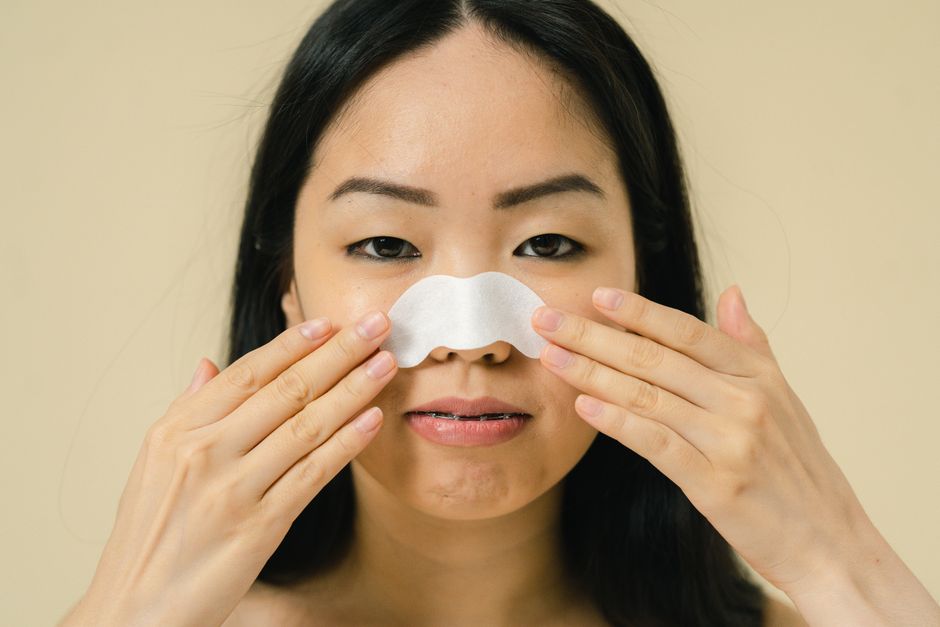
Nasal strips, which widen the nostrils from the outside, can improve airflow for some people, particularly during sleep. They do not address the swollen tissue deeper in the nose, so results vary.
What About Decongestants, Antihistamines, And Steroid Sprays?
The right medication depends on why your nose is blocked. This is where people often choose the wrong product.
| Product type | Best for | Key caution |
|---|---|---|
| Saline rinse or spray | Any cause of congestion | Use safe water only |
| Decongestant spray (oxymetazoline) | Short-term relief, colds | Limit to 3 days to avoid rebound congestion |
| Oral decongestant (pseudoephedrine) | Congestion with colds or allergies | Can raise blood pressure and heart rate |
| Antihistamines | Allergy-related congestion | Little effect on cold-related stuffiness |
| Nasal steroid sprays | Ongoing allergic or chronic congestion | Takes days to work; not for quick relief |
Antihistamines are often reached for during a cold, but they do little for cold-related stuffiness. They help when histamine is driving the problem, which is mainly allergies. Older antihistamines can also cause drowsiness.
Nasal steroid sprays are effective for allergic and chronic congestion, but they are not fast. They typically take several days of regular use before the full effect appears, so they are a poor choice if you want relief tonight.
When Should You See A Doctor?
Most stuffy noses are not dangerous. See a clinician if symptoms last more than about ten days without improving, or if they get worse after initially improving — that pattern can suggest a bacterial sinus infection.
Seek care promptly for:
- High fever or fever that returns after improving
- Severe facial pain or swelling around the eyes
- Vision changes or a swollen, red eye area
- Thick discharge from one side only, especially with pain
- Shortness of breath or wheezing
- Symptoms in an infant, or in anyone with a weakened immune system
Chronic congestion lasting weeks or months has different causes — allergies, structural issues like a deviated septum, or medication effects — and deserves a proper evaluation rather than repeated self-treatment.
What Makes A Stuffy Nose Worse?
Some common habits prolong congestion. Overusing decongestant sprays is the biggest one, because rebound congestion can keep a nose blocked for weeks after the spray stops.
Dry indoor air makes irritated tissue worse, so running heat with no humidity in winter can aggravate symptoms. Smoking and secondhand smoke directly inflame the nasal lining. And lying flat without elevating your head can make nighttime congestion feel worse.
One clarification worth stating plainly: antibiotics do not help a stuffy nose caused by a cold, because colds are viral. They are only relevant when a clinician diagnoses a bacterial infection.
Frequently Asked Questions
What is the fastest way to unclog a stuffy nose?
A saline rinse followed by a short-term decongestant spray gives many people the quickest relief. Keep the spray to three days or less to avoid rebound congestion.
Can I make my own saline rinse?
Yes, using distilled, sterile, or previously boiled and cooled water with non-iodized salt. Never use untreated tap water, because it can carry organisms that cause serious nasal infections.
Why does my stuffy nose get worse at night?
Lying flat lets blood and fluid pool in the nasal passages, and dry bedroom air adds irritation. Elevating your head slightly and using a humidifier can help.
How long should a stuffy nose last?
A cold-related stuffy nose usually clears within about a week to ten days. Congestion lasting longer, or worsening after improving, should be checked by a clinician.
