
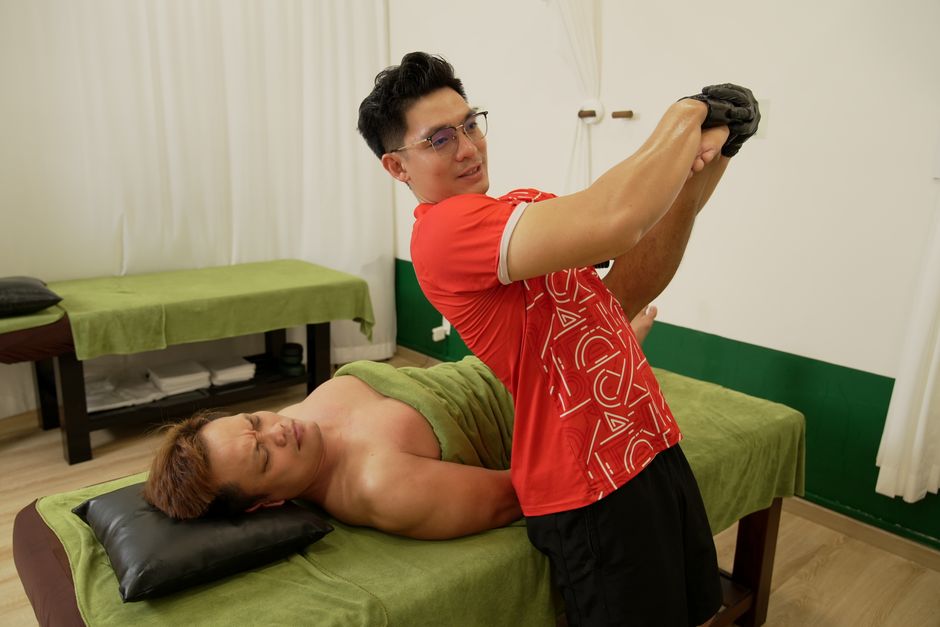
Treating a pulled muscle starts with the RICE method: Rest, Ice, Compression, and Elevation. This approach helps reduce swelling, ease pain, and protect the muscle while it heals. Over-the-counter pain relievers like ibuprofen can also help with discomfort. Most mild to moderate pulled muscles improve within one to three weeks with proper care.
What is a pulled muscle and how does it happen?
A pulled muscle, also called a muscle strain, happens when muscle fibers are stretched or torn. This usually occurs during physical activity when the muscle is overstretched or forced to contract too hard. Common causes include sudden movements, lifting something heavy, or not warming up before exercise.
Muscle strains are graded by severity. Grade 1 involves mild stretching and tiny tears. Grade 2 is a partial tear with more pain and swelling. Grade 3 is a complete tear, which often requires medical treatment. Most strains people experience at home or during sports are Grade 1 or 2.
How do you treat a pulled muscle?
Rest the muscle. Stop the activity that caused the injury. For the first 24 to 48 hours, avoid using the muscle as much as possible. This prevents further damage and gives the fibers time to start repairing.
Apply ice. Ice the area for 15 to 20 minutes every 2 to 3 hours during the first two days. Ice reduces blood flow to the injured area, which helps limit swelling and numbs the pain. Always wrap the ice pack in a cloth to protect your skin.
Use compression. Wrap the muscle with an elastic bandage, such as an ACE wrap. Compression helps keep swelling down. Make sure the wrap is snug but not too tight. If your toes or fingers tingle or turn blue, the wrap is too tight.
Elevate the injured area. If possible, raise the pulled muscle above the level of your heart. For a pulled leg muscle, propping your leg up on pillows helps drain fluid away from the injury. This can significantly reduce swelling.
Take pain relievers if needed. Nonsteroidal anti-inflammatory drugs (NSAIDs) like ibuprofen or naproxen can reduce pain and swelling. Acetaminophen (Tylenol) can help with pain but does not reduce inflammation. Follow the dosing instructions on the label. Do not take NSAIDs if you have certain medical conditions like kidney disease or a history of stomach ulcers without checking with your doctor first.
How long does a pulled muscle take to heal?
Healing time depends on the severity of the strain. Grade 1 strains usually improve within 1 to 2 weeks. Grade 2 strains can take 3 to 6 weeks. A severe Grade 3 tear may require months of recovery or even surgery, though this is rare for most everyday muscle pulls.
Pain and swelling typically peak in the first 48 hours and then gradually improve. You can start gentle movement once the sharp pain is gone. Moving too soon can delay healing or make the injury worse. Listen to your body — if it hurts, stop.


When should you see a doctor for a pulled muscle?
Most pulled muscles do not need a doctor. But see a doctor if you cannot move the muscle at all, if the pain is severe, or if you notice a lump or dent in the muscle. These signs may indicate a complete tear or other injury.
Also see a doctor if the swelling does not go down after a few days, if the area feels numb, or if you have a fever. Fever with a muscle injury could suggest an infection, which is uncommon but serious. If you are on blood thinners and you hurt a muscle, it is safer to get checked because you are at higher risk for internal bleeding.
What should you avoid when treating a pulled muscle?
Avoid heat for the first 48 hours. Heat can increase blood flow and make swelling worse. After two days, heat may help relax tight muscles, but only once the initial swelling has subsided.
Avoid stretching too soon. While it might feel right to stretch a tight muscle, stretching a recent strain can tear more fibers. Wait until the sharp pain is gone and you have full range of motion again before gentle stretching.
Avoid heavy activity. Do not go back to sports or heavy lifting until the muscle feels normal and pain-free. Returning too early increases the risk of re-injury, which often takes longer to heal than the first time.
Avoid alcohol. Alcohol can worsen swelling and slow healing. It also increases the risk of falling, which could injure the muscle further.
Can you prevent pulled muscles?
You cannot prevent every pulled muscle, but you can lower your risk. Warm up with light aerobic activity for 5 to 10 minutes before exercise. This increases blood flow to the muscles and makes them more pliable. Follow up with dynamic stretches — movements that take joints through their full range of motion — rather than holding static stretches cold.
Build strength gradually. A sudden jump in intensity or duration of exercise puts you at higher risk. Stay hydrated, as dehydrated muscles are more prone to cramping and injury. Include rest days in your routine to allow muscles to recover and repair.
Frequently Asked Questions
Is heat or ice better for a pulled muscle?
Use ice for the first 48 hours to reduce swelling and pain. After that, heat can help relax tight muscles and improve blood flow, but only if swelling is gone.
Can you still exercise with a pulled muscle?
No. Stop the activity that caused the strain. Gentle movement without pain is okay, but avoid any exercise that stresses the injured muscle until it is fully healed.
When can I start stretching a pulled muscle?
Wait until the sharp pain is gone and you can move the muscle through its normal range without pain. This usually takes a few days to a week for mild strains. Gentle stretching then helps restore flexibility.
What is the fastest way to heal a pulled muscle?
Start the RICE method immediately, take NSAIDs as directed, and rest until sharp pain subsides. Then gradually reintroduce gentle movement. There is no shortcut — proper care speeds healing, but the body still needs time to repair.
