
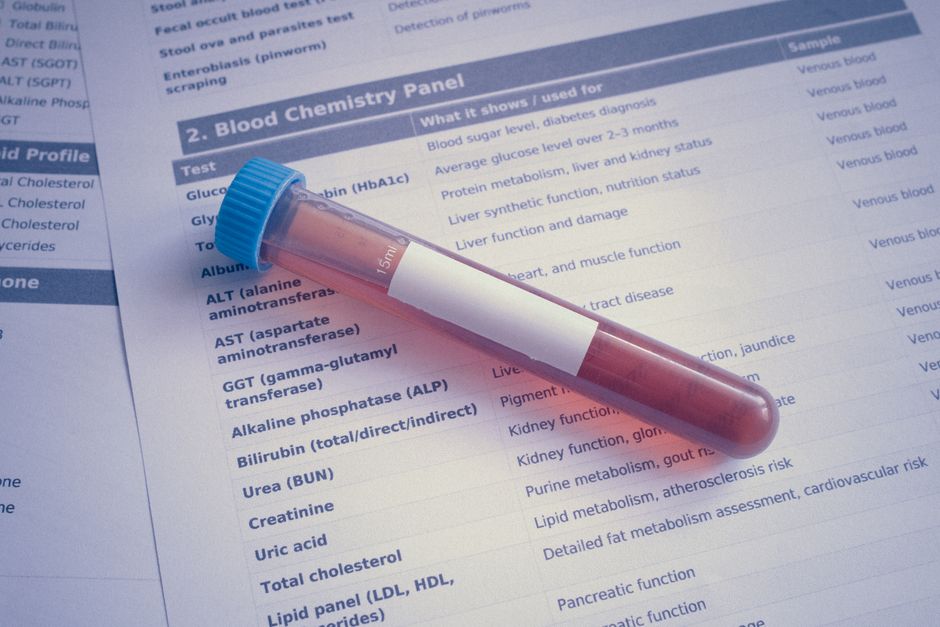
You want to know your testosterone level. You have two main paths: a blood draw at a lab or clinic, or a home test kit you use yourself. Both measure testosterone from a blood sample. The difference is who collects it, how it gets analyzed, and how much confidence you can place in the result. A venous blood draw ordered by a clinician and run in an accredited lab remains the standard for diagnosis. Home kits are convenient and increasingly accurate, but they come with real limitations you should understand before you spend money or make decisions based on a number.
How Do You Test Testosterone Blood Draw Vs Home Kit?
A traditional blood draw involves a trained phlebotomist collecting blood from a vein in your arm, usually at a lab or doctor’s office. The sample is processed in a clinical laboratory, often using a method called liquid chromatography-tandem mass spectrometry or a well-validated immunoassay. These platforms are calibrated and monitored through proficiency testing programs. Results are typically reported as total testosterone in nanograms per deciliter (ng/dL) or nanomoles per liter (nmol/L).
Home test kits generally fall into two categories. The first is a dried blood spot card: you prick your finger, place drops of blood on a card, let it dry, and mail it to a lab. The second is a saliva test, which measures free or bioavailable testosterone rather than total. A third option that has emerged more recently involves a finger-prick microsample device paired with a mail-in lab analysis. Some companies also offer at-home phlebotomy visits, which blur the line between the two approaches.
The key distinction is not just convenience. It is what gets measured, how it gets measured, and whether the result can be acted on clinically.
What Does a Venous Blood Draw Measure That a Home Kit Might Miss?
A standard venous draw can measure total testosterone, free testosterone, sex hormone-binding globulin (SHBG), luteinizing hormone (LH), follicle-stimulating hormone (FSH), and other markers in one session. That matters because testosterone does not act in isolation. SHBG binds testosterone and affects how much is free and biologically available. LH and FSH tell you whether the problem originates in the testicles or the pituitary gland.
Most home kits measure only total testosterone. A few offer free testosterone or SHBG as add-ons, but the panel is usually narrower. If your total testosterone is borderline, your clinician may need SHBG and free testosterone to interpret it properly. A single total number without context can be misleading.
There is also the question of timing. Testosterone follows a diurnal rhythm. Levels are generally highest in the morning and decline through the day. Clinical guidelines typically recommend drawing testosterone between 7 and 10 a.m. for accurate comparison to reference ranges. A home kit that you use at 4 p.m. may give you a lower number that does not reflect your peak. Some kits instruct morning collection, but adherence is on you.
How Accurate Are Home Testosterone Kits Compared to Lab Draws?
Accuracy depends on the specific kit and the lab it uses. Dried blood spot methods have improved, and some validation studies show good correlation with venous results when the kit is used correctly. But correlation is not the same as clinical equivalence. A method can correlate well across a population yet still produce individual results that differ enough to change a treatment decision.
Saliva tests are a different story. Saliva measures free or bioavailable testosterone, not total. Reference ranges for saliva are not standardized across labs, and factors like oral contamination, blood leakage from gum irritation, and collection timing can affect results. Some research suggests saliva can be useful for research purposes, but it is not widely accepted as a diagnostic standard for clinical decision-making.
Finger-prick dried blood spots have their own variables. The amount of blood, how it saturates the card, how long it takes to dry, and temperature during shipping can all influence the measurement. A venous draw removes most of those variables because a trained professional collects a standardized tube that goes directly into a controlled chain of custody.
No large head-to-head trials have established that any specific home kit is equivalent to a venous draw for diagnosing testosterone deficiency. Some studies show reasonable agreement; others show meaningful discrepancies. The evidence is mixed, and it varies by kit.



What Are the Practical Differences in Cost, Convenience, and Follow-Up?
Cost varies widely. A venous draw ordered through insurance may be covered if you have symptoms and a diagnosis code. Without insurance, total testosterone alone might run $30 to $80 at a direct-access lab, with additional charges for SHBG, LH, FSH, or free testosterone. Home kits typically cost $50 to $150 out of pocket, and some subscription models charge more. Insurance rarely covers home kits.
Convenience favors home kits. You avoid scheduling, travel, and a needle. But if your result is abnormal or borderline, you will likely need a follow-up venous draw anyway. That means paying twice and waiting twice.
Follow-up is where the gap widens. A clinician who orders a venous draw can interpret the result in context: your symptoms, medications, sleep, weight, and other lab values. A home kit gives you a number and often a PDF explaining what the reference range means. That can be useful for tracking, but it is not a diagnosis.
| Feature | Venous Blood Draw | Home Kit |
|---|---|---|
| Who collects | Trained phlebotomist | You |
| Sample type | Venous blood | Finger-prick dried blood or saliva |
| Typical markers | Total T, free T, SHBG, LH, FSH | Total T only (some offer add-ons) |
| Timing control | Standardized morning draw | Depends on your adherence |
| Lab accreditation | CLIA-certified, often CAP-accredited | Varies; check the lab |
| Insurance coverage | Often covered with diagnosis | Rarely covered |
| Clinical follow-up | Integrated with clinician | You seek follow-up |
When Should You Choose One Over the Other?
If you have symptoms that suggest low testosterone — persistent fatigue, low libido, erectile changes, loss of muscle mass, mood changes — a venous draw ordered by a clinician is the appropriate first step. Symptoms alone do not diagnose low testosterone, and a single low number does not either. Clinical guidelines generally require two separate morning total testosterone measurements below the reference range, along with consistent symptoms, before considering a diagnosis of testosterone deficiency.
Home kits can be reasonable for tracking a known trend if you already have a diagnosed condition and your clinician agrees. They can also be a low-barrier first step if you are curious but not ready to see a doctor. Just understand that a home result is a screening signal, not a diagnosis.
If a home kit gives you a low or borderline result, do not start any supplement or medication based on it. Some products marketed for “testosterone support” contain ingredients that can suppress natural production or interact with other medications. No home kit can tell you whether a treatment is appropriate.
What Should You Know About Reference Ranges and Variability?
Reference ranges for total testosterone vary by lab. A common range for adult men is roughly 300 to 1,000 ng/dL, but that is not universal. Some labs use different cutoffs, and the range shifts with age. A number that is “low” at one lab may be “normal” at another.
Testosterone also fluctuates day to day and hour to hour. Illness, poor sleep, intense exercise, alcohol, opioids, and some medications can lower it temporarily. One low result does not mean you have a chronic deficiency. This is why repeat testing matters and why a clinician interprets the whole picture.
Home kits often use the same reference ranges as the lab they partner with, but they may not flag borderline results the same way. A result of 310 ng/dL might be labeled “normal” on a home report but prompt further investigation in a clinical setting if you have symptoms.
Are There Any Risks or Downsides to Home Testing?
The main risk is not physical. It is misinterpretation. A home kit can give you a number without context, leading to unnecessary worry or false reassurance. It can also delay diagnosis if you use it instead of seeing a clinician when you have clear symptoms.
There is also the issue of unregulated products. The home testing market is not uniformly regulated. Some kits use labs that are CLIA-certified; others may not be. Before buying, check whether the kit states which lab performs the analysis and whether that lab participates in proficiency testing.
For anyone considering testosterone therapy, the stakes are higher. Testosterone replacement can affect red blood cell production, blood pressure, and fertility. It requires monitoring with blood tests that a home kit cannot provide. No clinical guidelines support starting or adjusting testosterone therapy based on a home kit result alone.
Frequently Asked Questions
Can a home testosterone kit diagnose low testosterone?
No. A home kit can screen for a low or borderline level, but diagnosis requires at least two morning venous blood draws and a clinical evaluation of symptoms. No major clinical guideline accepts a home kit result as diagnostic on its own.
Is a finger-prick testosterone test as accurate as a blood draw?
Some studies show good correlation between dried blood spot and venous results, but the evidence is mixed and varies by kit. Accuracy depends on proper collection, shipping conditions, and the lab’s validation. A venous draw remains the standard for clinical decisions.
What time of day should I test my testosterone?
Morning, ideally between 7 and 10 a.m., because testosterone levels are highest then and reference ranges are based on morning values. Afternoon or evening testing can give a falsely low result.
Do I need to fast for a testosterone blood test?
Fasting is not required for testosterone alone, but some clinicians ask for it if cholesterol or glucose is being measured at the same time. Follow the instructions from your ordering provider or the lab.
