
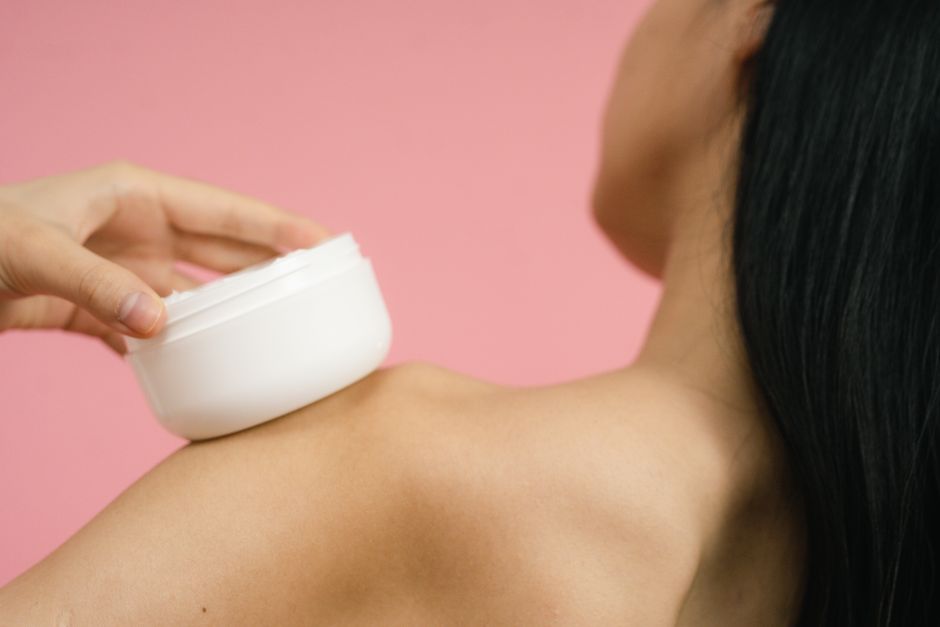
Taking care of your skin comes down to a few unglamorous basics done consistently: protect it from the sun, clean it gently, keep it moisturized, and avoid smoking. Most of what actually helps has been studied for decades. Most of what fills beauty aisles has not. Knowing the difference is the single most useful skill you can develop for your skin.
Your skin is the body’s largest organ. It renews itself continuously, holds in water, and blocks a long list of environmental threats. It does not need a ten-step routine. It needs the fundamentals, and it needs them most days.
What Does Your Skin Actually Need?
Skin needs protection from ultraviolet light, gentle cleansing, moisture, and time to repair. That is the foundation, and everything else is secondary.
The outer layer of skin, the stratum corneum, works as a barrier. It is made of flattened skin cells packed with keratin and held together by lipids, including ceramides. This barrier keeps water in and irritants out. When it is intact, skin looks and feels healthy. When it is stripped or damaged, skin becomes dry, tight, and reactive. Many skin problems people try to fix with more products are actually caused by too many products.
Sun protection matters more than any other single habit. Ultraviolet radiation is the main driver of skin aging and a well-established cause of skin cancer. This is one of the most consistently supported findings in dermatology.
Smoking damages skin too. It narrows blood vessels and reduces blood flow to the skin, and it is associated with earlier wrinkling. Quitting is a skin intervention, not just a lung one.
How Should You Wash Your Face?
Wash your face once or twice a day with lukewarm water and a mild, fragrance-free cleanser. More than that is usually unnecessary and can backfire.
Harsh soaps and frequent washing strip the lipids that hold the skin barrier together. The result is dryness and irritation, and sometimes a rebound in oil production. People with oily skin often wash more, which can worsen the problem.
Water temperature matters. Hot water removes oils more aggressively than lukewarm water. Pat skin dry rather than rubbing.
Moisturize right after washing, while skin is still slightly damp. This helps trap water in the outer layer. That timing point is simple and genuinely useful, and it is easy to miss.
Does Sunscreen Really Matter That Much?
Yes. Sunscreen is the most evidence-supported skincare product there is. Regular use reduces sunburn, limits photoaging, and lowers skin cancer risk.
Ultraviolet radiation damages DNA in skin cells. The body repairs much of this damage, but not all of it, and damage accumulates over decades. That is why sun exposure in your 20s shows up on your face in your 50s.
Two types of UV matter. UVB causes sunburn. UVA penetrates deeper and drives aging and skin cancer risk. A broad-spectrum sunscreen covers both. SPF ratings refer mainly to UVB protection, so check the label for broad-spectrum coverage as well.
Most people apply far less sunscreen than the amount used in testing, which means real-world protection is lower than the number on the bottle. Applying generously and reapplying after swimming, heavy sweating, or long sun exposure matters more than chasing a higher SPF.
Daily use counts. Sun exposure adds up on cloudy days, in winter, and through car windows. The general clinical direction is to make sunscreen a daily habit rather than a beach-day product.
Which Skincare Ingredients Have Real Evidence?
A short list of ingredients has solid research behind it. Most others do not.
- Retinoids (tretinoin, and over-the-counter retinol): among the best-studied ingredients for fine lines and sun-related changes. Tretinoin is a prescription product with decades of clinical use. Retinol is converted to tretinoin in the skin and is generally gentler.
- Niacinamide: some studies support benefits for skin barrier function and redness. Evidence is reasonable but less extensive than for retinoids.
- Vitamin C: studied as an antioxidant and for uneven skin tone. Formulations vary widely, and stability is a real issue, so results are inconsistent.
- Hyaluronic acid and glycerin: humectants that draw water into the outer skin layer. Good evidence for temporary hydration.
- Ceramides: lipids that help restore barrier function. Reasonable evidence, especially for dry or irritated skin.
What about collagen creams? Collagen molecules are too large to pass through intact skin in meaningful amounts. Eating collagen or applying it topically may have effects that are still being studied, but no large human trials have confirmed meaningful wrinkle reduction. The marketing is far ahead of the evidence.
Stem cell creams, “detoxifying” products, and most “clinically proven” claims fall into the same category. No rigorous study confirms most of them. The phrase “clinically proven” has no standard legal definition in cosmetics marketing.
What About Anti-Aging Treatments Beyond Creams?
For sun damage, wrinkles, and uneven pigment, some in-office treatments have real evidence. Results vary, and none of them replace sun protection.
Prescription tretinoin is the best-studied topical treatment for photoaging. Chemical peels, laser resurfacing, microneedling, and injectable fillers or botulinum toxin are used clinically and have research behind them for specific concerns. Outcomes depend on the treatment, the practitioner, and the person’s skin. These are medical procedures with real risks, including scarring and pigment changes, and they should be done by qualified clinicians.
No procedure reverses skin aging. They change its appearance, temporarily or partially.
One clarification worth making: “anti-aging” is a marketing frame, not a medical category. What these treatments do is reduce the visible signs of sun damage and structural change. That distinction matters when you are deciding what to spend money on.
How Do You Take Care of Your Skin as You Get Older?
Skin thins, loses collagen and elastin, and produces less oil with age. These changes are normal and begin earlier than most people expect, with measurable collagen decline starting in the 20s and accelerating after menopause.
Practical adjustments follow from that:
- Keep using sunscreen daily. Sun damage compounds the natural aging process.
- Switch to a richer moisturizer if skin feels drier.
- Consider a retinoid if you have not tried one. Start with a low frequency and build up, because irritation is common early on.
- Be gentler with cleansing as oil production drops.
Dryness, itching, and new rashes in older adults can also reflect medical conditions, including thyroid problems and some medications. Skin that changes suddenly deserves a medical look rather than a new moisturizer.
When Should You See a Doctor About Your Skin?
See a clinician for a new or changing mole, a sore that does not heal, persistent redness or scaling, or skin problems that interfere with daily life.
The warning signs for skin cancer are well established. Watch for a mole that is asymmetric, has an irregular border, contains multiple colors, is larger than a pencil eraser (about 6 millimeters), or is changing in size, shape, or color. These are the ABCDE criteria used in clinical practice. Not every skin cancer fits them, so any new or changing spot is worth having checked.
Severe or persistent acne, eczema, psoriasis, and rosacea are medical conditions with effective treatments. They are not failures of hygiene, and they usually do not resolve with better cleansing.
Skin cancer is among the most common cancers in the United States, and early detection matters. If you have fair skin, a history of sunburns, many moles, or a family history of skin cancer, regular skin checks with a clinician are reasonable.
What Skincare Habits Are Worth Skipping?
Skip anything that damages the skin barrier or costs money without evidence. That includes scrubs with rough particles, daily use of strong acids, and routines with many active ingredients layered at once.
More products mean more chances for irritation and allergic reactions. Fragrance is a common cause of contact dermatitis. “Natural” does not mean safer; essential oils and plant extracts cause reactions too.
Expensive is not the same as effective. The ingredients with the best evidence are inexpensive and widely available. A plain moisturizer, a gentle cleanser, and a broad-spectrum sunscreen cover most of what skin needs.
Consistency beats intensity. Skin responds to steady habits over months, not dramatic routines over days.
Frequently Asked Questions
How often should you wash your face?
Once or twice a day with a mild cleanser and lukewarm water is enough for most people. Washing more often can strip the skin barrier and cause irritation.
Do you really need sunscreen every day?
Yes, daily broad-spectrum sunscreen is the most evidence-supported skincare habit. UV exposure adds up on cloudy days and through windows, and damage accumulates over decades.
What is the best skincare routine for beginners?
Keep it to three steps: a gentle cleanser, a moisturizer, and a broad-spectrum sunscreen in the morning. Add one active ingredient at a time only after the basics feel comfortable.
Can collagen creams reduce wrinkles?
No large human trials have confirmed that topical collagen reduces wrinkles. Collagen molecules are generally too large to penetrate intact skin in meaningful amounts.
