
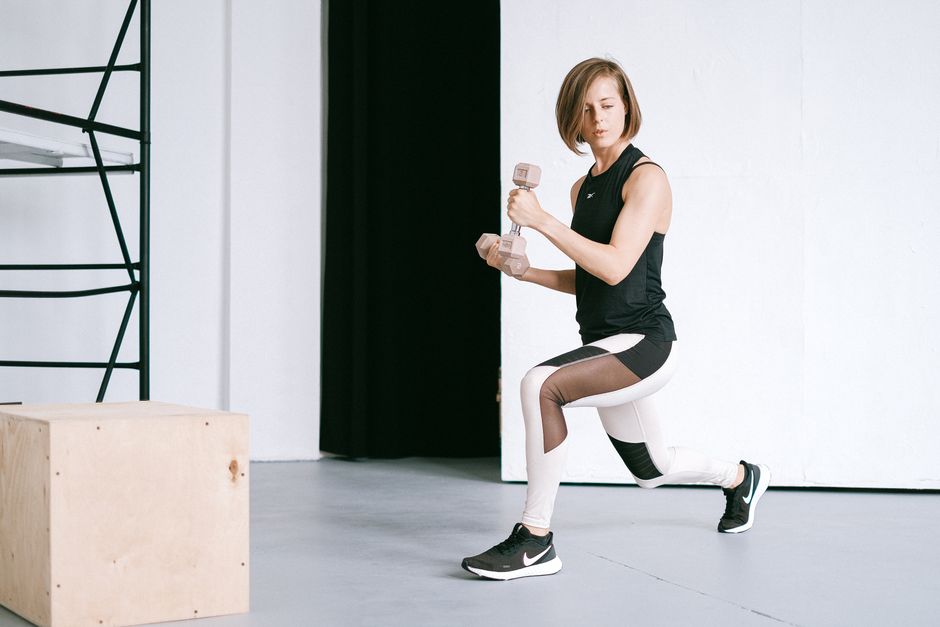
Strong knees come from strong muscles above and below them. The quadriceps on the front of your thigh, the hamstrings on the back, and the glutes at your hip do most of the work of controlling your knee joint. Exercises that build those muscles — and that you can do without sharp pain — are the ones that work. You do not need special equipment or a gym to start.
Here is the key idea most people miss: your knee is a joint, not a muscle. It cannot be “strengthened” directly. What you strengthen are the muscles that move and protect it. That is why a program built only on knee bends, without hip and thigh work, tends to fall short.
How Do You Strengthen Your Knees Exercises That Work?
Exercises that work are the ones that load the muscles around the knee in a controlled way, then progress as those muscles get stronger. Research consistently shows that targeted strength training reduces knee pain and improves function in people with knee osteoarthritis. The same principle applies to healthy knees: build the muscles, and the joint tolerates more.
Three qualities make an exercise effective for the knee:
- It targets the right muscles. Quadriceps, hamstrings, glutes, and calves all play a role in knee stability.
- It can be progressed. Once an exercise feels easy, you add resistance, reps, or a harder version. Muscles adapt to challenge, not comfort.
- It does not cause sharp pain. Mild muscle soreness afterward is normal. Sharp or stabbing pain during the movement is a signal to stop.
Strength gains take time. Most people notice easier daily movement within a few weeks, but measurable muscle strength typically takes longer — often six to eight weeks of consistent training. That timeline is a general pattern, not a promise. Bodies vary.
Which Exercises Should You Start With?
Start with bodyweight movements that keep the knee in a comfortable range. These build a base before you add resistance.
Quad sets
Sit with your leg straight. Tighten the muscle on the front of your thigh by pressing the back of your knee down toward the floor. Hold for a few seconds, then relax. This is gentle, needs no equipment, and is often used early in knee rehabilitation because it works the quadriceps without bending the joint.
Straight-leg raises
Lie on your back with one leg bent and the other straight. Tighten the straight leg’s thigh muscle and lift it to about the height of the bent knee. Lower slowly. This trains the quadriceps while keeping the knee still.
Sit-to-stand
Stand up from a chair and sit back down under control. Use a higher chair or armrests if needed. This movement mimics daily life and works the thighs and glutes together. It is one of the most practical knee exercises because it directly trains what you do all day.
Wall sits
Slide your back down a wall into a partial squat and hold. Keep the bend comfortable — a shallow hold is fine at first. Wall sits build quadriceps endurance, which matters for stair climbing and standing up.
How Do You Progress Knee Exercises Safely?
Progress means making the exercise harder over time, not doing it through pain. Muscles get stronger when they are challenged slightly beyond what they are used to. That principle is well established in exercise science.
Simple ways to progress:
- Add repetitions before adding resistance.
- Slow the movement down, especially the lowering phase.
- Add light resistance, such as an ankle weight or resistance band.
- Move to a harder version — for example, from a chair stand to a deeper squat.
Some clinicians recommend the “two-hour rule”: if pain from exercise is still worse two hours afterward, the session was too much. That rule is widely used in rehabilitation settings but is based on clinical practice rather than large trials. It is a reasonable guide, not a strict law.
Expect some muscle soreness in the first week or two. That is normal adaptation. Pain that is sharp, that swells the joint, or that lingers for days is different and worth discussing with a clinician.



Why Do Hip and Glute Exercises Matter for Knee Strength?
The hip muscles control how your thigh rotates and how your knee tracks during movement. Weak glutes are associated with knee valgus — the knee drifting inward during squats, stairs, or landing. That inward collapse puts uneven stress on the joint.
Exercises that target the glutes include:
- Bridges. Lie on your back, knees bent, and lift your hips. Squeeze the glutes at the top.
- Clamshells. Lie on your side with knees bent and open the top knee against a light band.
- Side-lying leg raises. Lift the top leg while keeping it straight.
- Step-ups. Step onto a low, stable platform, leading with the working leg.
Building hip strength does not replace quadriceps work. The two complement each other. A balanced program trains both.
What About Cardio and Low-Impact Movement?
Strength training is the core of knee protection, but regular low-impact movement supports the joint too. Walking, cycling, and swimming keep the muscles active without the pounding of running or jumping. For people with knee osteoarthritis, guidelines commonly recommend both strengthening and aerobic exercise.
One point worth clarifying: rest does not protect a painful knee the way many people assume. Prolonged inactivity weakens the muscles around the joint, which can make the knee less supported over time. Brief rest during a flare-up is reasonable. Long-term avoidance usually is not helpful.
When Should You See a Doctor Before Starting?
Talk to a clinician before starting a knee program if you have:
- Sudden swelling, locking, or the knee giving way
- Pain after a fall or injury
- Redness, warmth, or fever around the joint
- Pain that wakes you at night
- A known ligament or meniscus injury
These signs can point to problems that need assessment before exercise. They do not mean you cannot strengthen your knees — only that a professional should guide the start.
For most people with mild, activity-related knee discomfort and no red flags, a gradual strength program is a reasonable first step. If pain is not improving after several weeks of consistent work, a physical therapist can assess your movement and adjust the plan.
How Often Should You Train Your Knees?
Two to three sessions per week is a common starting point for strength training. Muscles need recovery between sessions, and the general guidance in exercise science is to allow at least a day between hard workouts of the same muscle group.
Consistency matters more than intensity. Three short sessions a week done reliably will build more strength than one long session done occasionally. Start with what you can repeat, then add difficulty.
If you are new to exercise, begin with a few exercises and low effort. Increase gradually over weeks. The goal is a routine you keep, not a routine that leaves you too sore to continue.
Frequently Asked Questions
Can you actually strengthen your knees?
You strengthen the muscles around the knee, not the joint itself. Strong quadriceps, hamstrings, and glutes improve knee stability and function.
What is the single best exercise for knee strength?
There is no single best exercise. Sit-to-stand and wall sits are practical because they train the quadriceps and glutes in movements you use daily.
Should you exercise a painful knee?
Mild discomfort during gentle exercise is often acceptable, but sharp pain, swelling, or the knee giving way is a reason to stop and get assessed. A clinician can help you find a safe starting point.
How long until knee exercises work?
Many people notice easier daily movement within a few weeks, while measurable strength gains often take six to eight weeks of consistent training. Individual results vary.
