
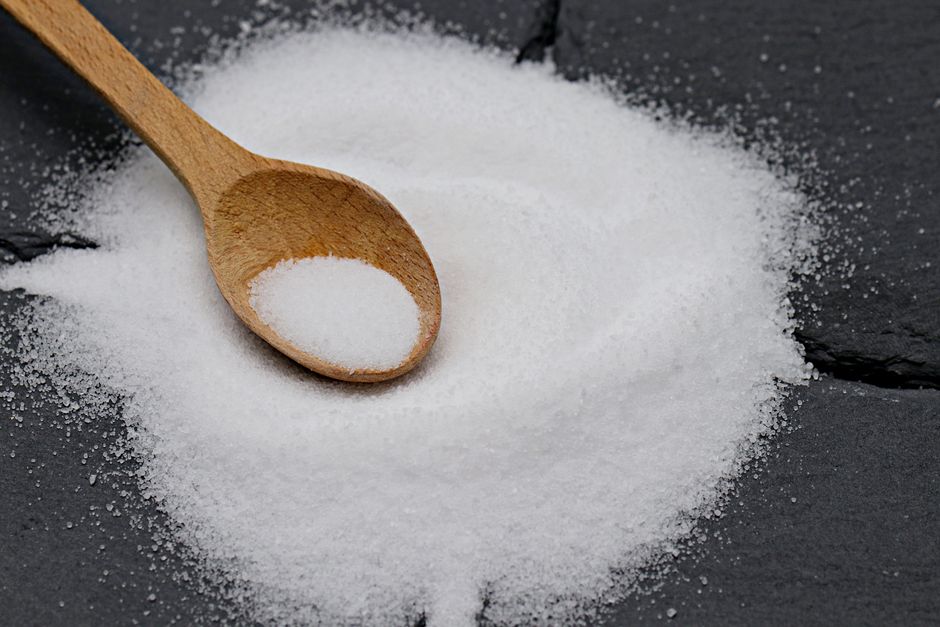
Most of the sodium in the American diet does not come from the salt shaker. It comes from packaged foods, restaurant meals, and processed meats. That is why cutting back works best as a step-by-step process aimed at where sodium actually hides, not just at the table. The steps below walk through how to find your biggest sources, swap or cook your way around them, and retrain your taste buds over a few weeks.
How Much Sodium Should You Have Per Day?
The 2020–2025 Dietary Guidelines for Americans recommend limiting sodium to less than 2,300 mg per day. That is about one teaspoon of table salt. The American Heart Association sets an ideal limit closer to 1,500 mg per day for most adults, especially those with high blood pressure.
Here is the part that surprises people. Average sodium intake in the US runs around 3,400 mg per day. So most adults are taking in roughly 1,000 mg more than the upper guideline every single day.
Sodium is not optional in the diet. The body needs it for nerve signaling, muscle contraction, and fluid balance. The problem is quantity, not presence. Excess sodium pulls water into the bloodstream, raising blood pressure in salt-sensitive people. Over years, that pressure damages blood vessels, the heart, kidneys, and brain.
Salt sensitivity varies from person to person. Some people see blood pressure rise sharply with sodium. Others barely respond. Age, genetics, and existing conditions like kidney disease all play a role. Because you cannot easily know which group you fall into, the guidelines apply to everyone.
Where Does Most Dietary Sodium Actually Come From?
Roughly 70 percent of sodium in the typical US diet comes from processed and prepared foods, not from salt added during cooking or at the table. This is the single most useful fact for anyone trying to cut back.
The biggest contributors, according to dietary survey data, include:
- Deli meats and cured meats like bacon, ham, and sausage
- Pizza and restaurant meals
- Canned soups and broths
- Breads and rolls (not because they are salty, but because people eat so much of them)
- Cheese
- Savory snacks like chips and crackers
- Frozen prepared meals
- Condiments like soy sauce, salad dressing, and ketchup
Bread is a good example of a food that does not taste salty but still adds up. A single slice may have 100 to 200 mg. Eat four slices across the day and you have quietly consumed several hundred milligrams before any main dish.
This is why “just stop salting your food” rarely solves the problem. Cooking at home and reading labels do far more.
How Do You Read a Nutrition Label for Sodium?
Start with the Percent Daily Value (%DV) on the Nutrition Facts panel. It is based on 2,300 mg per day, the upper guideline. That makes the math simple.
Use these cutoffs:
- 5% DV or less per serving — low sodium
- 20% DV or more per serving — high sodium
Check the serving size first. A can of soup may list “half a can” as one serving, which means the whole can delivers double the sodium on the label. This is one of the most common traps.
Watch for sodium under other names. Ingredients like monosodium glutamate, sodium bicarbonate (baking soda), sodium nitrite, and disodium phosphate all contribute. They appear in the ingredient list, not always in the headline number.
Labels also carry regulated claims. “Sodium-free” means less than 5 mg per serving. “Very low sodium” means 35 mg or less. “Low sodium” means 140 mg or less. “Reduced sodium” means at least 25 percent less than the regular version — which sounds good until you realize the original may have been very high to begin with.



What Are the First Steps to Cut Sodium at Home?
Change what you buy before you change what you cook. The grocery cart drives most of your intake, and small swaps compound quickly.
Start here:
- Buy fresh or frozen vegetables without added sauce. Frozen plain vegetables usually have less sodium than canned.
- If you use canned beans or vegetables, rinse them in a colander. Rinsing removes a meaningful share of surface sodium, though not all of it.
- Choose “no salt added” canned goods when available.
- Swap deli meat for fresh-roasted chicken or turkey you slice yourself.
- Pick low-sodium or unsalted broths and stocks.
- Buy plain rice, pasta, and grains instead of boxed seasoned mixes.
At home, replace some salt with flavor that does not raise sodium. Lemon juice, vinegar, garlic, onion, black pepper, cumin, smoked paprika, and fresh herbs all add taste without adding sodium. A squeeze of citrus at the end of cooking can make a low-salt dish taste brighter.
One practical trick: salt at the end rather than during cooking. A little salt on the surface of food hits your tongue directly and registers as saltier than the same amount stirred through a whole pot.
How Do You Cut Sodium When Eating Out?
Restaurant food is a major sodium source because kitchens use salt for flavor, preservation, and speed. You cannot control the kitchen, but you can control the order.
Ask for sauces and dressings on the side. Request that a dish be prepared without added salt when possible. Choose grilled or roasted dishes over fried or smothered ones. Skip the bread basket if it comes with salted butter.
Fast food is especially dense in sodium. A single sandwich, fries, and a drink can exceed 1,500 mg in one meal. That is not a reason to never eat it — it is a reason to plan the rest of the day around it.
Some chain restaurants publish nutrition information online or in-store. Checking before you go takes two minutes and removes the guesswork.
How Long Does It Take to Adjust to Less Salt?
Taste preferences are learned, and they can be relearned. Most people notice that lower-sodium food tastes bland for the first week or two, then the perception shifts.
Research on salt taste adaptation suggests that after several weeks of reduced intake, many people find previously normal levels of salt to taste too salty. The timeline varies. Some notice a change within a couple of weeks; for others it takes longer.
The practical point is to expect an adjustment period and not quit during it. Cut back gradually rather than all at once. Reducing sodium by small amounts over time is easier to sustain than a sudden drop, and sustainability is what actually lowers long-term intake.
Does the Type of Salt Matter?
Sea salt, Himalayan pink salt, and kosher salt are not meaningfully lower in sodium than regular table salt. By weight, they are all close to the same sodium content. The differences are in crystal size, trace minerals, and taste.
Because larger crystals take up more space, a teaspoon of coarse kosher salt may contain less sodium than a teaspoon of fine table salt. That is a measurement quirk, not a health advantage. If you measure by weight, the sodium is essentially the same.
The exception is salt substitutes, which replace part of the sodium with potassium chloride. These can lower sodium intake, and some studies suggest they may help lower blood pressure. But they are not safe for everyone. People with kidney disease or those taking certain blood pressure medications, including ACE inhibitors and potassium-sparing diuretics, should talk to a clinician before using them. Too much potassium can be dangerous in those groups.
What About Potassium and the DASH Eating Pattern?
Sodium and potassium work together to regulate blood pressure. Potassium helps the body excrete sodium and relax blood vessel walls. Many Americans get too little of it.
The DASH eating pattern — Dietary Approaches to Stop Hypertension — was designed around this balance. It emphasizes vegetables, fruits, whole grains, lean proteins, and low-fat dairy, and it limits sodium, red meat, sweets, and added sugars. Research consistently shows DASH lowers blood pressure, and the effect is stronger when sodium is also reduced.
Potassium-rich foods include beans, potatoes, bananas, spinach, and yogurt. People with kidney disease may need to limit potassium, so this is one area where a clinician’s input matters.
Do You Have to Give Up Salt Entirely?
No. The goal is reduction, not elimination. Sodium is an essential nutrient, and the body needs some to function.
What matters is the total across the day and across weeks, not any single meal. A high-sodium dinner does not undo a week of lower intake. Consistency is what moves blood pressure and long-term risk.
For most people, the realistic target is to get closer to the guidelines over time, not to hit a perfect number every day. Progress in the right direction is the point.
Frequently Asked Questions
What is the fastest way to reduce sodium intake?
Cut back on processed and restaurant foods, which supply about 70 percent of dietary sodium. Reading labels and cooking more meals at home usually produces the biggest drop fastest.
Is 2,300 mg of sodium a day too much?
No, 2,300 mg is the upper limit recommended by the Dietary Guidelines for Americans. The American Heart Association suggests an ideal limit closer to 1,500 mg for most adults, especially those with high blood pressure.
Does drinking more water flush out sodium?
Drinking water helps the kidneys excrete sodium, but it does not cancel out a high-sodium diet. Reducing intake matters far more than increasing fluids.
Is sea salt healthier than table salt?
No. Sea salt and table salt contain nearly the same amount of sodium by weight. Trace minerals in sea salt are present in amounts too small to affect health.
