
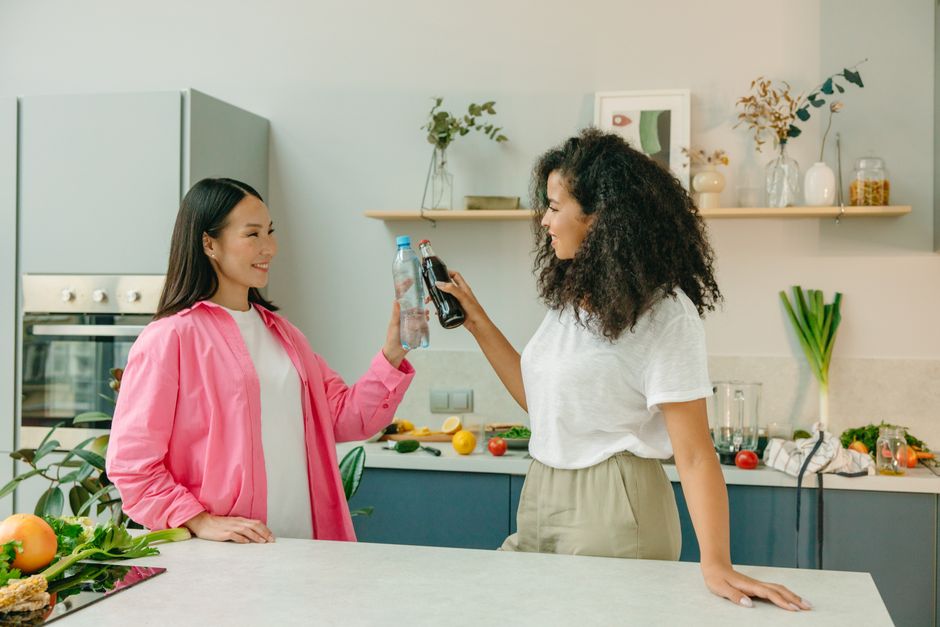
Quitting soda usually comes down to three things: knowing why you drink it, changing your environment so it is harder to reach, and replacing it with something you actually enjoy. Most people do best by cutting back gradually rather than stopping all at once. The caffeine and sugar in regular soda can cause real withdrawal symptoms, so planning for a rough first week helps.
Soda is one of the most common sources of added sugar in the American diet. A single 12-ounce can of regular cola contains about 39 grams of sugar, which is close to the daily limit the American Heart Association recommends for men (36 grams) and well above the 25-gram limit for women. That math alone explains why many people want to stop.
Why Is Soda So Hard to Quit?
Soda is hard to quit because it delivers two addictive-feeling compounds at once: sugar and caffeine. Regular soda hits the brain’s reward system fast. Liquid sugar reaches the bloodstream quickly, which triggers a spike in dopamine and blood glucose. Diet soda skips the sugar but often keeps the caffeine.
Habits also run on cues. If you always have a soda with lunch, in the car, or at your desk, your brain links those settings to the drink. The craving is often triggered by the situation, not the soda itself. This is why changing where and when you drink it can work better than willpower alone.
There is a third factor many people miss. Carbonation and the burn of cold bubbles are part of what people crave. The mouthfeel is a real sensory experience, not just a flavor. Replacing that sensation matters more than most quit plans acknowledge.
How Do You Quit Drinking Soda?
The most reliable approach is to make soda less available, replace it with something satisfying, and manage the physical withdrawal that comes with cutting sugar or caffeine. No single method works for everyone, but the strategies below have the strongest logic behind them.
Change your environment first
Stop buying soda for the house. This is the single most effective step for most people. You cannot drink what is not there. If soda is in the fridge, you will drink it on autopilot. If it requires a trip to the store, the craving usually passes before you act on it.
At work, keep a water bottle or another drink within arm’s reach. Distance and friction are powerful. Research on habit change consistently shows that making a behavior harder to do reduces how often it happens, often without any conscious effort.
Cut back gradually or stop at once
Both work. Gradual reduction is easier on the body if you drink several sodas a day, because it softens the sugar and caffeine withdrawal. Going cold turkey is faster and some people find the clean break simpler to stick with.
If you go gradual, set a schedule. For example, drop one soda per day each week until you reach zero. A written plan beats a vague intention to “drink less.”
Replace the sensation, not just the drink
Sparkling water with a squeeze of lemon or lime covers the carbonation craving. Unsweetened iced tea covers the caffeine if you need it. Herbal tea, cold water with fruit, and coffee are all reasonable swaps. The goal is to give your mouth and brain something to replace what you are removing.
Be careful with juice and sweetened “healthy” drinks. Many contain as much sugar as soda. Switching from cola to sweetened fruit punch is not a real change.
Plan for the first week
Expect headaches, irritability, tiredness, and strong cravings for the first few days, especially if you were drinking caffeinated soda. Caffeine withdrawal is well documented and typically peaks within the first day or two and eases over about a week. Sugar cravings tend to fade over a few weeks as your taste adjusts.
Drink extra water, get enough sleep, and do not schedule your quit attempt during a high-stress week. Most people who relapse do so in the first two weeks.
What Happens to Your Body When You Stop Drinking Soda?
The changes depend on whether you were drinking regular or diet soda, and how much. For regular soda, the clearest early benefit is a drop in added sugar and empty calories. One can a day adds up to roughly 140 calories. Cutting it usually creates a calorie gap that supports weight loss if the rest of your diet stays the same.
Blood sugar control can improve. Large studies have linked regular sugary drink intake to a higher risk of type 2 diabetes, and reducing it is one of the more direct dietary changes a person can make. This does not mean quitting soda prevents diabetes in any single person. It means the overall pattern moves in a better direction.
Dental health is another real benefit. Sugar and acid in soda both contribute to tooth decay and enamel erosion. Cutting soda reduces that exposure. This is one of the more consistent findings in dental research.
For diet soda, the picture is less clear. Diet soda has no sugar and no calories, so the sugar-related benefits do not apply. Whether artificial sweeteners affect appetite, gut bacteria, or long-term health is still an active area of research. The evidence is mixed, and no strong consensus exists that diet soda causes harm in the way regular soda does. What is clear is that water is the better default.
What Are the Best Soda Alternatives?
The best alternative is one you genuinely like and will drink instead. A swap you tolerate but do not enjoy will not last. Here is how common options compare.
- Sparkling water: Zero sugar, zero calories, gives the carbonation sensation many people miss most.
- Unsweetened iced tea: Provides caffeine if you need it, with no added sugar.
- Coffee: A reasonable caffeine source, though watch what you add.
- Water with lemon, lime, or cucumber: Cheap, simple, and easy to keep on hand.
- Herbal tea: Caffeine-free and good for evening cravings.
- Diet soda: A reasonable short-term bridge for some people, though water is the better long-term goal.
One clarification worth knowing: sparkling water is not the same as soda water with added minerals or sweeteners. Plain carbonated water is just water with carbon dioxide. It does not contain sugar or acid in the amounts found in cola, though carbonated drinks are mildly acidic and some dentists suggest not sipping them all day.
Does Diet Soda Help You Quit Regular Soda?
Diet soda can serve as a stepping stone for some people, but the evidence that it helps long-term is limited. It removes sugar and calories, which is a real improvement over regular soda. But it keeps the habit and the caffeine in place, and it does not train your taste away from sweetness.
Some people use diet soda for a few weeks and then taper off. Others stay on it indefinitely. Neither path is clearly “right” based on current evidence. If diet soda keeps you from returning to regular soda, many clinicians would consider that a net positive. If your goal is to stop drinking soda entirely, diet soda is a detour, not the destination.
What the research does not support is the claim that diet soda is a health drink. It is a lower-sugar substitute, not a beneficial beverage in its own right.
How Long Does It Take to Stop Craving Soda?
Cravings usually ease within a few weeks, though the timeline varies a lot from person to person. Caffeine withdrawal symptoms typically peak in the first one to two days and improve over about a week. Sugar cravings tend to fade more slowly, often over several weeks, as your taste buds adjust to less sweetness.
The habit itself can take longer to fade than the physical craving. Situational triggers, like the drive home or a movie night, can bring back the urge for months. Each time you resist, the link weakens. This is not a straight line. Most people have a few slips before it sticks.
If you slip and drink a soda, treat it as information rather than failure. Note what triggered it, then plan around that trigger next time.
When Should You Talk to a Doctor?
Talk to a doctor if you have diabetes, are pregnant, or take medication that affects blood sugar or caffeine sensitivity, before making big changes to your diet. Caffeine withdrawal is uncomfortable but not dangerous for most healthy adults. For people who drink very large amounts of caffeine, sudden withdrawal can cause significant headaches and fatigue.
If you feel faint, have heart palpitations, or notice unusual symptoms when you cut back, get medical advice. These are uncommon but worth checking. No clinical guidelines currently exist for tapering soda in children or pregnant women specifically, so a clinician’s input is the right call for those groups.
Frequently Asked Questions
How long does it take to stop craving soda?
Cravings usually ease within a few weeks, with caffeine withdrawal improving over about a week and sugar cravings fading more slowly. Situational triggers can linger for months.
Is it better to quit soda cold turkey or gradually?
Both work, and the better choice depends on how much you drink. Gradual reduction is gentler on the body if you drink several sodas a day, while cold turkey suits people who prefer a clean break.
Can drinking sparkling water help you quit soda?
Yes, for many people it does. Sparkling water provides the carbonation sensation without sugar or calories, which covers a craving that flavor swaps alone often miss.
Is diet soda a good way to quit regular soda?
It can be a useful short-term bridge because it removes sugar and calories. The evidence that it helps people quit soda entirely is limited, and water remains the better long-term goal.
