
Queefing is the release of trapped air from the vagina, and it is a normal physical event, not a sign that something is wrong with your body. You cannot stop it completely because air enters the vagina during many everyday movements and positions. You can reduce how often it happens by changing certain positions, managing how air enters during sex, and strengthening the pelvic floor. Understanding why it happens makes it far easier to manage.
What Causes Queefing?
Queefing happens when air that has been pushed into the vagina is released. The vagina is a muscular canal, not a sealed tube. Its walls can open slightly during movement, stretching, or penetration, which lets air in. When the walls close again or the body changes position, that air has to escape.
Common triggers include:
- Changing position during sex, especially moves that involve the hips tilting or the legs lifting
- Deep penetration, which can push air into the canal
- Stretching, yoga, or exercise that opens the pelvis
- Inserting or removing a tampon, menstrual cup, or fingers
- Standing up after lying down for a while
- Riding a bike or doing squats
The sound comes from air passing through the vaginal opening, much like air escaping a balloon. The pitch and volume depend on how much air is trapped and how fast it leaves. This is not gas from the digestive system, and it does not smell like a bowel movement. That distinction matters, because vaginal air and rectal gas are produced in completely different ways.
Is Queefing a Sign of a Health Problem?
No. Queefing on its own is not a symptom of any disease. It happens to people of all ages, whether or not they are sexually active, and it is not a sign that the vagina is “loose” or damaged.
There is one important exception. If the air is released with a foul or stool-like odor, or if you also notice stool or gas passing from the vagina, that is different. Those symptoms can point to a rare condition called a vaginal fistula, which is an abnormal connection between the vagina and the bowel. This requires medical evaluation. A fistula is uncommon, but it is not something to ignore.
If the air is odorless and you have no other symptoms, there is no medical concern. Some people also worry that queefing during sex means their pelvic floor is weak. That is not supported. Air trapping is a mechanical result of position and movement, not a measure of muscle tone.
How Do You Prevent Queefing?
You cannot prevent it entirely, but you can reduce how often it happens. The strategies below target the two main factors: how much air gets in, and how well your pelvic floor holds and releases it.
Change positions slowly. Rapid movement is what pushes air in and forces it out. When you shift position during sex, do it gradually. Pausing for a moment before you move gives trapped air a chance to escape quietly rather than all at once.
Avoid angles that trap air. Positions where the hips are elevated or the legs are pulled back tend to push more air into the canal. Positions that keep the pelvis level or let you control the depth tend to trap less. This varies from person to person, so some trial and error is normal.
Control the depth and pace. Slow, shallow movement introduces less air than fast, deep thrusting. If you notice air building up, a brief pause can help.
Strengthen the pelvic floor. Pelvic floor exercises, often called Kegels, train the muscles that support the bladder, uterus, and bowel. A stronger pelvic floor can improve your control over the vaginal opening. The evidence that Kegels directly reduce queefing is limited, but they are well established for pelvic floor function in general, and some clinicians suggest them for this reason.
Try a pelvic floor physical therapist. If queefing is frequent or distressing, a trained therapist can assess your muscle coordination. Some people have a pelvic floor that is too tight rather than too weak, and the exercises that help one problem can worsen the other. This is where professional assessment adds real value.
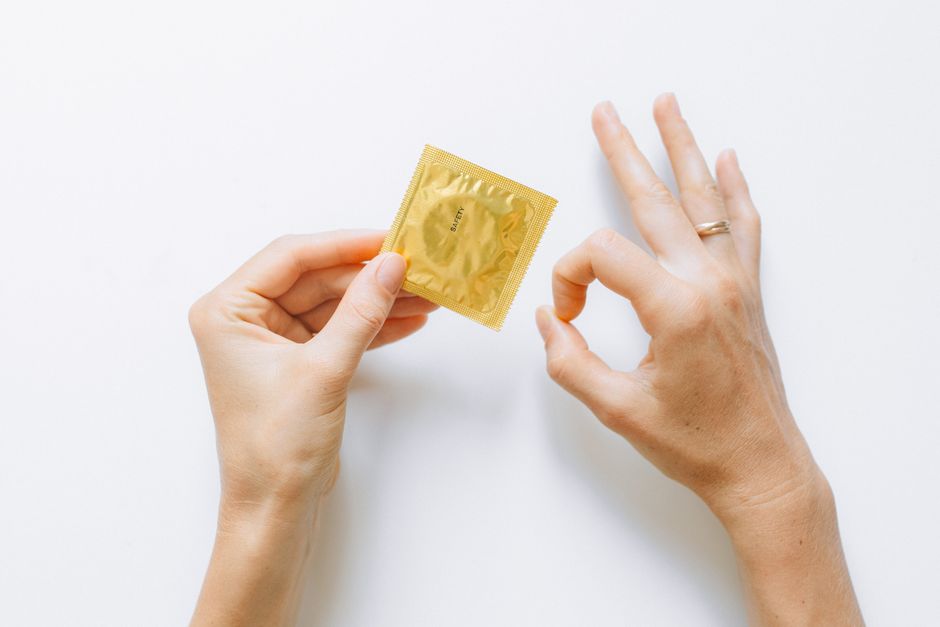
Use a barrier method during sex. A condom or other barrier can reduce how much air moves in and out during penetration. This is a practical option for some people, though it does not stop air from entering during other activities.
Do Pelvic Floor Exercises Actually Help?
Pelvic floor exercises are the most studied approach for pelvic floor strength, but research specifically on queefing is thin. Most of what clinicians know comes from the broader field of pelvic floor rehabilitation, not from studies that measured queefing directly.
Here is what is well established. The pelvic floor is a group of muscles that form a sling at the base of the pelvis. Like any muscle group, it can be trained. Kegels involve squeezing the muscles you would use to stop the flow of urine, holding briefly, then releasing. Doing them regularly can improve muscle tone and control.
What is not well established is whether stronger muscles translate into less air trapping. Air enters the vagina through a mechanical process, and stronger muscles do not seal the canal shut. So Kegels may help with overall pelvic floor control without directly preventing queefing. That is an honest distinction worth keeping in mind.
If you want to try them, the general approach taught by clinicians is to squeeze, hold for a few seconds, relax fully, and repeat. Doing too many or holding too long can cause muscle fatigue or tightness. If you feel pain or worsening symptoms, stop and talk to a clinician.
What Does Not Work
Several products and practices claim to stop queefing. Most have no evidence behind them.
- Vaginal tightening creams. No clinical evidence supports these for reducing air trapping.
- Douching. This does not prevent queefing and can disrupt the natural balance of bacteria in the vagina.
- “Vaginal tightening” devices sold online. Claims are not backed by published trials.
- Avoiding sex or exercise. This is not a reasonable trade-off, and it does not address the underlying mechanics.
The vagina is not supposed to be airtight. Products that promise to “tighten” it usually rely on the false idea that a normal vagina is loose. That idea is not supported by anatomy. Vaginal tone varies with arousal, age, and hormonal changes, and none of that makes queefing a defect.
When Should You See a Doctor?
See a clinician if the air has a foul or stool-like odor, if you notice stool or unexpected discharge from the vagina, or if you have pelvic pain along with it. These signs can point to a fistula or another condition that needs evaluation.
You should also seek care if queefing is causing significant distress, or if you have other pelvic floor symptoms such as leaking urine, a feeling of heaviness in the pelvis, or pain during sex. These can be signs of pelvic floor dysfunction that a physical therapist or doctor can help with.
For most people, queefing needs no treatment at all. It is a normal result of how the body is built. If it bothers you, the strategies above can reduce how often it happens. If it does not bother you, there is nothing to fix.
Frequently Asked Questions
Can you stop queefing completely?
No, you cannot stop it completely because air enters the vagina during normal movement and sex. You can reduce how often it happens by changing positions slowly and avoiding angles that trap air.
Does queefing mean the vagina is loose?
No, queefing is not a sign of looseness or weakness. It is a mechanical result of air entering and leaving the vaginal canal, and it happens regardless of muscle tone.
Do Kegel exercises stop queefing?
The evidence that Kegels directly reduce queefing is limited. They are well established for pelvic floor strength in general, and some clinicians suggest them, but they do not seal the vagina shut.
When is queefing a medical concern?
It is a concern if the air has a foul or stool-like odor, or if stool passes from the vagina. Those signs can point to a rare fistula and should be checked by a doctor.
