
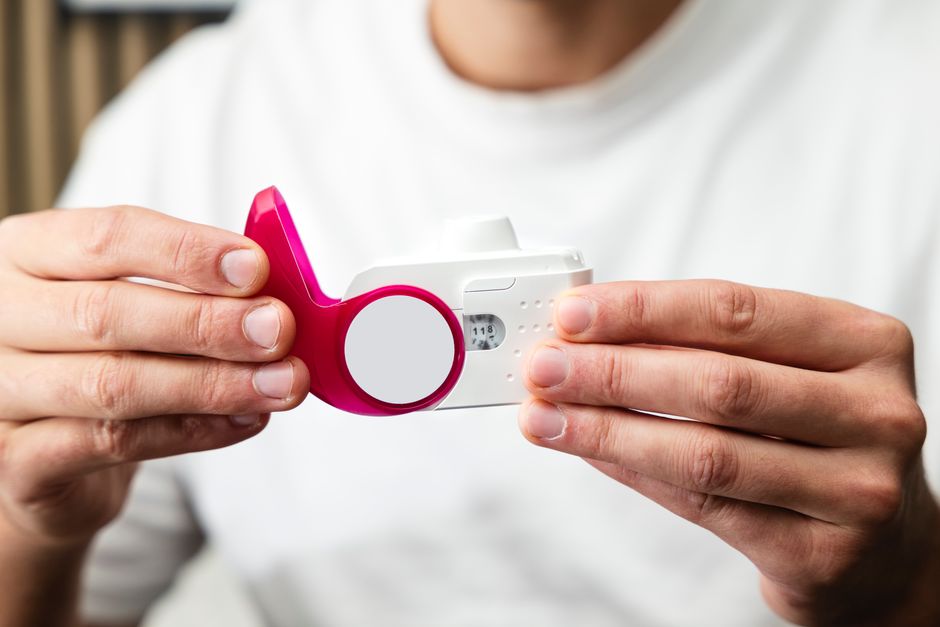
Spirometry is only as good as the effort behind it. Preparation is what makes the difference between a clean, readable test and one that has to be repeated or, worse, interpreted from poor data.
You prepare a patient for spirometry by explaining the test in plain language, checking for anything that could distort results, and coaching the breathing maneuvers before they happen. The key steps are confirming the patient is safe to test, holding medications when appropriate, practicing the blow, and making sure the patient is physically comfortable and understands what a full effort feels like.
Most of the work happens before the patient ever puts their lips on the mouthpiece. A calm, well-briefed patient who knows exactly what to do produces better numbers than a nervous one who is hearing the instructions for the first time mid-test.
How Do You Prepare Patients For Spirometry Before the Test Begins?
Preparation starts with a clear explanation of what spirometry measures. Spirometry records how much air you can blow out and how fast you can blow it. It is used to assess lung function and to help diagnose and monitor conditions such as asthma and COPD.
Tell the patient the test does not involve needles, sedation, or radiation. It requires forceful breathing through a mouthpiece, and it will take real effort. Patients who expect an easy, passive test often underperform. Setting that expectation early matters.
Confirm the patient understands the instructions. Ask them to repeat back what they will do. This catches confusion before it wastes a test.
Make sure the patient is physically comfortable. Loosen tight clothing around the chest and abdomen. Have them sit upright with feet flat and back supported. A slumped posture limits the ability to take a full breath in. The patient should keep a nose clip on, or the tester should pinch the nose, so air does not leak out through the nose.
Dentures should generally stay in if they are well fitting, because they help form a seal around the mouthpiece. Ill-fitting dentures that might slip should be discussed with the patient before testing.
What Should Be Checked Before Spirometry to Keep the Test Safe?
Safety screening comes before effort coaching. Spirometry is low risk for most people, but the forced breathing it requires is not appropriate for everyone on every day.
Ask about recent surgery, particularly eye, chest, or abdominal surgery. Ask about a recent heart attack, a collapsed lung, or any current chest infection. Ask about a history of coughing up blood. These are situations where the forced effort of spirometry could pose a risk, and testing is typically postponed or discussed with the ordering clinician.
This is a screening conversation, not a diagnosis. The person performing the test is not there to decide whether a patient has a condition. They are there to flag anything that means the test should wait.
Established guidance from respiratory professional bodies lists conditions where spirometry should be deferred or approached with caution. When in doubt, the safe move is to pause and check with the clinician who ordered the test rather than push ahead.
Should Patients Hold Their Inhalers or Other Medications Before Spirometry?
Sometimes yes, and the decision belongs to the clinician ordering the test. This is one of the places where preparation and clinical judgment overlap, and it is not something the tester should decide alone.
The reason it matters is straightforward. Bronchodilator inhalers open the airways. If a patient uses one shortly before a test that is meant to capture their baseline lung function, the result may look better than their typical function. That can affect how a diagnosis or a treatment plan is interpreted.
Common practice is that patients may be asked to hold short-acting bronchodilators for a period before baseline testing, while longer-acting medications are handled differently. The exact timing is set by the ordering clinician and the testing protocol, not guessed at by the person running the test. If there is any uncertainty about which medications to hold and for how long, confirm with the ordering clinician before the appointment.
Patients should bring a current list of all medications, including inhalers, and know the last time they used each one. That single step prevents most medication-related confusion.
How Do You Coach the Breathing Maneuvers Before Testing?
Practice the maneuver before the real test. Demonstration and rehearsal are the most reliable ways to get a full, forceful effort when it counts.
Show the patient what to do, then have them try it without the mouthpiece first. The sequence is: breathe in fully and quickly, seal the lips around the mouthpiece, then blast the air out as hard and as long as possible. The blow should be forceful from the very start, not a gradual push.
Use plain words. “Blast it out like you are blowing out birthday candles as hard as you can” often lands better than technical phrasing. Tell them to keep going until they cannot push any more air out, and that the tester will keep encouraging them to continue.
Let them know the tester will coach loudly during the test. Some patients are startled by this. Explaining it in advance keeps them from stopping early.
Expect coughing and some lightheadedness. Both are common with forceful breathing and usually settle quickly. Reassure the patient that a cough during the test is normal and does not mean they are doing it wrong.
Most tests require several acceptable blows, and the patient may need to repeat the maneuver multiple times with short rests in between. Telling them this upfront prevents frustration when the first attempt is not perfect.
What Practical Steps Make Spirometry Go More Smoothly?
Small logistics make a real difference. A patient who arrives rushed, hungry, or wearing restrictive clothing is a patient who struggles to give a full effort.
- Avoid a heavy meal right before the test, since a full stomach can make forceful breathing uncomfortable.
- Avoid vigorous exercise in the hour before testing, as it can affect breathing patterns.
- Do not smoke for a period before the test; the ordering clinician or testing service can advise on timing.
- Wear loose, comfortable clothing that does not restrict the chest or waist.
- Bring a current medication list and know recent inhaler use.
- Allow time to sit and rest before starting, especially after climbing stairs or walking in.
These steps are practical supports, not strict rules with a single universal number attached. The specific timing for things like smoking or exercise is set by the testing protocol, and patients should follow whatever their testing service advises.
How Do You Prepare Patients Who Are Anxious or Have Trouble With the Test?
Anxiety is common and it directly affects results. A tense patient often cannot take a full breath in or sustain a forceful blow, which produces numbers that understate their true lung function.
Slow the appointment down. Explain each step before it happens. Let the patient hold and inspect the mouthpiece and the filter if one is used. Familiarity reduces fear.
Some patients, particularly older adults or those with cognitive impairment, need the instructions broken into smaller pieces and repeated. Patience here is not a luxury. It is what produces a valid test.
If a patient truly cannot perform an acceptable maneuver after genuine coaching and several attempts, the honest outcome is that the test may not be interpretable. That is useful information for the clinician, not a failure. Pushing a struggling patient through endless attempts rarely improves the data and can erode trust.
One clarification worth making: spirometry measures how the lungs move air, not how well they exchange oxygen. A normal spirometry result does not rule out every lung problem, and an abnormal one does not by itself confirm a specific diagnosis. It is one piece of a clinical picture, which is why the preparation and the interpretation both involve the care team rather than the test alone.
Frequently Asked Questions
Do you need to fast before a spirometry test?
Fasting is not required, but a heavy meal right before testing can make forceful breathing uncomfortable. A light meal earlier in the day is generally fine unless the testing service gives other instructions.
Should I stop my inhaler before spirometry?
Only if the clinician ordering the test tells you to, because holding medications can change what the test measures. Never stop or hold an inhaler on your own without confirming the timing with your clinician.
Does spirometry hurt?
Spirometry is not painful, though forceful breathing can cause coughing, dry throat, or brief lightheadedness. These effects are common and usually settle quickly after the test.
How many times will I have to blow into the machine?
Most tests require several acceptable blows, and you may repeat the maneuver multiple times with short rests. The exact number depends on the testing protocol and whether your efforts meet the quality standards.
