
White vinegar is made by fermenting ethanol into acetic acid. The process starts with a source of alcohol, like fermented grain or fruit, which is then exposed to oxygen and specific bacteria. These bacteria, from the Acetobacter family, convert the alcohol into acetic acid over several weeks. The result is a clear liquid that typically contains 4% to 8% acetic acid diluted with water.
Making white vinegar at home is possible but takes patience. You need alcohol, the right bacteria, and consistent airflow. The process is not complicated, but it is slow. Most store-bought white vinegar is made in industrial settings where conditions are tightly controlled to speed things up.
This article covers what white vinegar actually is, how it is made, and what the evidence says about making it yourself. No hype, just the facts.
What Is White Vinegar Made From?
White vinegar starts with ethanol. Ethanol is the type of alcohol found in drinks like beer, wine, and spirits. For white vinegar, the ethanol usually comes from distilled grain alcohol. Corn, barley, or wheat are common sources.
The ethanol is then mixed with water and exposed to Acetobacter bacteria. These bacteria are naturally present in the air and on fruit skins. They need oxygen to do their job. The chemical reaction is simple: ethanol plus oxygen turns into acetic acid and water. Acetic acid is what gives vinegar its sour taste and strong smell.
Commercial white vinegar is made using a process called the Orleans method or the quick method. The quick method uses a generator that pumps air through the alcohol mixture. This speeds up fermentation from months to weeks. Most white vinegar on store shelves is made this way.
The final product is typically diluted to a standard strength. In the United States, distilled white vinegar sold for cooking contains 5% acetic acid. Cleaning vinegars may be stronger, up to 6% or 8%. The rest is water.
How Do You Make White Vinegar at Home?
Making white vinegar at home requires three things: alcohol, Acetobacter bacteria, and oxygen. You can buy a vinegar starter culture or use unpasteurized vinegar that contains live bacteria. The alcohol source matters. You cannot turn sugar water directly into vinegar. You need alcohol first.
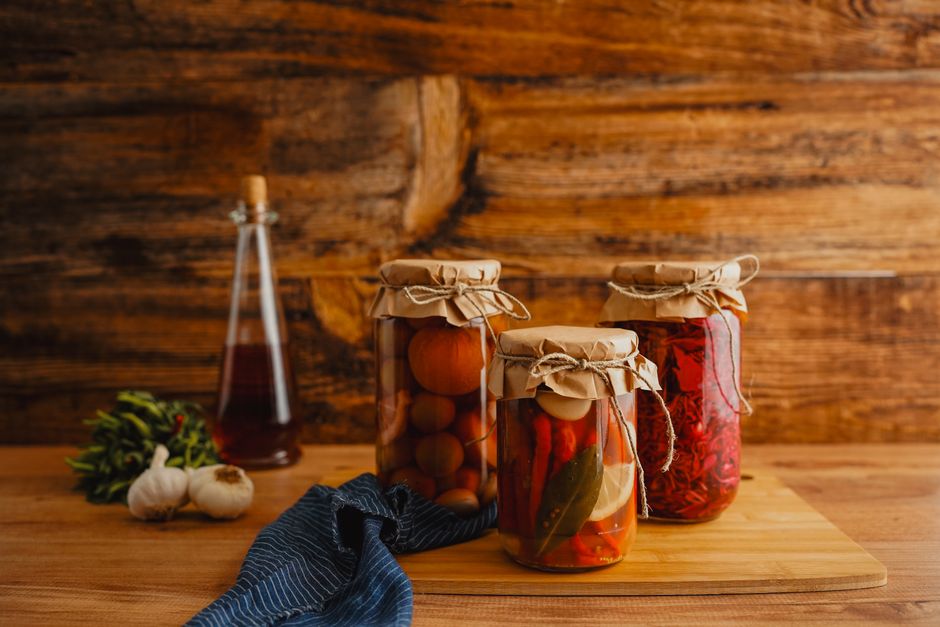
The simplest method uses store-bought vodka or another clear grain alcohol. Mix one part alcohol with two parts water. Then add a vinegar mother or a few tablespoons of unpasteurized vinegar. Cover the jar with a cloth or paper towel secured with a rubber band. This lets air in but keeps dust out.
Place the jar in a dark spot at room temperature, around 70 to 80 degrees Fahrenheit. Let it sit for three to four weeks. Taste it after three weeks. If it is sour enough, it is done. If not, wait another week. When the vinegar reaches your desired acidity, pasteurize it by heating it to 150 degrees Fahrenheit for 10 minutes. This kills the bacteria and stops fermentation.
Do not use metal containers. The acetic acid reacts with metal and can create off-flavors. Glass or food-grade plastic work best. Also, do not seal the jar tightly. The bacteria need oxygen. A sealed jar will not produce vinegar.
What Does Research Say About Homemade White Vinegar?
Research on homemade vinegar is limited. Most studies focus on commercial production or vinegar made from specific fruits and grains. The science of fermentation is well understood, but there are few peer-reviewed studies on small-scale home production.
A study published in the Journal of Food Science found that vinegar made at home can reach similar acetic acid levels as commercial vinegar if conditions are right. The key factors are temperature, oxygen flow, and alcohol concentration. Too little oxygen slows fermentation. Too much alcohol can kill the bacteria.
The CDC notes that homemade vinegar has a higher risk of contamination compared to commercial vinegar. This is because home environments are not sterile. Harmful bacteria like E. coli or Salmonella could grow if the fermentation goes wrong. This risk is low but real. If you see mold or smell anything off, throw it out.
Some people claim homemade vinegar has more probiotics or health benefits than store-bought. There is no strong evidence for this. Most commercial white vinegar is pasteurized, which kills bacteria. Homemade vinegar that is not pasteurized may contain live bacteria, but these are Acetobacter, not probiotics with proven health effects.




How Is Commercial White Vinegar Different?
Commercial white vinegar is made in large tanks with precise control over temperature, oxygen, and alcohol levels. Producers use the quick method, where alcohol is pumped through a tank filled with wood shavings or other material that holds Acetobacter bacteria. Air is forced through the tank to speed up the reaction.
This process takes 24 hours to a few days, not weeks. The vinegar is then filtered, pasteurized, and diluted to standard strength. The result is a consistent product with predictable acidity. No variation from batch to batch.
Home production cannot match this speed or consistency. The vinegar you make at home will vary in acidity and flavor. It may be stronger or weaker than store-bought. It may also contain sediment or a vinegar mother, which is a gelatinous layer of bacteria. This is normal and harmless.
| Feature | Homemade | Commercial |
|---|---|---|
| Time to produce | 3 to 6 weeks | 24 hours to 3 days |
| Acidity level | Variable | Consistent 5% |
| Risk of contamination | Low to moderate | Very low |
| Cost per gallon | Similar or higher | Low |
| Contains live bacteria | Yes, if not pasteurized | No, pasteurized |
For most people, buying commercial white vinegar is cheaper and safer. A gallon of distilled white vinegar costs a few dollars at any grocery store. Making it at home costs more in ingredients and time, and the result is not better.
Is Homemade White Vinegar Safe to Use for Cooking and Cleaning?
Homemade white vinegar is safe for cooking if the fermentation went well. The acetic acid kills most harmful bacteria. The USDA states that vinegar with at least 5% acetic acid is effective against many pathogens. If your homemade vinegar tests below 4% acidity, it may not be strong enough to preserve food or clean effectively.
For cleaning, homemade vinegar works the same as store-bought as long as the acidity is high enough. You can test acidity using pH strips. Vinegar with a pH of 2.4 to 3.4 is suitable for cleaning. If the pH is higher than 4, the vinegar is too weak to disinfect.
There is a common claim that homemade vinegar is better for the environment because it avoids plastic bottles and shipping. This is true only if you use local ingredients and reuse bottles. If you buy alcohol shipped from elsewhere, the environmental impact may be similar or worse.
Do not use homemade vinegar for canning or pickling unless you have tested its acidity. The National Center for Home Food Preservation warns that homemade vinegar may not have consistent acidity. Using weak vinegar for canning can lead to spoiled food and botulism risk. Stick with commercial vinegar for preserving food.
Common Misconceptions About Making White Vinegar
One common myth is that you can make vinegar from any liquid that ferments. This is partially true. You can make vinegar from wine, beer, cider, or fruit juice that has turned alcoholic. But you cannot make white vinegar directly from sugar water or fruit juice. The sugar must first be fermented into alcohol by yeast, then the alcohol must be fermented into acetic acid by bacteria. This is a two-step process.
Another myth is that vinegar mothers are the same as kombucha SCOBYs. They are related but not identical. Both contain Acetobacter, but kombucha SCOBYs also contain yeast and other bacteria. Using a kombucha SCOBY to make vinegar will produce an unpredictable result with different flavors.
Some people believe that homemade vinegar is stronger than store-bought. The opposite is usually true. Home fermentation often produces vinegar with 3% to 4% acidity unless you carefully control the alcohol content. Commercial white vinegar is almost always standardized to 5% acidity.
A final misconception is that vinegar never spoils. While vinegar is self-preserving due to its acidity, it can still grow mold if the acidity is too low or if it is contaminated. Always check for mold, off smells, or unusual colors before using homemade vinegar.
- Vinegar requires two fermentations: sugar to alcohol, then alcohol to acetic acid.
- Vinegar mothers and kombucha SCOBYs are not the same thing.
- Homemade vinegar is often weaker than store-bought, not stronger.
- Vinegar can spoil if acidity is low or if contaminated.
What to Avoid When Making White Vinegar
Avoid using tap water that contains chlorine. Chlorine can kill the Acetobacter bacteria. Use filtered or distilled water instead. Also avoid using metal containers or utensils. Acetic acid corrodes metal, which can leach into the vinegar and change its flavor.
Do not use alcohol that is too high in proof. Vodka that is 80 proof or 40% alcohol is too strong. The bacteria cannot survive in high alcohol environments. Dilute it to about 10% alcohol before starting. One part 80-proof vodka mixed with three parts water gives you roughly 10% alcohol.
Avoid sealing the jar. The bacteria need oxygen to convert alcohol into acetic acid. A sealed jar will create anaerobic conditions, which can lead to spoilage. Always use a cloth cover or paper towel so air can flow.
Do not rush the process. Fermentation takes time. Checking the vinegar daily or moving it to a warmer spot will not speed things up much. Temperatures above 90 degrees Fahrenheit can kill the bacteria. Below 60 degrees, fermentation slows to a crawl.
Frequently Asked Questions
Can I make white vinegar from just water and vinegar?
No. You need alcohol as the starting material. Water and vinegar alone will not produce more vinegar.
How long does it take to make white vinegar at home?
It typically takes three to six weeks depending on temperature, oxygen, and alcohol concentration.
Do I need a vinegar mother to make white vinegar?
Not strictly. Unpasteurized vinegar contains enough live bacteria to start fermentation. A mother just speeds the process.
Is homemade white vinegar safe for pickling?
Only if you test the acidity. Use pH strips to confirm at least 5% acetic acid. Otherwise use commercial vinegar for safety.
