
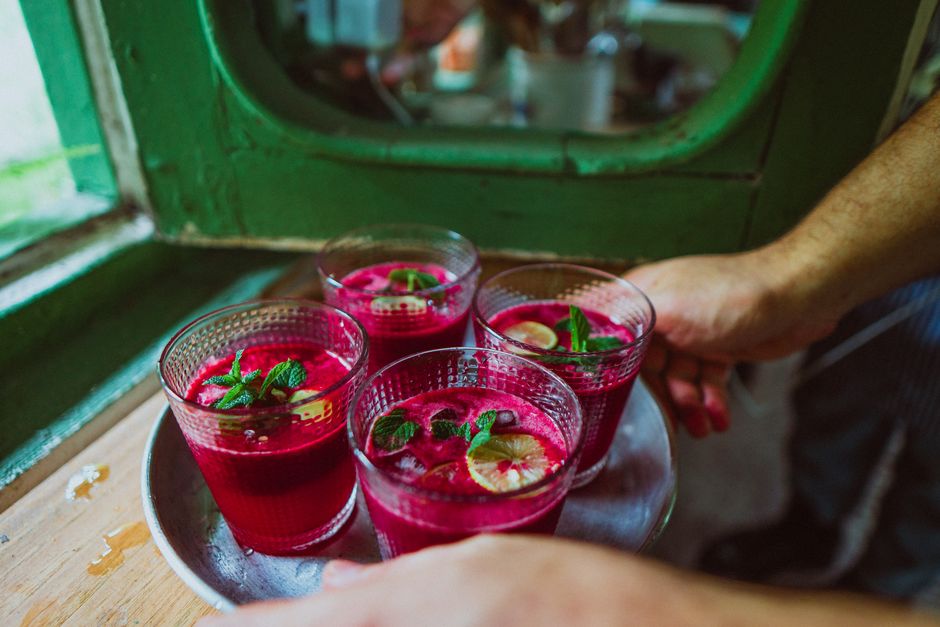
Beet juice is one of the few vegetable juices with a measurable effect on human physiology, and making it at home takes about ten minutes. You wash and peel the beets, cut them into chunks that fit your juicer or blender, and process them with a small amount of water or another juice to make them flow. The result is a deep red liquid that is rich in nitrate, which the body converts into nitric oxide — a molecule that helps blood vessels widen. That is the real reason beet juice gets attention, and it is worth understanding before you decide how much to drink.
How Do You Make Beet Juice Step by Step?
There are three common ways to make beet juice at home. Each gives a slightly different product, and the one you choose depends on what equipment you own.
Using a juicer
A juicer is the fastest route. Wash the beets thoroughly under running water and scrub off any dirt with a vegetable brush. Peel them if you like a milder taste — the skin carries some earthy flavor and a small amount of fiber, but peeling is not required for safety. Cut the beets into pieces that fit your machine’s feed chute.
Feed the chunks through the juicer, alternating with a piece of apple, carrot, or a stalk of celery if the beets are dry. The other produce helps push the beet through and softens the flavor. Drink the juice fresh or refrigerate it in a sealed container.
Using a blender
Blend chopped, peeled beets with about half a cup of water per medium beet until smooth. Pour the mixture through a fine mesh strainer, a nut milk bag, or several layers of cheesecloth, then press or squeeze to extract the liquid. This method takes longer but works with equipment most kitchens already have.
Using a slow juicer or masticating juicer
These machines crush and press rather than spin at high speed. They tend to produce a drier pulp and juice that separates more slowly. The trade-off is speed — a slow juicer takes noticeably longer per batch.
Whichever method you use, drink the juice within a day or two if possible. Fresh juice has no preservatives, and its flavor and nutrient content change over time in the refrigerator.
Do You Need to Peel Beets Before Juicing?
Peeling is optional. The skin is edible and safe once the beet is washed well, and it contains fiber and some of the same pigments found in the flesh. Many people peel anyway because the skin contributes a stronger earthy, slightly bitter note that some find unpleasant in juice.
One practical point: beets grow in soil, so grit and dirt cling to the surface. Scrubbing is more important than peeling. If you skip peeling, wash the beets under running water and use a brush to remove all visible soil.
If you are juicing conventionally grown beets, washing is the step that matters for removing surface residue. Peeling removes a bit more, but the difference is not large enough to make peeling mandatory.
How Much Beet Juice Should You Drink?
There is no official recommended amount of beet juice. This is worth stating plainly because many websites imply otherwise.
What the research does show is a relationship between dietary nitrate and blood vessel function. Beetroot is one of the richest common sources of dietary nitrate. The body converts nitrate to nitrite and then to nitric oxide, which signals blood vessels to relax. Studies on beetroot juice and blood pressure have generally used concentrated doses in the range of a few hundred milliliters of beet juice or an equivalent nitrate dose, and effects on blood pressure in those studies have typically been modest and short-lived.
That is different from saying a specific glass size is right for you. The evidence does not support a universal dose. A reasonable starting point for most healthy adults is a small glass — roughly 4 to 8 ounces — and paying attention to how you feel. Some people notice a drop in blood pressure, especially if they already take blood pressure medication.
If you take blood pressure medication, talk to your doctor before drinking beet juice regularly. The combination can lower blood pressure more than expected.




Why Does Beet Juice Turn Urine and Stool Red?
Beets contain pigments called betalains, and the body does not fully break them down. When these pigments pass through the digestive tract and kidneys, they can tint urine pink or red and stool dark red. The phenomenon is called beeturia.
Beeturia is harmless in itself and affects some people more than others. It is not a sign of a health problem.
The important caveat: red or pink urine has other causes, some of them serious. Blood in the urine can come from urinary tract infections, kidney stones, or other conditions. If you have red urine and you have not recently eaten beets, see a doctor. Do not assume it is beeturia.
If you know you ate beets and the color appears within a day, beeturia is the likely explanation. If the color persists after you stop eating beets, get it checked.
Does Cooking Beets Before Juicing Change Anything?
Cooking beets before juicing is possible but changes the product. Roasted or boiled beets are softer and blend more easily, which helps if you are using a standard blender without a strong motor. The flavor becomes sweeter and less earthy.
Heat does reduce some heat-sensitive compounds, and the nitrate content can change depending on the cooking method — boiling can leach nitrate into the cooking water, which you then discard. If your interest in beet juice is specifically about nitrate, raw beets are the more direct route.
For taste alone, cooked beets make a smoother, sweeter juice. Both work. It comes down to what you want from the glass.
What Can You Mix With Beet Juice to Improve the Taste?
Beet juice on its own is intense. Most people blend it with something else. These combinations work well and are common:
- Apple — adds sweetness and helps the juice flow through a juicer
- Carrot — mild and slightly sweet, balances the earthiness
- Orange — bright acidity cuts through the heaviness
- Lemon or lime — a small squeeze sharpens the flavor without adding much sugar
- Ginger — a small piece adds heat and is a common pairing
- Celery or cucumber — lightens the texture and adds a fresh note
Keep in mind that adding fruit juice adds sugar. Whole fruit contains fiber that slows sugar absorption; juice does not. If you are watching blood sugar, this matters. A beet-and-apple juice can carry a meaningful sugar load.
One non-obvious point: the earthy flavor people dislike in beets comes largely from a compound called geosmin, the same molecule that gives soil its characteristic smell. It is not a sign of poor quality. It is just chemistry, and it fades when you pair beets with something acidic or sweet.
Are There Risks to Drinking Beet Juice?
For most healthy adults, beet juice is safe in normal amounts. The main concerns are specific to certain people and situations.
People taking blood pressure medication should be cautious, as noted above. The nitrate in beet juice can add to the effect of the medication.
People with a history of kidney stones may want to ask their doctor. Beets are relatively high in oxalate, and oxalate is a component of the most common type of kidney stone. This does not mean everyone with a stone history must avoid beets, but it is a conversation worth having with a clinician who knows your history.
People with iron overload conditions such as hemochromatosis should be aware that beet juice contains iron, though the amount from a glass of juice is modest compared with the iron in food or supplements. Ask your doctor if you are unsure.
Beet juice can also cause stomach upset in some people, particularly in larger amounts. Start small.
No clinical guidelines currently exist for beet juice consumption during pregnancy or breastfeeding. If you are pregnant or nursing, treat beet juice as you would any other food and discuss regular intake with your healthcare provider.
Frequently Asked Questions
How do you make beet juice without a juicer?
Blend chopped, peeled beets with about half a cup of water per beet until smooth, then strain through a fine mesh strainer or cheesecloth and press out the liquid. The result is slightly thicker than juicer output but works well.
Do you have to peel beets before juicing them?
No, peeling is optional as long as you wash the beets thoroughly to remove dirt. Peeling mainly reduces the earthy, slightly bitter flavor that comes from the skin.
How much beet juice is safe to drink per day?
No official recommended amount exists, but most healthy adults start with roughly 4 to 8 ounces and adjust based on how they feel. If you take blood pressure medication, talk to your doctor first.
Why does beet juice turn urine red?
Beet pigments called betalains are not fully broken down by the body and can tint urine pink or red, a harmless effect called beeturia. If red urine appears without recent beet consumption, see a doctor to rule out other causes.
