
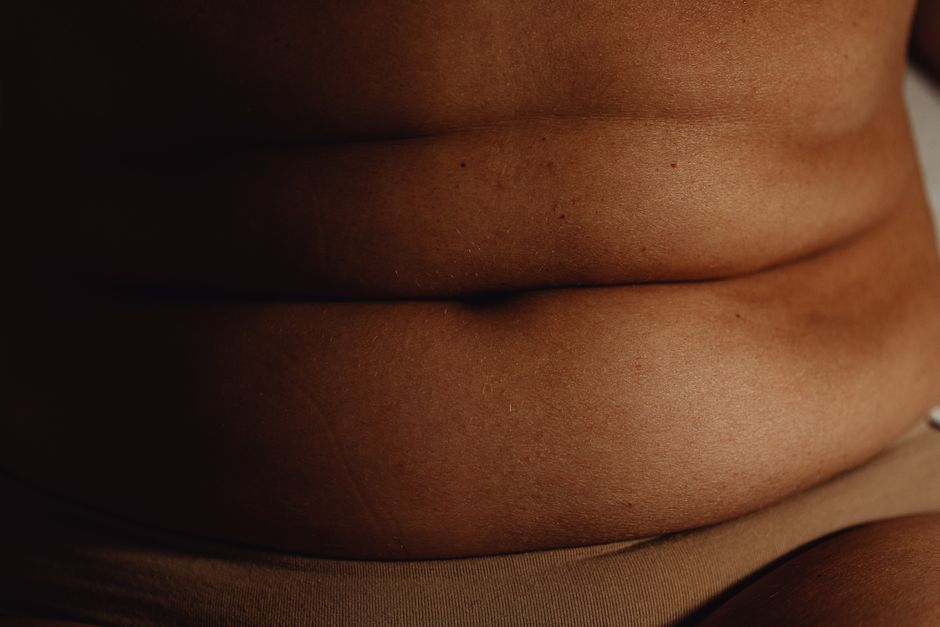
You cannot target belly fat directly with exercise. No amount of crunches will burn the fat sitting over your abdominal muscles, because your body does not lose fat from one spot on command. Fat loss happens system-wide, and where it comes off first is largely genetic. What you can do is create the conditions for overall fat loss, and belly fat tends to respond when total body fat drops. The fastest honest answer is a calorie deficit combined with resistance training, adequate protein, and sleep — not a tea, a wrap, or a 15-minute ab routine.
Why Does Belly Fat Resist Spot Reduction?
Your body stores fat in fat cells distributed across your entire body. When you burn more energy than you take in, hormones signal those fat cells to release stored energy. That signal goes everywhere at once. It does not check whether you did 100 sit-ups this morning.
Where fat comes off first is mostly determined by genetics, sex, and hormones. Men often lose fat from the face and limbs before the abdomen. Women often lose it from the hips and thighs last. This pattern is not something you can negotiate with. It is how your specific fat cells respond to the hormones that trigger fat release.
Abdominal fat comes in two forms, and the distinction matters. Subcutaneous fat sits just under the skin — it is the soft, pinchable kind. Visceral fat wraps around the internal organs deep in the abdomen. Visceral fat is the more metabolically active type and is more strongly linked to cardiovascular and metabolic risk. It also tends to respond to overall fat loss, sometimes noticeably so once total body fat declines.
This is why the question “how do you lose tummy fat quickly” has a frustrating answer. The quickest path is not a belly-specific exercise. It is a whole-body approach that happens to include your belly.
What Actually Drives Fat Loss?
A sustained calorie deficit is the only proven way to lose body fat. When you consistently take in less energy than you expend, your body draws on stored fat for fuel. This is not controversial. It is basic physiology.
The size of the deficit affects how fast you lose. A very large deficit can produce rapid weight loss on the scale, but a significant portion of that loss may come from muscle and water rather than fat. A moderate deficit — enough to lose roughly 0.5 to 1 percent of your body weight per week — is generally considered a sustainable pace that preserves more lean mass. This range is widely cited in clinical weight management guidance.
What you eat matters for how you feel and how much muscle you keep, even if total calories drive the scale. Protein is especially relevant. Higher protein intake helps preserve muscle during a deficit and tends to increase satiety, making the deficit easier to maintain. There is no single macronutrient split that works for everyone, but adequate protein is one of the more consistent findings in weight management research.
Liquid calories deserve a mention. Sugary drinks, specialty coffees, and alcohol can add hundreds of calories without making you full. Cutting them is often one of the simplest changes a person can make.
Does Exercise Help You Lose Belly Fat?
Exercise helps, but not in the way most people expect. It contributes to the calorie deficit and helps preserve muscle. It does not selectively burn belly fat.
Resistance training — lifting weights, using resistance bands, bodyweight strength work — is particularly useful during fat loss. It signals your body to keep muscle even while you are eating less. Keeping muscle matters because muscle tissue burns more energy at rest than fat tissue does, though the difference is often overstated in popular media. The bigger benefit is that you end up leaner at the same body weight, which changes how your midsection looks.
Cardiovascular exercise burns calories and supports heart health. It can be part of the plan, but it is not required to lose belly fat. Some people find that a mix of strength training and walking or other moderate cardio is easier to sustain than intense daily cardio, which can increase appetite and fatigue.
Ab exercises like crunches and planks strengthen the muscles underneath the fat. They do not burn the fat on top. A stronger core is worth having, but it will not reveal itself until the fat layer above it shrinks.




What About Diet, Fasting, and Specific Foods?
No food burns belly fat. Celery, green tea, apple cider vinegar, and cayenne pepper are frequently marketed this way, but no clinical evidence confirms that any of them produce meaningful fat loss on their own. Some small studies have looked at green tea catechins and fat oxidation, but the effects, when present, are small and inconsistent. They are not a shortcut.
Intermittent fasting is a pattern of eating that restricts when you eat rather than what you eat. Some studies suggest it can produce weight loss comparable to standard calorie restriction when total intake is similar. It is not magic. If it helps you eat less overall, it works. If it does not, it will not.
What tends to work is a diet built around whole foods — vegetables, fruit, lean protein, legumes, whole grains — with limited added sugar and refined carbohydrates. This is not because those foods burn fat. It is because they tend to be filling relative to their calories, which makes a deficit easier to hold.
Fiber deserves specific attention. Higher fiber intake is associated with greater satiety and, in some studies, better weight management outcomes. Most adults fall short of recommended fiber intake. Increasing vegetables, beans, and whole grains is a practical way to close that gap.
How Do Sleep and Stress Affect Belly Fat?
Short sleep and chronic stress are associated with higher abdominal fat, particularly visceral fat. The relationship is well documented, though the exact mechanisms are still being studied.
One likely pathway involves cortisol, a hormone released in response to stress. Cortisol helps mobilize energy, but chronically elevated levels are linked to increased fat storage, especially in the abdominal region. Poor sleep also disrupts appetite-regulating hormones, which can increase hunger and cravings for high-calorie foods.
This does not mean stress alone causes belly fat. It means that when you are sleep-deprived or chronically stressed, sticking to a calorie deficit becomes harder. Addressing sleep and stress is not a weight loss gimmick. It is part of making the fundamentals work.
How Fast Can You Realistically Lose Tummy Fat?
Fat loss takes time. A rate of roughly 0.5 to 1 percent of body weight per week is generally considered a sustainable pace. For someone weighing 180 pounds, that is about 1 to 2 pounds per week. Faster loss is possible but often comes with more muscle loss and is harder to maintain.
Visible changes in the midsection usually lag behind the scale. You may lose several pounds before your waist looks different, because fat is lost from multiple areas at once and the abdomen is often one of the last places to show it. This can be discouraging, but it is normal.
There is no supplement, wrap, or cream that has been shown in clinical trials to produce rapid, lasting belly fat loss. Some products may cause temporary water loss or skin tightening that looks like change, but the fat itself is not gone. Anyone promising fast belly fat loss with a product is selling something the evidence does not support.
What Actually Works — and What Does Not
Here is the honest breakdown.
- Works: A moderate calorie deficit, adequate protein, resistance training, sufficient sleep, and stress management.
- Helps: Cardiovascular exercise, higher fiber intake, cutting liquid calories, and consistency over months.
- Does not work for spot reduction: Crunches, planks, waist trainers, and ab machines.
- No clinical evidence: Fat-burning supplements, detox teas, apple cider vinegar, and topical creams for fat loss.
The uncomfortable truth is that there is no fast fix for belly fat that is also safe and lasting. The people who succeed are usually the ones who accept a slower pace and stick with it. That is not exciting advice, but it is the advice the evidence supports.
Frequently Asked Questions
Can you lose belly fat without losing weight elsewhere?
No. Fat loss happens across the body, not in one spot. You cannot choose where fat comes off first, and belly fat usually reduces as overall body fat drops.
Do sit-ups burn belly fat?
No. Sit-ups strengthen abdominal muscles but do not burn the fat covering them. Spot reduction through exercise is not supported by evidence.
How long does it take to see belly fat loss?
Most people see noticeable changes after several weeks of consistent calorie deficit and training. The midsection often shows change later than other areas.
Are fat-burning supplements effective for belly fat?
No clinical evidence confirms that any supplement produces meaningful, lasting belly fat loss. Some may cause temporary water loss, but the fat remains.
