

Knowing your blood type is not a mystery you have to live with. The most reliable way to find out is a formal blood test ordered by a doctor, but you can also learn it through blood donation or by using an at-home testing kit. Your blood type is determined by specific proteins on your red blood cells, and while many people guess correctly based on family history, only a lab test gives you a definitive answer.
What Determines Your Blood Type?
Your blood type is inherited from your parents. It is based on the presence or absence of two main antigens—proteins that trigger an immune response—on the surface of your red blood cells. These are called antigen A and antigen B.
If you have A antigens, you have type A blood. If you have B antigens, you have type B blood. If you have both, you are type AB. If you have neither, you are type O.
There is also a second factor called the Rh factor. This is another protein, and if you have it, your blood type is considered positive (like A+ or O+). If you do not have it, your blood type is negative (like A- or O-).
This combination creates the eight standard blood types: A+, A-, B+, B-, AB+, AB-, O+, and O-.
How Do You Know Your Blood Type? The Medical Test
A blood typing test is a standard laboratory procedure. A healthcare professional draws a small sample of your blood and sends it to a lab. The lab mixes your blood with antibodies that react to A and B antigens.
If your blood clumps when mixed with anti-A antibodies, you have A antigens. If it clumps with anti-B antibodies, you have B antigens. The Rh factor is tested the same way using anti-D antibodies.
This test is routine and highly accurate. You can request it during a regular checkup, and many doctors will order it as part of pre-surgical screening or prenatal care. If you have never had it done, asking your doctor is the simplest path to a confirmed answer.
Blood Donation: A Free Way to Learn
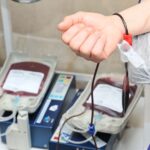
Donating blood is one of the easiest ways to discover your type at no cost. When you donate, the blood center tests your blood for type and Rh factor. You will receive a donor card or access to a portal that lists your blood type.
This method has an added benefit: you help save lives. Blood centers like the American Red Cross routinely test every donation for blood type and infectious diseases before it is used.
There is one limitation. If you have never donated, you cannot know your type this way. But if you are eligible to donate, it is a practical and generous option.




At-Home Blood Typing Kits
At-home kits are available online and in some pharmacies. These kits typically require a finger prick. You place a drop of blood on a card that contains antibodies, then add a solution and read the results based on clumping patterns.
These kits are generally accurate when used correctly, but they carry a risk of user error. Reading the clumping reaction requires careful attention. If you are unsure about the result, a lab test remains the gold standard.
No clinical guidelines currently exist for at-home blood typing, so treat the result as informative rather than definitive. If your result matters for a medical procedure, confirm it with a formal lab test.
Can You Guess Your Blood Type From Your Parents?
You inherit one allele from each parent. This means your blood type is determined by their combination. But guessing from family history is not always straightforward.
For example, two parents with type A blood can have a child with type O blood if both carry the recessive O gene. Two parents with type B blood can have a child with type A blood if both carry the A gene recessively. This is rare but possible.
In short, family history can narrow down the possibilities, but it cannot confirm your type. Only a blood test can do that.
Why Your Blood Type Matters
In an emergency, receiving incompatible blood can trigger a severe immune reaction. Your immune system attacks the donated red blood cells, which can be life-threatening. This is why hospitals always type and cross-match blood before transfusion.
For pregnancy, the Rh factor is particularly important. If an Rh-negative mother carries an Rh-positive baby, her immune system may produce antibodies against the baby’s blood. This can cause complications in subsequent pregnancies. Medical guidelines recommend Rh immunoglobulin treatment to prevent this.
Knowing your type also matters for organ donation and for blood donation eligibility. Some blood types are always in higher demand. Type O negative is often called the universal donor because it can be given to anyone, while AB positive is the universal recipient.
Blood Type and Health: What the Research Says
Some studies have explored links between blood type and disease risk. Certain research suggests that people with type O may have a lower risk of pancreatic cancer, while those with type A may have a slightly higher risk of stomach cancer. Other studies have looked at blood type and heart disease.
The evidence here is mixed. Some research suggests associations, but no large human trials have confirmed that blood type directly causes these outcomes. Blood type is one factor among many, including genetics, lifestyle, and environment.
Do not change your health habits based on your blood type. A balanced diet and regular exercise matter more than the letters on your lab report.
Blood Type Diets: The Marketing Claim
The “blood type diet” claims that your blood type determines which foods you should eat. This idea became popular in the 1990s and remains widely discussed online.
No study has confirmed this. Research published in peer-reviewed journals has found no evidence that blood type influences how your body processes food. The diet’s recommendations are not supported by clinical trials.
If you see claims that certain foods are “toxic” for your blood type, treat them as marketing noise. Your digestive system does not read your blood type before breaking down a meal.
How to Find Out If You Are Rh Negative
The Rh factor is included in every standard blood typing test. If your test result says “positive” or “negative” after the letter, that is your Rh status.
For example, if your result says “O negative,” you are type O and you lack the Rh protein. If it says “A positive,” you have the Rh protein.
This information is critical for pregnancy. If you are pregnant and do not know your Rh status, your doctor will test you early in prenatal care. This is routine and standard practice.
What If You Cannot Afford a Test?
Blood donation remains the most cost-effective route. Many blood centers run frequent drives at community centers, churches, and workplaces. You can also check with local health departments, which sometimes offer low-cost or free testing during health fairs.
If you have a medical condition that requires a blood test, your doctor will order one as part of your care. In that case, the test is covered by your insurance as a medically necessary procedure.
Do not attempt to determine your blood type by any home method other than a validated kit. No reliable DIY method exists outside of antigen testing.
Frequently Asked Questions
Can I find out my blood type without a doctor?
Yes, you can use an at-home blood typing kit or donate blood at a blood center. Both methods are accessible without a doctor’s visit.
Is an at-home blood type test accurate?
At-home kits are generally accurate when you follow the instructions carefully. A lab test is the most reliable option if you need certainty for medical reasons.
Does my blood type affect my diet?
No clinical evidence confirms that blood type determines which foods you should eat. The blood type diet is not supported by research.
Why do I need to know my Rh factor?
The Rh factor matters most during pregnancy and blood transfusions. An Rh-negative mother carrying an Rh-positive baby can develop antibodies that affect future pregnancies.
