
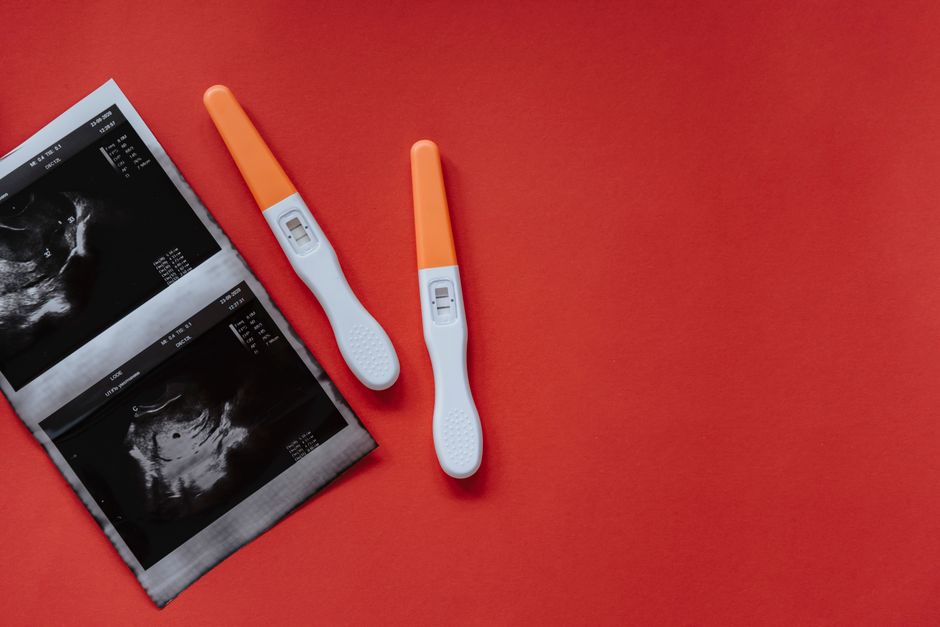
You almost never know the exact moment you conceived. Doctors date a pregnancy from the first day of your last menstrual period, not from the day sperm met egg. That single fact explains most of the confusion around conception dates. The dating you see on an ultrasound report and the “conception date” you might calculate are usually two different numbers, often about two weeks apart.
Conception itself — the moment a sperm fertilizes an egg — happens within roughly 12 to 24 hours after ovulation. But ovulation is hard to pin down from symptoms alone, and sperm can survive in the reproductive tract for several days. So even a well-timed guess carries a window, not a pinpoint. Doctors work with that reality rather than against it.
How Do You Know When You Conceived What Doctors Say?
Doctors do not try to identify the exact hour of conception. There is no test that can. Instead they estimate a date using the tools that are most reliable for dating a pregnancy, and they accept a margin of error.
The most accurate method depends on how far along you are. Early in pregnancy, ultrasound measurement of the embryo is the most reliable dating tool available. Later, the margin of error widens, so earlier data is given more weight.
- Last menstrual period (LMP): The first day of your last period is treated as day one of pregnancy, even though conception has not happened yet. This is the standard starting point.
- Early ultrasound: Measuring the embryo in the first trimester gives the most accurate estimate of gestational age. This often adjusts the LMP-based date.
- Ovulation tracking: If you were charting basal body temperature, cervical mucus, or ovulation predictor kits, that data can help narrow the window — but it is not precise enough to date a pregnancy on its own.
Here is the part that surprises many people: the “conception date” a doctor gives you is usually calculated, not observed. It is typically estimated as about two weeks after the LMP, based on an average cycle. If your cycle is longer or shorter than average, that estimate can be off by several days.
Why Doctors Date Pregnancy From Your Last Period, Not Conception
Pregnancy is dated from the last menstrual period because that date is something most people can report. The exact day of ovulation and fertilization usually cannot be confirmed. Using a consistent, checkable starting point lets every clinician, lab, and ultrasound report speak the same language.
The system assumes a 28-day cycle with ovulation around day 14. That is an average, not a rule. Many people ovulate earlier or later. If you have irregular cycles, the LMP method can be noticeably inaccurate, which is one reason an early ultrasound often becomes the deciding factor.
This is also why “gestational age” and “fetal age” are not the same thing. Gestational age counts from the LMP. Fetal age (sometimes called embryonic age) counts from conception. Fetal age is roughly two weeks less than gestational age, though the gap varies with cycle length. When a doctor says you are “8 weeks pregnant,” they almost always mean gestational age.
How Accurate Is an Ultrasound for Dating Conception?
Early ultrasound is the most accurate dating method available, and its precision is best in the first trimester. As pregnancy progresses, babies grow at different rates, so ultrasound becomes less reliable for dating and more useful for checking growth.
In the first trimester, ultrasound dating is generally accurate to within about a week. By the second trimester, the margin widens to roughly one to two weeks. In the third trimester, it can be off by several weeks. This is why an early scan carries more weight than a later one when the two disagree.
An ultrasound does not show conception directly. It measures the size of the embryo or fetus and compares that to established growth references. The date you receive is an estimate derived from those measurements, adjusted for the stage of pregnancy.
Can You Feel or Sense the Moment of Conception?
No. There is no reliable physical sensation that signals fertilization. Some people report mild cramping or spotting around the time of ovulation or early implantation, but these signs are not specific. The same sensations happen in cycles that do not result in pregnancy.
Implantation — when the fertilized egg attaches to the uterine lining — typically occurs about 6 to 12 days after ovulation. Some people notice light spotting around then, sometimes called implantation bleeding. But many people notice nothing at all, and spotting can have other causes. Treating it as proof of conception is not reliable.
The earliest confirmed sign of pregnancy is a positive pregnancy test, which detects human chorionic gonadotropin (hCG). This hormone becomes detectable in urine or blood only after implantation has occurred and the hormone has had time to rise. A test taken too early can be negative even when pregnancy has begun.
What Signs Suggest You Ovulated, and How Do They Relate to Conception?
Ovulation signs can tell you that ovulation likely happened, which narrows the conception window. They cannot confirm that fertilization occurred. Conception requires a sperm to meet a viable egg during the fertile window, and that is not something you can feel or observe.
Common ovulation indicators include changes in cervical mucus (often clearer and more stretchy near ovulation), a small rise in basal body temperature after ovulation, and a positive result on an ovulation predictor kit, which detects a surge in luteinizing hormone. Each of these has limits.
Basal body temperature rises after ovulation, so it confirms ovulation in hindsight — it does not predict it. Ovulation predictor kits detect the hormone surge that usually precedes ovulation by about a day or two, but the timing can vary. None of these methods can confirm conception itself.
Why the Conception Date You Calculate May Not Match Your Doctor’s
A home calculation and a clinical estimate often disagree because they start from different assumptions. If you calculate conception as roughly two weeks after your LMP, you are relying on an average cycle. Your body may not follow that average.
Doctors also revise dates when new information arrives. An early ultrasound that suggests a different gestational age than the LMP often becomes the new reference point. This is normal and not a sign that anything is wrong. It reflects the reality that dating is an estimate refined with better data.
If you know your ovulation date from tracking, mention it. It can help your clinician interpret the timing, even though it will not replace ultrasound or LMP-based dating. The goal is a working estimate that supports good prenatal care, not a perfect timestamp.
When the Exact Date Matters — and When It Does Not
For most pregnancies, the precise conception date is not medically important. What matters is an accurate gestational age, because it guides prenatal screening, monitoring, and decisions about care. A dating estimate within the accepted margin is enough for that purpose.
There are situations where timing carries more weight. If there is any question about paternity, or if a pregnancy resulted from a specific event, the conception window can become relevant. In those cases, clinicians rely on the same dating tools, and the answer still comes with a range rather than a single day.
It is worth being honest about the limits here. No method — LMP, ultrasound, ovulation tracking, or a combination — can identify the exact moment of conception with certainty. Doctors work within a window because that is what the evidence supports. Anyone offering a precise conception date to the day is overstating what is knowable.
Frequently Asked Questions
How soon after conception can a pregnancy test be positive?
A pregnancy test can turn positive only after implantation, when the body begins producing hCG. That is typically around 6 to 12 days after ovulation, so testing very early can give a false negative.
Can a doctor tell you the exact day you conceived?
No. Doctors estimate a conception window using your last period, ultrasound, and any ovulation tracking, but none of these can pinpoint the exact day. The result is always a range, not a single date.
Is the conception date two weeks after your last period?
It is often estimated that way, based on an average 28-day cycle with ovulation near day 14. If your cycle is longer or shorter, the real timing can differ by several days.
Does an early ultrasound show the conception date?
An early ultrasound estimates gestational age by measuring the embryo, and it is the most accurate dating tool in the first trimester. It does not show conception directly, and its estimate still carries a margin of about a week early on.
