
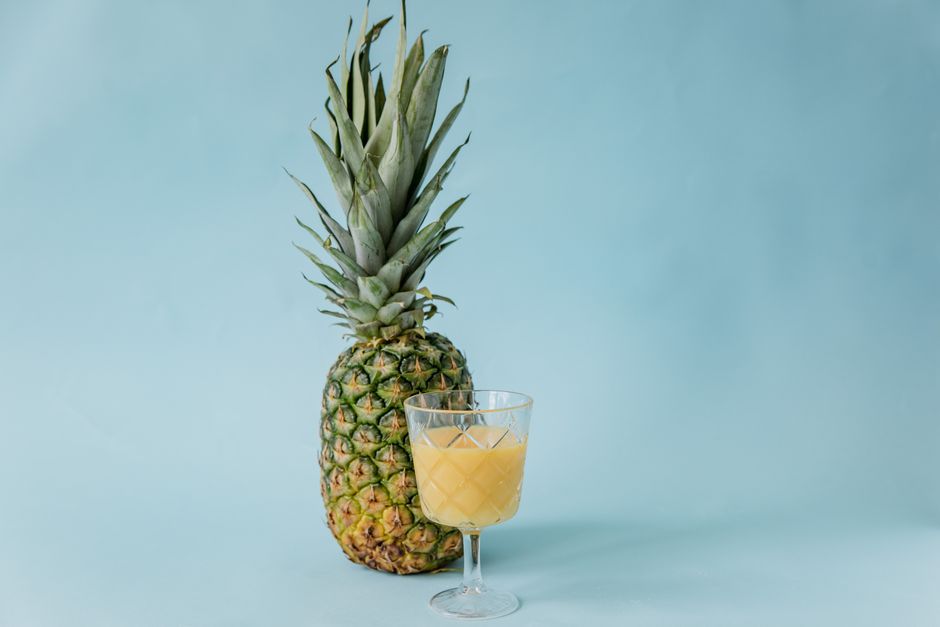
A pineapple does not ripen after it is picked. Unlike bananas or avocados, the sugar content is locked in the moment it is harvested. The best way to know if a pineapple is ripe is to smell the base—it should have a sweet, fragrant aroma. If it smells sour or fermented, it is past its prime.
How Do You Know When A Pineapple Is Ripe: The Color Test
Color is a helpful clue, but it is not the whole story. A pineapple that is entirely green was picked too early. It will be tart and lack sweetness no matter how long you leave it on the counter.
Look for a pineapple with golden-yellow color extending from the base upward. The more yellow the skin, the riper the fruit. However, a pineapple can still be sweet with some green patches, especially if it smells fragrant. The shell color depends on the variety and growing conditions, so smell and feel matter more than color alone.
The Smell Test Is the Most Reliable
Turn the pineapple upside down and sniff the bottom. That area ripens first because it is closest to the stem where sugars develop. A ripe pineapple smells sweet and tropical, similar to how it tastes.
If you smell nothing, the fruit is probably underripe. If the smell is sharp, vinegary, or like fermenting fruit, the pineapple is overripe and may have started to spoil inside. Trust your nose here—it is the single best indicator of ripeness.
How a Ripe Pineapple Should Feel
Gently squeeze the pineapple. It should yield slightly under pressure, like a ripe peach but firmer. A rock-hard pineapple is underripe. One that feels soft or mushy is overripe and likely mealy inside.
The leaves at the crown are another clue. Ripe pineapples have leaves that are green and vibrant. Pull gently on a leaf near the center. On a ripe pineapple, it should release with light resistance. If the leaves are brown, dry, or fall out easily, the fruit is old.




Weight and Sound: What They Actually Tell You
A ripe pineapple should feel heavy for its size. Heavier fruit contains more juice, which is a sign of good internal quality. Lift two pineapples of similar size and choose the heavier one.
Some people tap a pineapple and listen for a dull, solid thud. The idea is that a dense, ripe fruit produces a deeper sound than an underripe one. This method is not backed by strong evidence. Sound depends on the internal air pockets and moisture content, which vary widely. Use weight as a guide, but do not rely on tapping alone.
What to Do If You Bought an Underripe Pineapple
An underripe pineapple will not get sweeter after harvest. The starches have already converted to sugar, and that process stops when the fruit is cut from the plant. Leaving it on the counter will soften the flesh and change the color, but the sugar content stays the same.
If you are stuck with an underripe pineapple, you can still use it. The tartness works well in savory dishes, salsas, or grilled preparations where acidity is an asset. Adding sugar or honey in a recipe can balance the sourness. But do not expect it to taste like a pineapple that was picked ripe.
How to Store a Cut Pineapple
Once you cut a pineapple, it stops ripening completely. Refrigerate the pieces in an airtight container. Cut pineapple lasts about three to five days in the fridge. Freezing is a better option if you cannot eat it within that window—frozen pineapple keeps for up to six months and works well in smoothies.
Whole, uncut pineapples do not need refrigeration. Keep them at room temperature for one to two days if you plan to eat them soon. After that, refrigeration slows down the spoilage process, though the cold can dull the flavor slightly. For the best taste, let a refrigerated whole pineapple sit at room temperature for an hour before cutting.
Signs a Pineapple Has Gone Bad
Spoiled pineapple has clear warning signs. A sour or alcoholic smell means fermentation has started. Dark, oozing spots on the skin or a sticky liquid seeping from the base indicate the fruit is breaking down.
Inside, the flesh should be golden-yellow and firm. Brown spots, a slimy texture, or an off smell mean the fruit is no longer safe to eat. When in doubt, throw it out. Foodborne illness from spoiled fruit is not worth the risk.
Does Organic or Fresh-Cut Matter for Ripeness?
Organic certification does not affect ripeness. It refers to farming practices, not sugar content or harvest timing. A conventionally grown pineapple can be perfectly ripe, and an organic one can be picked early.
Fresh-cut pineapple from the store is a different situation. The fruit was likely picked at peak ripeness before cutting, since processors sort for quality. However, you cannot assess ripeness by smell or feel when it is already peeled. Check the packaging date and look for uniformly golden flesh with no brown edges. The liquid in the container should be clear, not cloudy or fizzy.
Pineapple Ripeness by Season
Pineapples are available year-round, but peak season in most markets runs from March through July. During this window, fruit is more likely to be harvested at full maturity because demand is high and shipping times are shorter.
That does not mean pineapples bought in other months are always bad. Global supply chains bring fruit from different growing regions throughout the year. The ripeness tests above work in any season. Smell, weight, and color remain your best tools regardless of when you shop.
A Note on Pineapple Allergies and Mouth Irritation
Some people feel a tingling or burning sensation on their lips and tongue after eating fresh pineapple. This is caused by bromelain, an enzyme that breaks down protein. It is not a sign that the pineapple is unripe or spoiled—it happens with ripe fruit too.
The effect is temporary and harmless for most people. Cooking pineapple destroys bromelain, which is why canned pineapple does not cause the same sensation. If you experience severe swelling, hives, or difficulty breathing, that could indicate a true allergy and you should seek medical attention.
Frequently Asked Questions
Can you ripen a pineapple after cutting it?
No. A pineapple stops ripening the moment it is harvested, and cutting it does not change that. The sugar content is already fixed, so it will not get sweeter.
Is a green pineapple safe to eat?
Yes, it is safe, but it will be tart and less sweet. The flesh may also be firmer and less juicy than a ripe pineapple.
How long does a ripe pineapple last on the counter?
A whole ripe pineapple lasts about one to two days at room temperature. After that, move it to the refrigerator to slow spoilage.
Why does my pineapple taste like alcohol?
That means the fruit is overripe and fermentation has started. The pineapple is past its best and should be discarded.
