
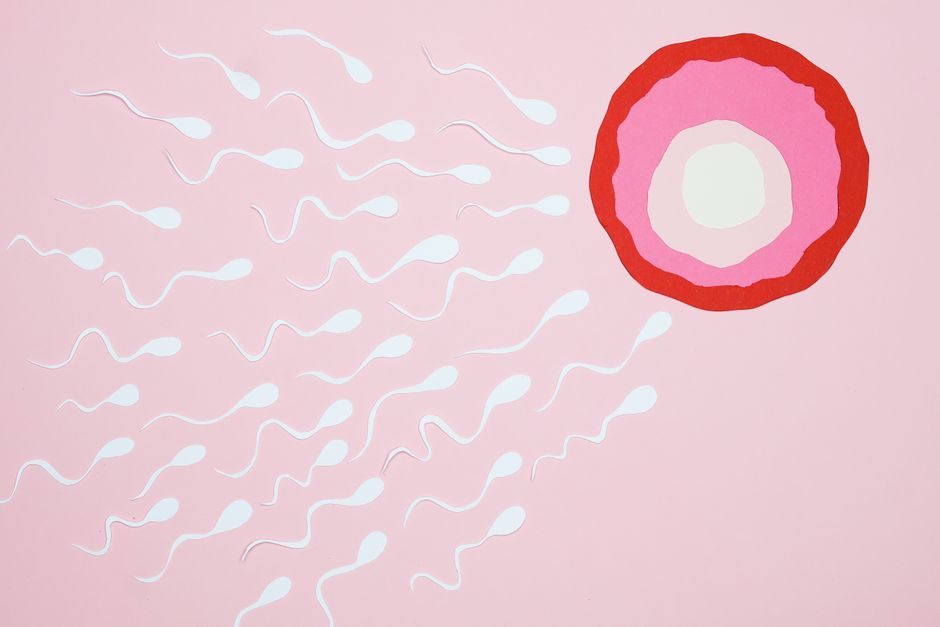
The short answer is that you usually cannot feel a low sperm count. Most men discover it only when they and their partner struggle to conceive. A semen analysis is the only reliable way to know for sure. That test measures the number of sperm in your semen, along with their shape and movement. While some physical signs can point to a problem, they are not proof. If you are worried, a simple lab test ends the guesswork.
What Is a Low Sperm Count?
A low sperm count is medically called oligospermia. Doctors diagnose it when a semen analysis finds fewer than 15 million sperm per milliliter of semen. This threshold comes from the World Health Organization’s reference ranges for male fertility. A count below this number reduces the odds of conception, but it does not mean pregnancy is impossible.
It is worth understanding what the test measures. A semen analysis looks at three main things: the total number of sperm, how well they move (motility), and their shape (morphology). A man can have a normal count but still have fertility problems if the sperm move poorly or are abnormally shaped. The full picture matters more than any single number.
What Are the Physical Signs of a Low Sperm Count?
Most men with a low sperm count have no symptoms at all. The condition is often silent. However, some underlying causes can produce visible signs. These signs point to a problem with the reproductive system, not the sperm count itself.
Watch for these possible warning signs:
- Pain, swelling, or a lump in the testicle area
- Difficulty with erections or ejaculation
- Reduced facial or body hair, which can signal a hormone issue
- Breast enlargement or tenderness
- A history of testicular injury or surgery
- Low sex drive
None of these symptoms confirm a low sperm count. A man can have all of them and still have normal sperm. He can have none of them and have a very low count. These signs simply suggest that a medical evaluation is worth doing.
How Do You Know If You Have a Low Sperm Count?
The only accurate way to know is a semen analysis. This test requires you to provide a semen sample, usually by masturbation into a sterile cup. The lab then examines the sample under a microscope to count the sperm and evaluate their quality.
To get accurate results, follow the preparation instructions carefully. Most clinics ask you to abstain from ejaculation for two to five days before the test. Too little time can result in a lower count. Too much time can reduce sperm motility. If the first result is abnormal, doctors typically repeat the test after a few weeks. Sperm counts can fluctuate naturally, so a single abnormal reading is not always conclusive.
You can order a home sperm test kit, but these have limits. They generally tell you only whether the count is above or below a certain threshold. They do not measure sperm movement or shape as thoroughly as a lab analysis. A home test can be a useful screening tool, but it is not a substitute for a clinical evaluation if you have concerns.





What Causes a Low Sperm Count?
Many factors can lower sperm production. Some are medical conditions, others are lifestyle choices, and some have no identifiable cause at all.
Medical causes include varicoceles, which are enlarged veins in the scrotum. They are found in about 40 percent of men with infertility. Hormonal imbalances, infections, and blockages in the reproductive tract can also reduce sperm output. Genetic conditions such as Klinefelter syndrome affect sperm production as well.
Lifestyle factors play a significant role. Heavy alcohol use, smoking, and marijuana use have all been linked to lower sperm counts. So has the use of anabolic steroids, which can shrink the testicles and halt sperm production. Obesity, chronic stress, and poor sleep can also contribute.
Environmental exposures matter too. Prolonged heat exposure to the testicles, such as from frequent sauna use or sitting for long hours, can temporarily lower counts. Certain medications, including some blood pressure drugs and antidepressants, may affect sperm production. Chemotherapy and radiation therapy for cancer often cause temporary or permanent infertility.
Can a Low Sperm Count Be Treated?
Treatment depends entirely on the cause. If a varicocele is present, surgery can sometimes improve sperm counts. Hormonal treatments may help men with hormone deficiencies. Infections can be treated with antibiotics. Blockages can sometimes be surgically repaired.
Lifestyle changes can also make a difference. Reducing alcohol intake, quitting smoking, and stopping anabolic steroid use can improve sperm production over time. Weight loss in obese men has been shown to improve fertility markers. Wearing looser underwear and avoiding excessive heat to the testicles may help as well.
Supplements are heavily marketed for male fertility. Some research suggests that antioxidants like Coenzyme Q10, zinc, and selenium may improve sperm quality in men with low counts. However, the evidence is not strong enough to recommend any specific supplement as a proven treatment. No supplement has been conclusively shown to cure low sperm count. Speak with a doctor before spending money on these products.
When treatment does not restore a normal count, assisted reproductive technologies remain an option. Intrauterine insemination (IUI) and in vitro fertilization (IVF) can help couples conceive even with low sperm counts. In some cases, a single sperm can be injected directly into an egg, a procedure called intracytoplasmic sperm injection (ICSI). These options have made biological fatherhood possible for many men who would have been unable to conceive naturally in the past.
When Should You See a Doctor?
If you and your partner have been trying to conceive for a year without success, both of you should be evaluated. That timeline shortens to six months if your partner is over age 35. A semen analysis is a standard part of this evaluation.
See a doctor sooner if you have any of the physical warning signs mentioned earlier. Pain, swelling, or a lump in the testicles should never be ignored. These can indicate a varicocele, an infection, or in rare cases, testicular cancer. Early evaluation is always better.
Do not wait for symptoms if you have known risk factors. A history of undescended testicles, prior testicular surgery, or cancer treatment should prompt an earlier assessment. The same applies if you are planning a family later in life and want to know your fertility status in advance.
Does a Low Sperm Count Affect Your Health?
Beyond fertility, a low sperm count can sometimes signal other health issues. Research has found that men with low sperm counts have higher rates of certain health conditions, including heart disease and some cancers. The reasons for this link are not fully understood.
One theory is that sperm quality reflects overall health. The same oxidative stress and inflammation that damage sperm may also damage blood vessels and other tissues. Another possibility is that hormonal imbalances causing low sperm counts also affect other body systems.
This does not mean a low sperm count causes these diseases. It means the two are associated. If you have a confirmed low count, it is reasonable to use that finding as motivation for a general health checkup. Blood pressure, cholesterol, and blood sugar screenings are worth doing.
Frequently Asked Questions
Can a man feel if his sperm count is low?
No, a low sperm count itself causes no sensation. Only the underlying causes, such as a varicocele or infection, may produce symptoms like pain or swelling.
How long does it take to get results from a semen analysis?
Most labs deliver results within a few days to a week. Your doctor will explain the findings and whether a repeat test is needed.
Can a home sperm test tell you if your count is low?
Home tests can indicate whether your count is below a certain threshold, but they do not measure sperm movement or shape as thoroughly as a lab analysis.
Does a low sperm count mean you cannot get a woman pregnant?
No, it reduces the odds but does not make pregnancy impossible. Many men with low counts father children naturally, and assisted reproductive options exist if needed.
