
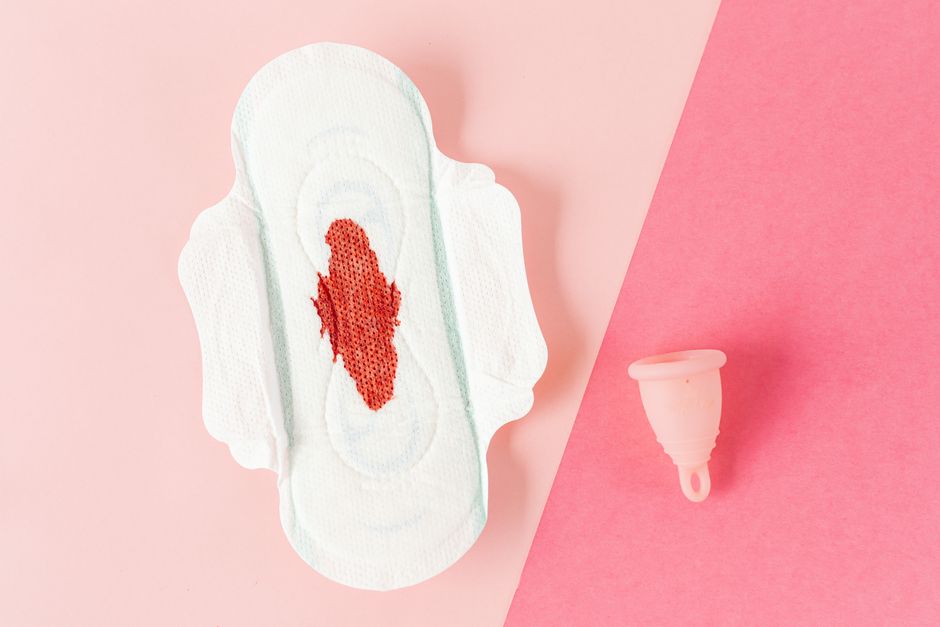
You know you are on your period when you see blood coming from your vagina. That bleeding is the most reliable sign, and it is usually the main way people tell. It often starts as light spotting or a pinkish or brown discharge before turning into a steady flow of brighter red blood. Most periods last between two and seven days, and they tend to arrive on a fairly predictable schedule once your cycle is established.
That sounds simple. In practice, plenty of people second-guess what they are seeing, especially in the first year or two of having periods, or during perimenopause when cycles become erratic. The questions below walk through what period blood actually looks like, how it differs from other bleeding, and when something unusual deserves a doctor’s attention.
How Do You Know If You’re On Your Period?
The clearest sign is vaginal bleeding that follows a recognizable pattern. For most people, that means bleeding arrives roughly every 21 to 35 days and lasts a few days, then stops on its own.
Period blood is not always bright red. It can look different from day to day:
- At the start, it may be light pink or brown. Brown blood is older blood that took longer to leave the uterus.
- In the middle of the period, it is usually brighter red and heavier.
- Near the end, it often turns brown or dark again as the flow slows.
You may also notice small clots, especially on your heaviest days. Clots are a normal part of menstrual flow for many people. Very large clots, roughly the size of a quarter or larger, are worth mentioning to a doctor.
Bleeding is the defining feature. Other symptoms can show up around the same time, but they are not required for a period to be a period.
What Other Signs Usually Come With a Period?
Many people get physical and emotional symptoms in the days before and during bleeding. These are real, common, and tied to shifting hormone levels.
Common period-related symptoms include:
- Cramping in the lower belly or back
- Breast tenderness
- Bloating
- Headaches
- Fatigue
- Mood changes, irritability, or feeling tearful
- Food cravings, especially for sweets or salty foods
- Acne flare-ups
These are sometimes grouped under the term PMS, or premenstrual syndrome. PMS symptoms typically appear in the one to two weeks before bleeding starts and ease once the period is underway.
Here is the part people often get wrong. Symptoms alone cannot confirm a period. Cramps, bloating, and mood shifts can have other causes. If you feel crampy but see no blood, you are not on your period yet. The bleeding is what confirms it.
How Can You Tell Period Blood Apart From Other Bleeding?
Not all vaginal bleeding is a period. The timing and pattern are usually what separate one from the other.
Period bleeding is predictable and cyclical. It comes, lasts a few days, and stops. Other types of bleeding tend to break that pattern:
- Ovulation spotting is light bleeding or spotting that can happen around the middle of the cycle, roughly two weeks before a period would be due.
- Implantation bleeding is light spotting that some people notice in early pregnancy, often around the time a period would be expected. It is usually much lighter than a period.
- Breakthrough bleeding can occur between periods, sometimes related to hormonal birth control.
- Spotting after sex can have several causes and is worth checking with a doctor if it happens more than once.
One distinction that trips people up: implantation bleeding and a light period can look nearly identical in the moment. If there is any chance you could be pregnant, a pregnancy test is the way to know. No symptom pattern can reliably tell them apart on its own.
How Do You Count Your Cycle and Predict the Next Period?
Day one of your period is the first day of full bleeding, not spotting. That day is the start of a new cycle. The next cycle begins on the first day of your next period.
To track your cycle, mark that first day each month. Count the days from one period’s first day to the next period’s first day. That number is your cycle length.
Cycle length varies from person to person. A typical adult cycle runs about 21 to 35 days. Cycles can be longer and more irregular during the first few years after periods begin and again during perimenopause, the years leading up to menopause.
Tracking helps you see your own pattern and spot anything that changes. A calendar, a notes app, or a period-tracking app all work. The method matters less than doing it consistently.
What If Your Period Seems Irregular or Unusual?
Some variation is normal. Cycles shift with stress, travel, weight changes, illness, and hormonal shifts. A single odd cycle is usually not a cause for alarm.
Patterns that are worth a conversation with a doctor include:
- Bleeding that soaks through a pad or tampon every hour for several hours in a row
- Periods that regularly last longer than seven days
- Cycles that are consistently shorter than 21 days or longer than 35 days
- Bleeding between periods, after sex, or after menopause
- Periods that suddenly become much heavier or much lighter than usual
- Severe pain that interferes with daily life
These signs do not automatically mean something is wrong. They mean a doctor should take a look. Heavy or irregular bleeding can have many causes, and some are treatable. The only way to know is to get checked.
Does a Missed Period Always Mean Pregnancy?
No. A missed period can have many causes, and pregnancy is only one of them.
Other common reasons a period can be late or skipped include:
- Stress
- Significant weight loss or weight gain
- Intense exercise
- Thyroid problems
- Polycystic ovary syndrome, often called PCOS
- Perimenopause
- Certain medications
If you are sexually active and your period is late, a home pregnancy test is a reasonable first step. If the result is negative and your period still does not come, or if missed periods become a pattern, see a doctor. There are several possible explanations, and a test or exam can help sort them out.
When Should You Talk to a Doctor About Your Period?
Talk to a doctor if your bleeding does not fit a normal pattern, if it is heavy enough to disrupt your life, or if something about it has changed and stayed changed.
You do not need a dramatic reason to ask. Questions about periods are common and reasonable. A doctor can help you understand what is typical for you and whether anything needs attention.
If you are not sure whether your symptoms are worth mentioning, err on the side of asking. There is no downside to getting an answer, and there can be a real downside to waiting when something is off.
Frequently Asked Questions
How do I know if my bleeding is a period or something else?
A period follows a predictable cycle and lasts a few days before stopping on its own. Bleeding that shows up between periods, after sex, or after menopause is not a period and should be checked by a doctor.
Can you have a period without bleeding?
No. Bleeding is what defines a period. You can have cramps, bloating, or mood changes without bleeding, but that is not the same as being on your period.
How long does a normal period last?
Most periods last between two and seven days. Bleeding that regularly lasts longer than seven days is worth discussing with a doctor.
What does early period blood look like?
It is often light pink or brown at the start, then turns brighter red as the flow picks up. Brown blood is simply older blood that took longer to leave the body.
