
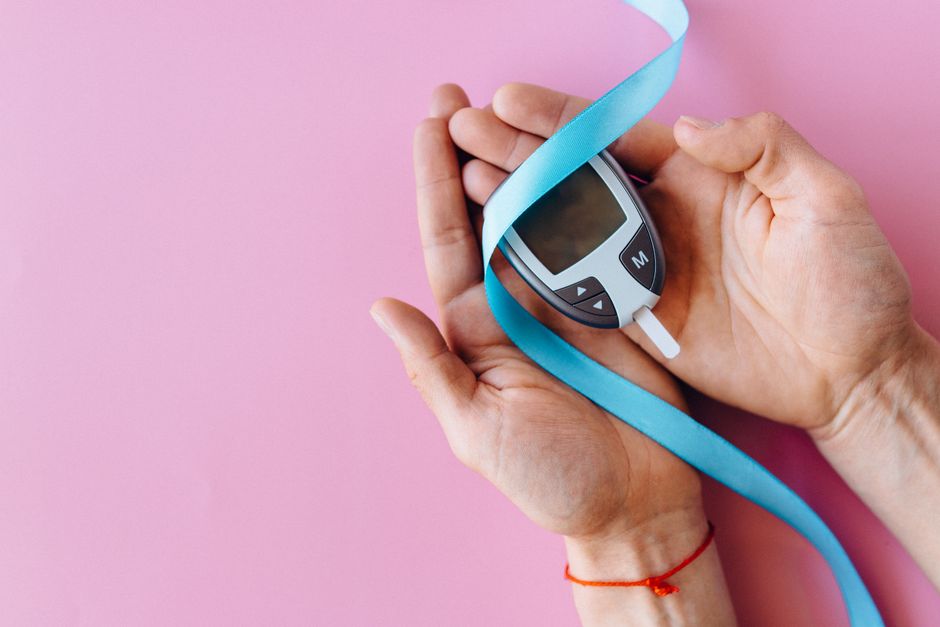
Feeling tired for no clear reason. Peeing more often than usual. A cut on your foot that heals slowly. These are common early clues of diabetes — a condition where blood sugar stays too high because the body cannot move glucose into cells properly. The most reliable way to know is a blood test, not a symptom checklist. But certain signs, especially when several appear together, are worth bringing to a doctor.
What Are the First Signs of Diabetes?
Early diabetes often announces itself quietly. Many people have no obvious symptoms at all, which is why the condition can go unnoticed for years. When symptoms do appear, they tend to build gradually.
The classic early signs come from high glucose in the blood and its effect on the kidneys and fluid balance:
- Increased thirst — the body pulls water from tissues to dilute the extra glucose in the blood.
- Frequent urination, especially waking at night to go.
- Fatigue — cells cannot use glucose for energy efficiently, so you feel drained.
- Unexplained weight loss — more typical of type 1 diabetes, where the body breaks down fat and muscle for fuel.
- Blurred vision — shifting fluid levels in the eye change the shape of the lens.
These symptoms are not specific to diabetes. Thirst and fatigue have many causes. That overlap is exactly why symptoms alone cannot confirm a diagnosis.
How Do You Know If You’re Diabetic? Key Signs Beyond the Obvious
Some of the most telling signs of diabetes are the ones people dismiss. They are easy to blame on age, stress, or a busy schedule.
Slow-healing wounds are a genuine red flag. High blood sugar affects circulation and the immune response, so sores and infections take longer to resolve. A minor cut that lingers for weeks deserves attention.
Recurring infections are another clue. High glucose in urine and tissues creates conditions where bacteria and yeast grow more easily. Repeated urinary tract infections or yeast infections, particularly in women, can be an early signal.
Tingling or numbness in the hands and feet suggests nerve damage, a complication that develops when blood sugar has been elevated for a long period. It is more common in people who have had undiagnosed diabetes for a while. This symptom usually points to longer-standing disease rather than the very first stage.
Dark, velvety patches of skin — often on the neck, armpits, or groin — is a condition called acanthosis nigricans. It is strongly linked to insulin resistance and is common in type 2 diabetes. Many people mistake it for a skin problem and never connect it to blood sugar.
How Do Type 1 and Type 2 Diabetes Symptoms Differ?
Type 1 and type 2 diabetes share many symptoms, but they tend to arrive differently. Type 1 often comes on fast and hard. Type 2 usually develops slowly and quietly, sometimes over years.
In type 1 diabetes, the body’s immune system attacks the cells that make insulin. Without insulin, glucose cannot enter cells at all. Symptoms can escalate over days or weeks. Extreme thirst, heavy urination, rapid weight loss, and severe fatigue are common. Type 1 can also progress to diabetic ketoacidosis, a medical emergency marked by nausea, vomiting, confusion, and a fruity odor on the breath. This requires immediate care.
Type 2 diabetes is different. The body still makes insulin, but cells respond poorly to it — a state called insulin resistance — and insulin production may eventually fall short. Symptoms build slowly and are often mild enough to ignore. Many people with type 2 are diagnosed through routine blood tests before they notice anything unusual.
This is the non-obvious part worth sitting with: for type 2 diabetes, the absence of noticeable symptoms is common, not rare. Waiting to “feel diabetic” is an unreliable strategy.
When Should You Get Tested?
Testing is the only way to know for certain. If you have symptoms, see a doctor promptly — especially the severe signs like rapid weight loss, vomiting, or confusion, which need urgent attention.
Even without symptoms, screening is recommended for adults with risk factors. Established guidance generally supports routine screening starting around age 35 for most adults, with earlier or more frequent testing for people with certain risk factors. Specific recommendations can change, so confirm current guidance with your clinician.
Risk factors that make testing more important include:
- A family history of type 2 diabetes
- Excess weight, particularly around the abdomen
- Physical inactivity
- High blood pressure or abnormal cholesterol
- A history of gestational diabetes during pregnancy
- Being over age 35
Having a risk factor does not mean you have diabetes. It means testing is a reasonable step.
What Blood Tests Confirm Diabetes?
Doctors use a small number of well-established blood tests. Each measures something slightly different, and diagnosis is based on defined thresholds.
| Test | What it measures | Diabetes range |
|---|---|---|
| Fasting glucose | Blood sugar after at least 8 hours without eating | 126 mg/dL or higher |
| A1C | Average blood sugar over roughly the past 2-3 months | 6.5% or higher |
| Random glucose | Blood sugar at any time, with symptoms present | 200 mg/dL or higher |
| Oral glucose tolerance test | Blood sugar 2 hours after a sugary drink | 200 mg/dL or higher |
A single abnormal result is usually confirmed with a repeat test on a different day, unless glucose is very high or symptoms are clear. This step prevents a misdiagnosis from a one-off reading.
There is also an in-between zone. Fasting glucose between 100 and 125 mg/dL, or an A1C between 5.7% and 6.4%, is called prediabetes. It is not diabetes, but it signals a higher risk of developing it. Prediabetes often has no symptoms and is found only through testing.
Can You Have Diabetes Without Symptoms?
Yes. A large share of people with type 2 diabetes have no symptoms when they are diagnosed. The condition can quietly damage blood vessels, nerves, kidneys, and eyes for years before anything feels wrong.
This is why screening exists. It finds diabetes in people who feel completely fine. The damage from high blood sugar often begins long before symptoms appear, and early detection allows treatment to start before complications take hold.
Type 1 diabetes is less likely to be silent for long, because insulin deficiency produces symptoms relatively quickly. Still, the early stage can be subtle.
The Bottom Line on Recognizing Diabetes
Symptoms can point you toward testing, but they cannot diagnose you. Persistent thirst, frequent urination, fatigue, slow-healing wounds, and dark skin patches are worth mentioning to a doctor. So is a family history or other risk factor, even if you feel fine.
If something feels off, get a blood test rather than waiting for certainty. The tests are simple, widely available, and the only reliable way to know.
Frequently Asked Questions
What is the most common first sign of diabetes?
Increased thirst and more frequent urination are among the most common early signs. Many people with type 2 diabetes have no noticeable symptoms at all.
Can diabetes be diagnosed without symptoms?
Yes. Type 2 diabetes is frequently found through routine blood tests in people who feel completely normal. Screening is how silent cases are caught.
How long can you have diabetes and not know it?
Type 2 diabetes can go undetected for years because symptoms often develop slowly or not at all. This is why regular screening matters for people with risk factors.
What blood sugar level means you are diabetic?
A fasting glucose of 126 mg/dL or higher, or an A1C of 6.5% or higher, falls in the diabetes range. A doctor usually confirms an abnormal result with a repeat test.
