
Fungi are survivors. Their cell walls contain chitin, the same tough material found in insect shells, and many species form spores that shrug off heat, dryness, and disinfectants that would destroy bacteria. Killing them comes down to two things: the right agent and enough contact time. On skin, that usually means an antifungal medication used for the full course. On surfaces, it means a disinfectant proven to work against fungi, left wet on the surface for the full contact time listed on the label.
How Do You Kill A Fungus On Skin And Surfaces?
On skin, you kill a fungus with an antifungal drug, not a household cleaner. On surfaces, you kill it with an EPA-registered disinfectant that carries a claim against fungi, applied and left wet for the full contact time.
Those two settings are not interchangeable. A product that works on a bathroom floor may be harsh or ineffective on skin. A cream that clears a rash on your arm will do nothing for the mold growing behind your shower tile.
Understanding why requires a quick look at what fungi actually are.
Why Are Fungi Harder To Kill Than Bacteria?
Fungi are eukaryotes, meaning their cells are built like human cells. That shared biology is the core problem. Many antibiotics and disinfectants work by attacking structures bacteria have and human cells do not. Fungi sit closer to us on the tree of life, so there are fewer targets that hurt them without also hurting us.
Two features make them especially tough:
- Chitin cell walls. This rigid layer gives fungi structural protection and resists many chemical attacks.
- Spores. Some fungi produce spores that survive drying, heat, and ultraviolet light. Spores can linger on surfaces and in dust long after the visible fungus is gone.
This is why “killing” a fungus often takes longer than people expect. It is also why recurrence is common. You may have removed the visible growth while leaving spores behind.
What Actually Kills Fungus On Skin?
Prescription and over-the-counter antifungal medications kill or stop the growth of fungi on skin. They fall into a few main classes, and which one fits depends on the type of fungus and where it is.
Common antifungal drug classes include:
- Azoles (such as clotrimazole and miconazole) — disrupt the fungal cell membrane.
- Terbinafine — also attacks the cell membrane, often used for skin and nail infections.
- Polyenes (such as nystatin) — bind to a component of the fungal membrane.
- Griseofulvin — interferes with fungal cell division, used for certain infections.
The single most important factor in success is not which drug you pick. It is finishing the full course. People often stop when the rash fades, but the fungus is frequently still present and returns. Follow the duration your clinician or the product label specifies.
Some fungal skin conditions, like athlete’s foot and ringworm, usually respond to topical treatment. Others, including many nail infections, are notoriously stubborn and may need oral medication. No topical product reliably cures a deeply embedded nail fungus on its own.
What about home remedies?
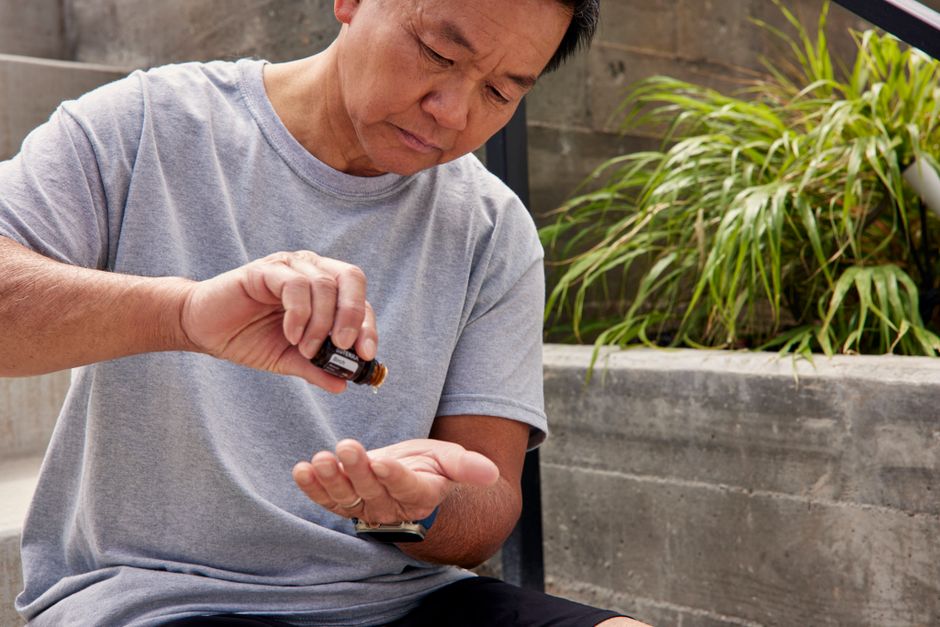
Tea tree oil, apple cider vinegar, garlic, and coconut oil are widely promoted online. The evidence for most of these is limited. Some small studies suggest tea tree oil has antifungal activity in a lab dish, but lab activity does not automatically translate into a cure on human skin. No large human trials confirm that these remedies reliably clear a fungal infection.
If you want to try one alongside standard treatment, that is a personal choice. Do not use it instead of a proven antifungal, and do not apply undiluted essential oils to broken skin.



What Kills Fungus On Surfaces?
On hard, non-porous surfaces, the reliable approach is an EPA-registered disinfectant labeled as effective against fungi. The word to look for is “fungicidal” on the product label, or a specific fungal claim.
Disinfectants that commonly carry antifungal claims include:
- Bleach solutions — effective when mixed and used correctly and left wet for the required time.
- Quaternary ammonium compounds — common in household and hospital disinfectants.
- Hydrogen peroxide-based products — some formulations carry antifungal claims.
- Alcohols — effective against many fungi but evaporate quickly, which can shorten contact time.
The detail that trips most people up is contact time. This is how long the surface must stay visibly wet for the product to work. It is printed on the label and varies widely by product. Spraying a surface and wiping it dry immediately does very little.
Read the label and follow it. Do not mix products. Mixing bleach with ammonia or with vinegar can create dangerous fumes.
How Long Does A Disinfectant Need To Stay Wet?
There is no single number. Contact time depends entirely on the specific product and the organism it claims to kill. It can range from under a minute to ten minutes or more. The only reliable source is the label on the bottle in your hand.
Two practical points:
- If the surface dries before the contact time is up, you may need to reapply.
- Heavy dirt or soap residue can reduce how well a disinfectant works. Clean first, then disinfect.
This is a case where following the label is not optional. The label reflects the testing the manufacturer submitted to regulators. Guessing at contact time undermines the whole process.
How Do You Stop Fungus From Coming Back?
Killing the fungus is only half the job. Recurrence is common because the conditions that allowed it to grow are still there.
On skin, that means keeping the area clean and dry. Fungi thrive in warm, moist environments. Sweaty socks, damp shoes, and shared locker room floors are classic sources of reinfection. Change socks daily, dry thoroughly between the toes, and avoid sharing towels or footwear.
On surfaces, moisture is again the driver. Fix leaks, improve ventilation, and dry damp areas promptly. Mold and mildew return wherever water sits.
For recurring skin infections, it is worth seeing a clinician. What looks like a stubborn fungus is sometimes a different condition that will not respond to antifungals at all. A correct diagnosis saves months of guessing.
When Should You See A Doctor?
See a clinician if a skin infection is spreading, painful, oozing, or not improving after a reasonable course of treatment. Also see one if you have diabetes, a weakened immune system, or poor circulation, because fungal infections can become more serious in these groups.
Nail infections, scalp infections, and any infection near the eyes or on the face deserve professional evaluation rather than self-treatment. Some require oral medication that only a clinician can prescribe.
For surfaces, there is no doctor to call. The equivalent step is reading the product label carefully and choosing a disinfectant with an actual antifungal claim. If a product only says “kills germs” without listing fungi, treat that as marketing, not a guarantee.
Frequently Asked Questions
Does vinegar kill fungus on skin?
Vinegar has shown some antifungal activity in laboratory studies, but there is no strong clinical evidence that it reliably clears a fungal skin infection. It should not replace a proven antifungal medication.
How long do you have to leave disinfectant on a surface to kill fungus?
It depends on the specific product, and the required contact time is printed on the label. The surface must stay visibly wet for that entire time to work.
Can I use the same product on my skin and on surfaces?
No. Surface disinfectants are not formulated or approved for use on skin, and skin antifungals are not designed to disinfect surfaces. Use each product only as its label directs.
Why does my fungal infection keep coming back?
Recurrence usually happens because treatment stopped too early or because the moist conditions that allowed the fungus to grow were never fixed. Finishing the full course and keeping the area dry both matter.
