
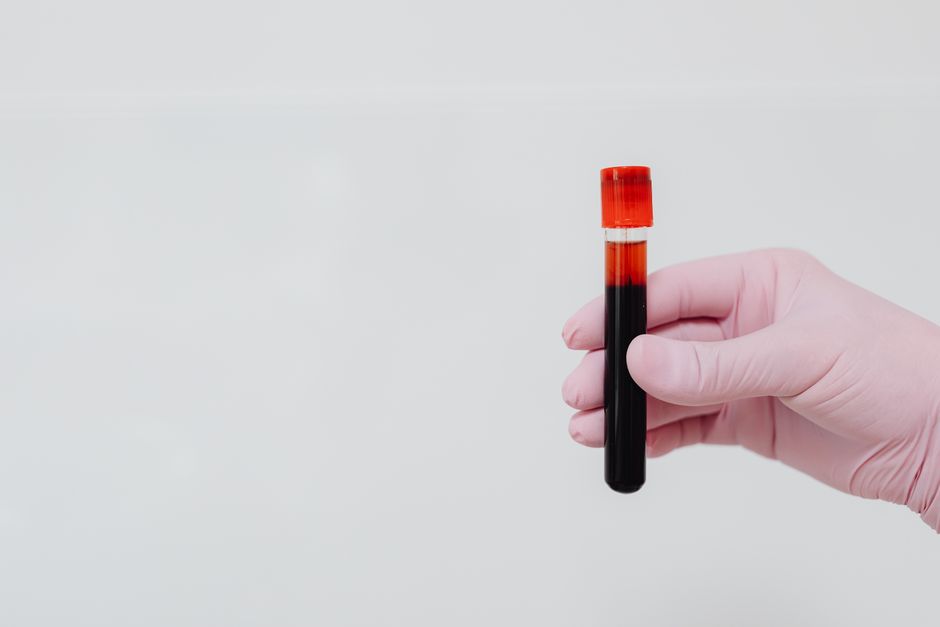
White blood cells are your immune system’s frontline defense. They find and destroy infections, viruses, and other threats before they make you sick. When your count drops too low, your body loses that protection. Raising your white blood cell count depends entirely on why it is low in the first place — treating an underlying infection, adjusting a medication, or addressing a nutritional deficiency are the real solutions, not a single food or supplement.
What Does a Low White Blood Cell Count Actually Mean?
Doctors measure white blood cells with a complete blood count (CBC) test. A normal range is generally between 4,000 and 11,000 cells per microliter of blood. A count below 4,000 is considered low, a condition called leukopenia.
Your white blood cells are not all the same. Neutrophils fight bacterial infections and are the most common type. Lymphocytes handle viral threats. Monocytes clean up dead cells. Eosinophils respond to parasites and allergies. Basophils are involved in inflammation.
When your total count is low, your doctor will look at which specific type is depleted. Low neutrophils alone — a condition called neutropenia — carries the highest infection risk. That distinction matters because the cause and treatment differ depending on which cell line is affected.
A single low reading does not automatically mean you are in danger. Mild dips happen during viral infections and often resolve on their own. Your doctor will likely repeat the test to confirm the finding before recommending any action.
What Causes White Blood Cell Counts to Drop?
Several distinct mechanisms can lower your white blood cell count. Your bone marrow may stop producing enough cells. The cells may be destroyed faster than they are made. Or they may be trapped in the spleen or other tissues instead of circulating in your blood.
The most common causes include:
- Viral infections — Many viruses temporarily suppress bone marrow production. HIV is a well-known cause, but even ordinary viruses like influenza can cause a temporary dip.
- Medications — Chemotherapy is the best-known culprit, but antibiotics, anticonvulsants, and drugs used for autoimmune conditions can also lower counts.
- Bone marrow disorders — Conditions like leukemia, myelodysplastic syndromes, or aplastic anemia directly impair cell production.
- Autoimmune diseases — Lupus, rheumatoid arthritis, and similar conditions can cause the immune system to attack its own white blood cells.
- Nutritional deficiencies — Low levels of vitamin B12, folate, or copper can impair cell production in the bone marrow.
- Enlarged spleen — The spleen filters blood cells. When it enlarges due to liver disease or other conditions, it can trap white blood cells and keep them out of circulation.
Cancer treatments like radiation therapy can also suppress bone marrow activity. The cause determines the treatment. That is why no single dietary change or supplement works for everyone with a low count.
How Do You Increase White Blood Cells? Start With the Cause
The most direct answer is that you increase white blood cells by fixing the underlying problem. If a medication is causing the drop, your doctor may change the dose or switch drugs. If an infection is responsible, treating the infection usually restores normal production. If a nutritional deficiency exists, correcting it can raise your count.
For people undergoing chemotherapy, doctors sometimes prescribe medications called growth factors — drugs like filgrastim (Neupogen) or pegfilgrastim (Neulasta). These are synthetic versions of proteins your body naturally produces to stimulate bone marrow to make more neutrophils. They are given by injection and are reserved for people with dangerously low counts or high infection risk.
There is no over-the-counter pill that reliably raises white blood cell counts. The supplement market is full of products claiming to “support immune health,” but no large clinical trial has confirmed that any of them meaningfully increases white blood cell production in someone with a genuinely low count.
Can Diet Alone Raise White Blood Cell Counts?
A healthy diet supports immune function, but it cannot fix a bone marrow disorder or counteract chemotherapy. If your low count comes from a specific nutritional deficiency, then correcting that deficiency is the direct treatment.
Vitamin B12 and folate are the most relevant nutrients. Both are required for DNA synthesis and cell division. Without enough of either, your bone marrow cannot produce cells efficiently. Good sources of B12 include meat, fish, eggs, and dairy. Folate is found in leafy green vegetables, beans, and fortified grains.
Copper deficiency is less common but also linked to low white blood cell counts. Copper is found in shellfish, nuts, seeds, and organ meats.
Protein matters too. White blood cells are made of protein, and severe protein malnutrition impairs immune function. This is rarely a concern for healthy adults in developed countries, but it can be relevant for older adults with poor appetite or people with digestive disorders that impair nutrient absorption.
Research published in the American Journal of Clinical Nutrition has shown that specific nutrient deficiencies impair immune cell function. However, no study has demonstrated that eating extra of any single food raises white blood cell counts in someone who is not deficient. If your blood tests show normal nutrient levels, eating more of these foods will not push your white blood cell count higher.
What About Supplements and Herbal Remedies?
Several supplements are marketed for immune support, but the evidence for raising white blood cell counts is thin.
Zinc is essential for immune cell development and function. Severe zinc deficiency does impair immunity. However, zinc supplementation has not been shown to raise white blood cell counts in people who are not deficient. Taking too much zinc — more than 40 mg per day for adults — can actually suppress immune function and cause copper deficiency, which lowers white blood cell counts.
Vitamin C is frequently promoted for immunity. While vitamin C supports various immune functions, no clinical evidence confirms that it increases white blood cell production. The same applies to elderberry, echinacea, and other herbal immune products. They may influence immune activity in some ways, but raising a low white blood cell count is not a proven effect.
Some research has examined supplements like astragalus and reishi mushroom for immune effects. The evidence is preliminary and mostly from small studies or animal models. No large human trials have confirmed that these products raise white blood cell counts in people with leukopenia. Some clinicians do recommend them as adjuncts during chemotherapy, but this is not an evidence-based standard of care.
Be cautious with any product claiming to “boost” white blood cells. If a supplement genuinely stimulated significant cell production, it would be a prescription drug with dosing guidelines and side effect warnings — not a shelf product with vague label claims.
When Is a Low Count Dangerous?
A mildly low count with no symptoms often requires no immediate treatment beyond monitoring. The real danger is infection. Without enough neutrophils, your body cannot mount an effective defense against bacteria.
Fever is the most important warning sign. If you have a low white blood cell count and develop a fever, this is a medical emergency. You may need immediate evaluation and possibly intravenous antibiotics. Do not wait to see if the fever resolves on its own.
Other signs of infection to watch for include sore throat, cough, chills, skin redness or swelling, and diarrhea. Because your immune system is impaired, infections can escalate quickly.
Your doctor will tell you how low is too low for your specific situation. A neutrophil count below 500 cells per microliter is considered severe neutropenia and carries substantial infection risk. Between 500 and 1,000 is moderate risk. Above 1,000, the risk is lower, though still elevated compared to normal.
If you are undergoing chemotherapy, your oncology team will monitor your counts closely and may adjust your treatment schedule if your count drops too low. Growth factor injections are commonly used in this situation to shorten the period of severe neutropenia.
Practical Steps That Support Recovery
While you cannot force your bone marrow to produce more cells through lifestyle alone, you can protect yourself during a low-count period.
Practice good hand hygiene. Wash hands frequently with soap and water. Avoid crowded places during cold and flu season. Stay away from people who are actively sick. Cook meat thoroughly and wash fruits and vegetables to reduce the risk of foodborne infection.
Get adequate sleep. Sleep deprivation has measurable effects on immune function, though its impact on white blood cell counts specifically is less clear. Still, sleep supports overall health and recovery.
Manage stress where you can. Chronic stress elevates cortisol, which can suppress immune activity over time. The research on stress and white blood cell counts is mixed, but stress reduction is reasonable for general health.
Stay current on recommended vaccines — but ask your doctor first. Live vaccines are generally not given to people with severely low white blood cell counts because they can cause infection in an immunocompromised person. Inactivated vaccines may be appropriate, but timing matters.
Follow your doctor’s monitoring schedule. Regular blood tests track whether your count is recovering, stable, or declining. That information guides treatment decisions.
Can You Raise White Blood Cells Naturally After Chemotherapy?
After chemotherapy, your bone marrow typically recovers on its own over time. The timeline varies by the specific drugs used and your overall health. Counts usually begin recovering within two to four weeks after treatment ends, but this is a general pattern and not a guarantee.
Nutritional support during this period focuses on providing the building blocks your bone marrow needs. Adequate protein, calories, and key vitamins help your body rebuild. But no food or supplement has been proven to accelerate bone marrow recovery beyond what your body does naturally.
Your oncology team will monitor your counts and decide if growth factor support is needed. Some patients benefit from these medications to shorten the period of highest infection risk. This decision is based on your specific blood counts, the type of chemotherapy you received, and your individual risk profile.
Frequently Asked Questions
What foods increase white blood cells quickly?
No food increases white blood cells quickly. If a nutritional deficiency is causing your low count, correcting it with foods rich in vitamin B12, folate, or copper can help over weeks, not hours or days.
Can stress cause low white blood cell count?
Chronic stress can influence immune function, but it is not a common primary cause of a clinically low white blood cell count. If your count is low, your doctor will look for infections, medications, or bone marrow conditions first.
Is a white blood cell count of 3.5 dangerous?
A count of 3.5 (or 3,500 cells per microliter) is below the normal range but not automatically dangerous. Your doctor will consider your overall health, which specific white blood cell types are low, and whether you have symptoms or infection risk factors.
How long does it take for white blood cells to return to normal?
It depends on the cause. Counts often recover within weeks after a viral infection resolves or after stopping a culprit medication. Recovery from chemotherapy typically takes two to four weeks or longer depending on the treatment regimen.
