
Varicella, commonly known as chickenpox, is caused by the varicella-zoster virus. You get it through direct contact with the fluid from a chickenpox blister or through airborne droplets when an infected person coughs or sneezes. The virus is highly contagious and can spread to others from about two days before the rash appears until all the blisters have crusted over, which typically takes about five to seven days.
How Does the Varicella Virus Spread?
The varicella-zoster virus spreads from person to person in two main ways. The first is through respiratory droplets. When someone with chickenpox coughs or sneezes, tiny virus-containing droplets travel through the air. If you breathe those in, the virus can enter your respiratory tract and begin an infection.
The second way is through direct contact. Chickenpox blisters fill with fluid that contains live virus. Touching the rash directly, or touching clothing, bedding, or other items that have come into contact with the fluid, can transfer the virus to your hands. From there, touching your mouth, nose, or eyes can introduce the virus into your body.
In rare cases, the virus can also spread through contact with the saliva of someone who has chickenpox, such as through kissing or sharing food and drinks. The virus does not survive long outside the body, so indirect transmission through surfaces is less common than direct person-to-person spread, but it is still possible.
When Is a Person with Chickenpox Contagious?
A person with chickenpox becomes contagious about one to two days before the rash appears. This is a key reason the virus spreads so easily. People often feel fine or have only mild symptoms like a low fever or tiredness during this period, so they do not know they are infectious.
The contagious period continues until all the blisters have dried and crusted over. This usually takes five to seven days after the rash first appears. Once every single blister has formed a scab, the person is no longer considered contagious. Until that point, they should stay home and avoid contact with people who have not had chickenpox or the vaccine.
How Do You Get Varicella from Shingles?
Shingles, also called herpes zoster, is caused by the same virus that causes chickenpox. After a person recovers from chickenpox, the virus stays dormant in nerve tissue near the spinal cord and brain. Years or decades later, the virus can reactivate and cause shingles, which appears as a painful, blistering rash usually on one side of the body.
Here is the important distinction: you cannot catch shingles from someone who has shingles. However, a person who has never had chickenpox or the chickenpox vaccine can catch chickenpox from someone with active shingles. This happens through direct contact with the fluid in the shingles blisters. If that fluid touches your skin and you have no immunity, the varicella-zoster virus can enter your body and cause chickenpox, not shingles.
Shingles is not spread through coughing or sneezing. The virus in shingles blisters is only transmitted through direct contact with the rash. Once the shingles rash crusts over, the person is no longer contagious.





Who Is Most at Risk for Getting Chickenpox?
Anyone who has not had chickenpox and has not been vaccinated against it is at risk. In the United States, routine vaccination has made chickenpox far less common than it was in past decades. Before the vaccine was introduced in 1995, nearly everyone in the United States got chickenpox by adulthood.
People at higher risk of severe illness include:
- Newborns and infants whose mothers have not had chickenpox or the vaccine
- Pregnant women who have never had chickenpox
- People with weakened immune systems from conditions like HIV, cancer treatment, or organ transplantation
- People taking medications that suppress the immune system, such as long-term steroids
For healthy children, chickenpox is usually a mild illness. But it can still cause complications like bacterial skin infections, pneumonia, or inflammation of the brain. The risk of complications is higher in adults and in people with weakened immune systems.
Can You Get Chickenpox More Than Once?
Getting chickenpox twice is possible but very rare. Most people who recover from chickenpox develop lifelong immunity. The immune system produces antibodies that recognize the virus and prevent a second infection in the vast majority of cases.
However, the virus itself never leaves the body. It remains dormant in nerve tissue, and reactivation causes shingles, not a second case of chickenpox. A person who has been vaccinated can also develop a mild case of chickenpox, called breakthrough varicella. This is usually much milder than a natural infection, with fewer blisters, lower fever, and a shorter illness.
How Can You Prevent Getting Varicella?
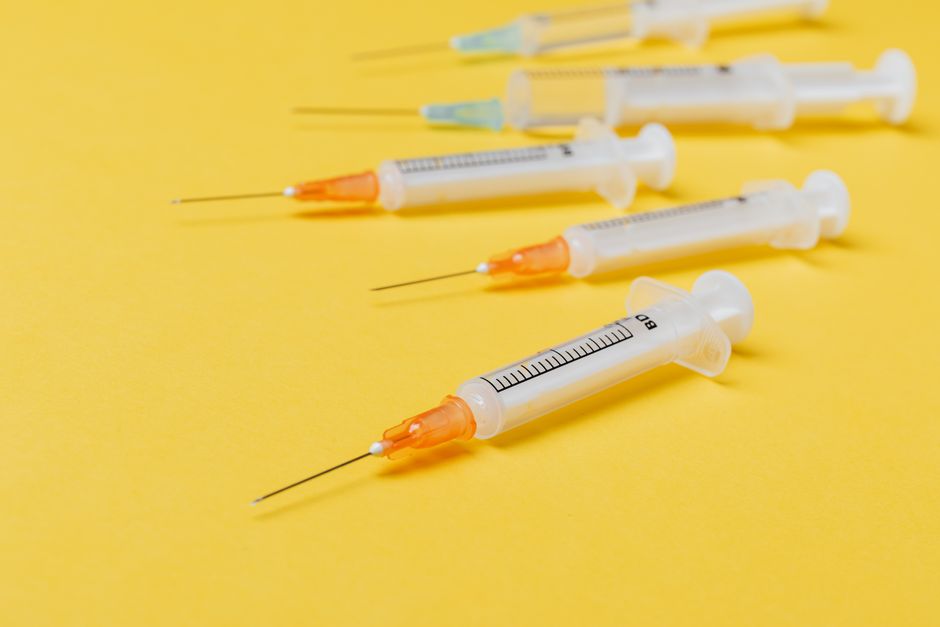
The most effective way to prevent chickenpox is vaccination. The varicella vaccine is a live attenuated vaccine, meaning it contains a weakened form of the virus that triggers an immune response without causing illness in healthy people. It is given in two doses, with the second dose typically administered four to six weeks after the first for children, though schedules can vary by age.
The vaccine is highly effective. Two doses of the vaccine are about 92 percent effective at preventing chickenpox entirely. Even when vaccinated people do get chickenpox, the illness is significantly milder than in unvaccinated people.
For people who are not vaccinated and have been exposed to chickenpox, there are some options. The varicella vaccine can be given within three to five days of exposure and may prevent or reduce the severity of the illness. This is called post-exposure prophylaxis. For people who cannot receive the vaccine, such as pregnant women or those with weakened immune systems, a medication called varicella-zoster immune globulin may be given. This provides temporary passive immunity and can reduce the severity of the disease if given soon after exposure.
Antiviral medications like acyclovir can also be used to treat chickenpox, especially in people at high risk of complications. These medications work best when started within 24 hours of the rash appearing, but they are not routinely recommended for otherwise healthy children with uncomplicated chickenpox.
What Should You Do If You Think You Have Been Exposed?
If you have been exposed to chickenpox and you are not sure whether you are immune, the first step is to check your vaccination history. If you have received two doses of the varicella vaccine, you are considered immune and your risk of getting sick is very low.
If you have had chickenpox in the past, you are also considered immune. A blood test can confirm immunity if you are uncertain, though this is not usually necessary unless you are in a high-risk group such as pregnancy or planning to become pregnant.
If you are not immune and have been exposed, contact your healthcare provider promptly. They can advise you on whether post-exposure vaccination or immune globulin is appropriate for your situation. The decision depends on your age, health status, and how recently the exposure occurred.
If you do develop symptoms, the earliest signs are often fever, tiredness, and loss of appetite. The rash typically appears one to two days later, starting as small red bumps that quickly become fluid-filled blisters. The rash usually begins on the face, scalp, or trunk and then spreads to the rest of the body.
Frequently Asked Questions
Can you get chickenpox from being in the same room as someone?
Yes, if that person has active chickenpox and coughs or sneezes, the virus can travel through the air and infect you.
How long after exposure do chickenpox symptoms appear?
Symptoms usually appear 10 to 21 days after exposure, with most people developing the rash about 14 to 16 days later.
Is it safe to be around someone with shingles if I had chickenpox as a child?
Yes, if you have had chickenpox, you are already carrying the virus and cannot catch it again from shingles blisters.
Can adults get chickenpox if they never had it as children?
Yes, adults who have never had chickenpox and have not been vaccinated can get it, and they are at higher risk for severe complications.
