
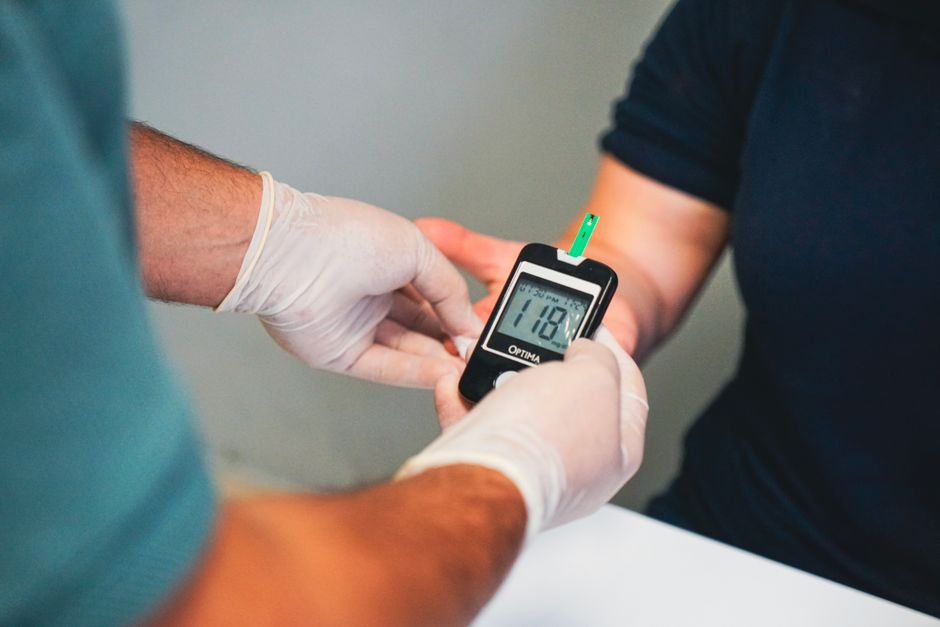
Gluten sensitivity testing starts with a blood test, not a guess. If you suspect gluten is causing symptoms, the first step is usually a celiac disease blood panel while you are still eating gluten. If celiac disease is ruled out, a doctor may diagnose non-celiac gluten sensitivity based on your symptoms and how they respond to a gluten-free diet. There is no single lab test that confirms gluten sensitivity on its own.
How Do You Get Tested For Gluten Sensitivity?
Testing follows a sequence, and the order matters. Doctors first rule out celiac disease, because it is a well-defined autoimmune condition with reliable tests. Only after celiac disease is excluded does the conversation turn to non-celiac gluten sensitivity.
The reason for this order is practical. Celiac disease causes real intestinal damage and carries long-term health risks if missed. Non-celiac gluten sensitivity does not show that same damage. So the tests that can detect celiac disease come first, and they are the most reliable tools available.
Here is what the process typically looks like:
- You describe your symptoms and eating patterns to a doctor.
- The doctor orders celiac blood tests while you are still eating gluten.
- Depending on results, a referral to a gastroenterologist may follow.
- If celiac disease is ruled out, a supervised gluten-free trial helps clarify whether gluten is the trigger.
One point trips up a lot of people. Going gluten-free before testing can make the results unreliable. If you have already cut gluten, tell your doctor. They may want you to eat gluten again for a period before testing, and they will advise you on how to do that safely.
What Blood Tests Are Used to Check for Celiac Disease?
The main screening tool is a group of antibody blood tests. These measure how your immune system reacts to gluten. The most commonly used test looks for tissue transglutaminase IgA antibodies, often written as tTG-IgA.
Doctors usually order this alongside a total IgA level. That second test matters because some people have an IgA deficiency, which can make the tTG-IgA result falsely low. Checking total IgA helps catch that problem. Some labs also run other antibody tests, such as endomysial or deamidated gliadin antibodies, depending on the situation.
These tests are only accurate if you are eating gluten at the time. The immune response fades when gluten is removed, so antibodies can drop below detectable levels. That is why testing while on a normal gluten-containing diet is essential.
A positive antibody test does not confirm celiac disease by itself. It flags that further evaluation is needed. A negative test in someone who is eating gluten makes celiac disease much less likely, though no test is perfect.
Why Do You Need to Keep Eating Gluten Before Testing?
Gluten must be in your diet for the tests to work. This applies to both blood tests and the intestinal biopsy used to confirm celiac disease. The immune system only produces the antibodies being measured when it is regularly exposed to gluten.
How much gluten and for how long is a question best answered by your doctor. General clinical guidance involves eating gluten daily for several weeks before testing, but the exact amount and duration should come from the clinician ordering the test. This is not something to decide on your own, especially if your symptoms are severe.
If you stopped eating gluten before talking to a doctor, do not restart it on your own without medical advice. Your doctor can guide you on whether a gluten challenge is appropriate and how to manage it. This is one of those areas where the plan needs to fit your specific situation.
When Is an Intestinal Biopsy Needed?
An intestinal biopsy is often the next step when blood tests suggest celiac disease. It involves an endoscopy, where a doctor uses a thin tube with a camera to look at the small intestine and take small tissue samples. A pathologist then examines the samples for the characteristic damage celiac disease causes to the intestinal lining.
The biopsy has long been considered the standard for confirming celiac disease in adults. In some cases, particularly in children, doctors may rely on very high antibody levels combined with other findings instead of a biopsy. Guidance on this has evolved, so the approach can vary.
A biopsy is not used to diagnose non-celiac gluten sensitivity. That condition does not produce the same intestinal damage, so there is nothing distinctive for a pathologist to see. If your biopsy is normal and your blood tests are negative, celiac disease is unlikely, and the focus shifts to other possible causes.
How Is Non-Celiac Gluten Sensitivity Diagnosed?
There is no blood test, biopsy, or scan that confirms non-celiac gluten sensitivity. Diagnosis rests on a clinical process. A doctor confirms celiac disease is not the cause, then assesses whether symptoms improve on a gluten-free diet and return when gluten is reintroduced.
This process is more reliable when it is structured. A supervised gluten-free trial followed by a deliberate reintroduction gives clearer information than cutting gluten on a whim and guessing at the results. The reintroduction step is what separates a true sensitivity from a coincidence or a placebo response.
It is worth knowing that research into non-celiac gluten sensitivity is still developing. Some studies suggest that not everyone who reacts to wheat is reacting to gluten specifically. Other components of wheat, or even expectations, may play a role in some people. The condition is real and recognized, but the biology is not fully mapped. That is an honest statement of where the science stands.
What Other Conditions Can Look Like Gluten Sensitivity?
Symptoms blamed on gluten can have other causes. This is a big reason testing matters. A doctor will often consider other possibilities before settling on gluten sensitivity.
- Wheat allergy — a true allergic reaction to wheat proteins, distinct from celiac disease and gluten sensitivity, and diagnosed with allergy testing.
- Irritable bowel syndrome — can cause bloating, gas, and changes in bowel habits that overlap with gluten sensitivity symptoms.
- FODMAP sensitivity — wheat contains fermentable carbohydrates that some people struggle to digest, which can cause symptoms unrelated to gluten itself.
This overlap is why self-diagnosis is unreliable. Two people with the same symptoms might have completely different underlying causes. A proper evaluation sorts this out and prevents people from cutting out foods they do not need to avoid.
Can You Test for Gluten Sensitivity at Home?
Home test kits for gluten sensitivity exist, but they have serious limits. Some check for celiac antibodies using a finger-prick blood sample. Others claim to measure food sensitivities through other methods. The evidence behind most food sensitivity tests is weak, and no home test can diagnose non-celiac gluten sensitivity.
A home antibody kit may give a result, but interpreting it without a doctor is risky. A positive result needs proper medical follow-up. A negative result does not rule out celiac disease on its own. The tests that do have solid evidence behind them are best ordered and interpreted by a clinician.
Be cautious with any product that promises to identify gluten sensitivity from a single sample. No clinical evidence currently confirms that these tests can diagnose the condition. If a company claims otherwise, ask what study supports it. In most cases, there is not one.
What Should You Do Before Your Appointment?
Keep eating gluten unless your doctor tells you otherwise. That single step protects the accuracy of your tests. Write down your symptoms, when they happen, and what you eat, so you can give your doctor a clear picture.
Bring a list of any medications and supplements you take. Note whether anyone in your family has celiac disease, since family history raises your risk. Ask directly which tests are being ordered and what the results will mean.
The goal of testing is not to label you. It is to find the real cause of your symptoms so you can address it correctly. That is worth a little patience with the process.
Frequently Asked Questions
Can you be tested for gluten sensitivity while off gluten?
Testing is much less reliable if you are not eating gluten, because the antibodies being measured fade without exposure. Tell your doctor if you have already stopped, and they will advise whether to resume gluten before testing.
Is there a single test that confirms gluten sensitivity?
No. There is no single test that confirms non-celiac gluten sensitivity. Doctors rule out celiac disease with blood tests and sometimes a biopsy, then assess symptoms during a supervised gluten-free trial.
How long do you need to eat gluten before a celiac test?
Clinical guidance generally involves eating gluten daily for several weeks before testing, but the exact amount and duration should come from your doctor. Do not restart gluten on your own without medical advice.
Can a home test diagnose gluten sensitivity?
No home test can diagnose non-celiac gluten sensitivity, and the evidence behind most food sensitivity kits is weak. A positive home antibody result still needs proper medical follow-up.
