
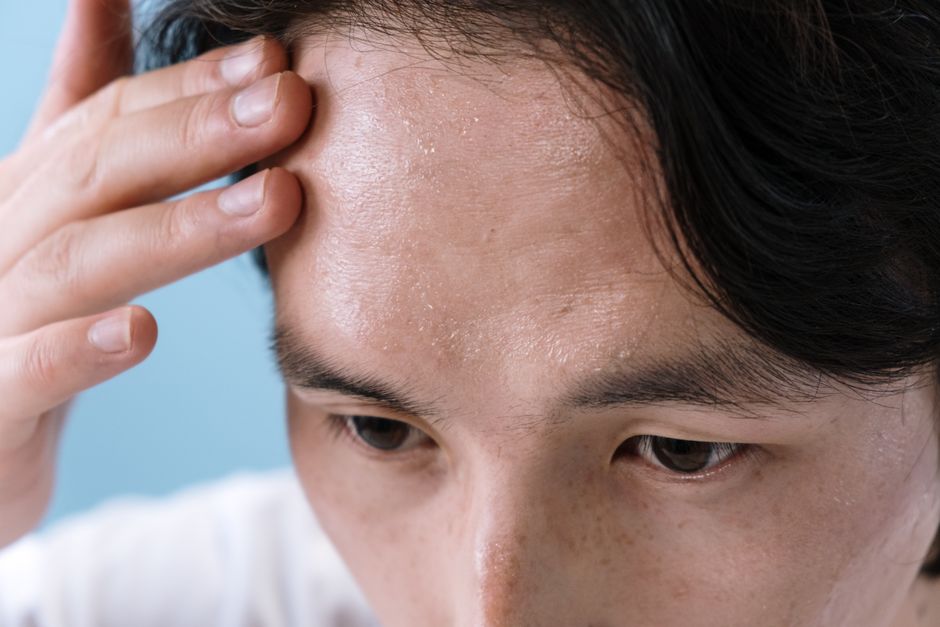
Seborrheic dermatitis is not contagious and you cannot catch it from someone else. It develops when a yeast that normally lives on everyone’s skin, Malassezia, triggers an inflammatory reaction in people whose skin and immune system respond to it. Genetics, hormones, stress, and certain health conditions can make that reaction more likely or more severe.
It shows up most often as flaking and redness on the scalp, eyebrows, sides of the nose, and sometimes the chest. Many people assume it means their skin is dirty or that they are doing something wrong. Neither is true. Understanding what actually drives it makes the condition far less mysterious.
How Do You Get Seborrheic Dermatitis Causes Risks?
You do not “get” seborrheic dermatitis from a single source. It emerges from an interaction between a yeast, your skin’s oil production, and your immune system’s response to both. The Malassezia yeast is present on almost every adult’s skin. What differs is how the body reacts to it.
Seborrheic dermatitis tends to appear in areas with many oil glands: the scalp, the T-zone of the face, the eyebrows, the area behind the ears, and the center of the chest. These are the same places where Malassezia thrives, because the yeast feeds on sebum, the oil your skin produces.
The reaction is inflammatory, not infectious. Your immune system responds to the yeast and its byproducts, and that response produces the redness, flaking, and itching. This is why antifungal treatments help many people: they reduce the yeast load, which reduces the trigger.
One detail that surprises people: seborrheic dermatitis is not the same as dandruff, though they exist on a spectrum. Dandruff is flaking of the scalp without significant inflammation. Seborrheic dermatitis involves visible redness and inflammation, and it can affect skin beyond the scalp. Some clinicians view them as points on the same continuum rather than separate diseases.
What Role Does the Malassezia Yeast Play?
Malassezia is a normal part of the skin’s microbiome. It is not an infection you need to eliminate, and you could not eliminate it completely even if you tried. The problem is the immune reaction, not the yeast’s presence alone.
Research consistently shows that people with seborrheic dermatitis tend to have a heightened inflammatory response to Malassezia. The yeast breaks down sebum into free fatty acids and other compounds, and in susceptible people these trigger irritation. Some studies suggest differences in how the skin barrier functions in affected individuals, which may allow more of these compounds to penetrate and provoke a reaction.
This is why antifungal shampoos and creams are a mainstay of treatment. They do not sterilize the skin. They lower the yeast population enough to calm the inflammatory cycle. When treatment stops, the yeast repopulates and symptoms often return, which is why seborrheic dermatitis tends to be a long-term, manageable condition rather than something cured once and forgotten.
Who Is More Likely to Develop Seborrheic Dermatitis?
Seborrheic dermatitis is common, affecting a large share of adults at some point. Certain factors make it more likely, and understanding them helps people see the condition as a manageable pattern rather than a personal failing.
- Age and hormones. It is most common in infancy (as cradle cap) and again in adulthood, especially between the teens and middle age when oil production is higher. In adults it often peaks in midlife.
- Oily skin type. More sebum gives the yeast more to feed on. People with naturally oily skin tend to be more prone.
- Family history. Seborrheic dermatitis runs in families, which points to genetic differences in immune response and skin barrier function.
- Stress. Many people notice flares during stressful periods. The link is well recognized in clinical practice, though the exact mechanism is not fully understood.
- Weather. Flares are often worse in cold, dry months and improve in summer, though this varies by person.
- Certain health conditions. Seborrheic dermatitis is more common and often more severe in people with Parkinson’s disease, and in people with weakened immune systems, including those with advanced HIV. It also appears more often in some neurological conditions.
- Medications. Some drugs, including certain antipsychotics and lithium, are associated with flares.
The connection to Parkinson’s disease and immune suppression is well documented. It is one reason a sudden, severe, or unusually widespread case may prompt a clinician to look at the broader health picture. That does not mean most people with seborrheic dermatitis have an underlying illness. Most do not.
Is Seborrheic Dermatitis Contagious or Caused by Poor Hygiene?
No. Seborrheic dermatitis is not contagious, and it is not caused by poor hygiene. You cannot pass it to another person, and washing more vigorously will not make it go away.
The hygiene myth causes real distress. People with visible flaking on the scalp, eyebrows, or face sometimes assume others think they are unclean. The opposite is closer to the truth: the condition is driven by oil production and immune response, both largely outside a person’s control.
In fact, harsh scrubbing and strong soaps can make things worse by irritating the skin barrier. Gentle cleansing is generally recommended. The goal is to remove excess oil and scale without damaging the skin.
The same applies to the yeast itself. Because Malassezia lives on nearly everyone, its presence is not a sign of poor hygiene. It is normal skin flora. The condition reflects how a particular person’s skin reacts to it.
What Triggers Flares and What Are the Risks of Leaving It Untreated?
Triggers vary from person to person, but several are commonly reported. Stress, cold and dry weather, fatigue, and skipping regular treatment are frequent culprits. Some people notice flares after illness or during periods of poor sleep.
Left untreated, seborrheic dermatitis is not dangerous in itself. It does not spread to internal organs or cause systemic harm. The main risks are the ones that affect daily life:
- Discomfort. Itching and irritation can be persistent and distracting.
- Skin changes. Scratching can lead to irritation, and in some cases secondary bacterial infection of broken skin. This is uncommon but worth watching for.
- Hair concerns. Severe, long-standing scalp inflammation has been associated with temporary hair shedding in some people, though this is not the same as permanent hair loss.
- Emotional impact. Visible flaking and redness on the face and scalp can affect confidence and quality of life. This is a real and recognized effect, not a minor concern.
One non-obvious point: seborrheic dermatitis in infants, called cradle cap, is very common and usually clears on its own within months. It looks alarming to many parents but is generally harmless. In adults, the condition tends to come and go over years, and managing it is about control rather than elimination.
How Is Seborrheic Dermatitis Treated and Managed?
Treatment focuses on reducing the yeast and calming inflammation. It is a management approach, not a cure, and most people need ongoing or intermittent care to keep symptoms controlled.
Common approaches include antifungal shampoos and creams containing ingredients such as ketoconazole, selenium sulfide, zinc pyrithione, or ciclopirox. Some clinicians also recommend anti-inflammatory options, including mild topical corticosteroids for short-term flare control. Which approach suits a given person depends on the location and severity, and a clinician can help match treatment to the situation.
For many people, the key to control is consistency. Using an antifungal shampoo on a regular schedule, even when symptoms are quiet, often works better than waiting for a flare and then treating it hard. This maintenance approach is widely used in clinical practice, though individual regimens vary.
General skin care matters too. Gentle cleansing, avoiding harsh products, and not scratching help protect the skin barrier. Managing stress and getting adequate sleep may reduce flare frequency for some people, though the evidence for these measures is more about general skin health than a proven direct effect on seborrheic dermatitis.
If symptoms are severe, widespread, or not responding to over-the-counter options, seeing a clinician is reasonable. A healthcare provider can confirm the diagnosis, rule out conditions that look similar, and discuss prescription options. Seborrheic dermatitis can resemble other skin conditions, including psoriasis and eczema, and the treatments differ.
Frequently Asked Questions
Is seborrheic dermatitis contagious?
No, it is not contagious and cannot be passed from person to person. The yeast involved lives on nearly everyone’s skin and is not an infection in the usual sense.
Can poor hygiene cause seborrheic dermatitis?
No, hygiene does not cause it. The condition is driven by oil production and the immune system’s response to a normal skin yeast, and harsh scrubbing can actually irritate the skin further.
Does seborrheic dermatitis ever go away completely?
It can clear for periods, but it often returns and is generally managed as a long-term condition. Consistent treatment tends to keep symptoms under control rather than eliminate the condition permanently.
When should I see a doctor for seborrheic dermatitis?
See a clinician if symptoms are severe, widespread, or not improving with over-the-counter treatment. A provider can confirm the diagnosis and rule out conditions that look similar but need different care.
