
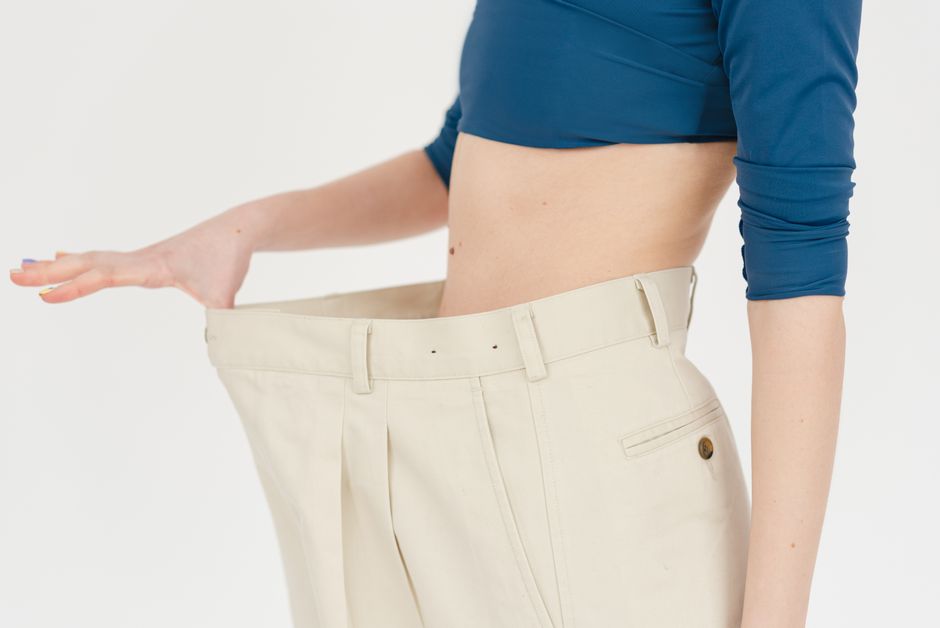
Menopausal belly fat is not just about calories or willpower. Hormonal changes during perimenopause and menopause shift where your body stores fat, making abdominal weight gain stubborn and frustrating. Getting rid of it requires a targeted approach that addresses hormone shifts, muscle loss, sleep quality, and stress — not just diet and exercise alone.
Why Does Menopause Cause Belly Fat?
Estrogen levels drop significantly during menopause. This hormone does more than regulate reproduction — it influences where your body deposits fat. When estrogen declines, your body tends to store more fat in the abdomen rather than the hips and thighs.
This is not a cosmetic issue. Belly fat, especially the visceral fat that surrounds your organs, is metabolically active. It produces inflammatory compounds that increase risk for heart disease, type 2 diabetes, and other chronic conditions. Understanding this shift helps explain why the same eating and exercise habits that worked in your 30s may not work in your 50s.
Insulin sensitivity also changes during menopause. Many women find their blood sugar response to carbohydrates is less efficient than it used to be. This means the body may store more calories as fat, particularly around the middle, even when total calorie intake stays the same.
Does Diet Alone Get Rid of Menopausal Belly Fat?
Diet matters, but extreme restriction usually backfires. Severely cutting calories triggers a stress response that raises cortisol, a hormone that promotes abdominal fat storage. Crash diets also accelerate muscle loss, which slows your metabolism further.
Research consistently shows that a moderate protein intake helps preserve muscle mass during weight loss. Muscle tissue burns more calories at rest than fat tissue. Protecting your muscle mass becomes increasingly important as you age because natural muscle loss accelerates after age 40.
Fiber is another critical piece. Soluble fiber, found in oats, beans, apples, and carrots, slows digestion and helps regulate blood sugar. Some studies suggest higher fiber intake is associated with less visceral fat accumulation. Aim for fiber from whole foods rather than supplements whenever possible.
What you drink matters too. Sugar-sweetened beverages deliver liquid calories that spike blood sugar without providing fullness. Alcohol is particularly problematic for menopausal belly fat — it adds empty calories and may interfere with sleep, which independently affects weight regulation.
What Type of Exercise Works Best?
Cardio alone is not enough. Strength training is the most effective exercise strategy for menopausal belly fat because it builds and preserves muscle. More muscle means a higher resting metabolic rate, which helps counteract the natural slowdown that comes with aging.
High-intensity interval training, or HIIT, has shown promise in some studies for reducing visceral fat specifically. Short bursts of intense effort followed by brief recovery periods appear to trigger fat-burning responses that steady-state cardio does not. This does not mean you need to do intense workouts daily — two to three sessions per week is reasonable for most people.
A balanced weekly routine might look like this:
- Two to three days of strength training targeting all major muscle groups
- Two to three days of moderate cardio such as brisk walking, cycling, or swimming
- One to two days of HIIT if your fitness level allows
- Daily movement outside of formal exercise — walking, gardening, taking stairs
Consistency beats intensity. A moderate routine you maintain for months will outperform an aggressive routine you abandon after three weeks.





How Does Sleep Affect Menopausal Belly Fat?
Sleep quality often deteriorates during menopause. Night sweats, hot flashes, and increased nighttime awakenings are common. Poor sleep is directly linked to weight gain and abdominal fat accumulation.
The mechanism is hormonal. Sleep deprivation raises ghrelin, the hormone that stimulates hunger, and lowers leptin, the hormone that signals fullness. You feel hungrier and less satisfied after meals. Sleep deprivation also increases cortisol, which promotes fat storage in the abdominal area.
Addressing sleep problems is not optional if you want to lose belly fat. Simple strategies include keeping your bedroom cool, avoiding caffeine after midday, and maintaining a consistent sleep schedule. If night sweats are disrupting your sleep significantly, talk to your doctor about management options.
Does Stress Play a Role?
Chronic stress keeps cortisol levels elevated. Cortisol tells your body to store fat, particularly in the abdomen. This is an evolutionary survival mechanism — the body prepares for a future energy shortage by banking fat centrally.
Menopause itself can be a stressful life transition. Combined with career pressures, caregiving responsibilities, and other midlife demands, stress levels can run high. Stress management is not a luxury — it is a physiological necessity for abdominal fat reduction.
Effective stress reduction does not require an elaborate practice. Walking outdoors, deep breathing exercises, meditation, or simply taking ten quiet minutes daily can lower cortisol. The key is consistency. Stress management is like exercise — it works when you do it regularly, not occasionally.
What About Hormone Replacement Therapy?
Hormone replacement therapy, or HRT, is sometimes discussed in relation to menopausal belly fat. The evidence is mixed. Some studies suggest HRT may help prevent the shift toward abdominal fat deposition, while others show minimal effect on weight.
HRT is not prescribed for weight loss. It is prescribed to manage menopausal symptoms like hot flashes, night sweats, and vaginal dryness. Any effect on body composition is secondary.
If you are considering HRT, this is a conversation for your healthcare provider. They can assess your personal risks and benefits based on your age, health history, and symptom severity. Do not start HRT solely for belly fat reduction — the evidence does not support it as a reliable weight loss tool.
Are There Supplements That Help?
The supplement market is full of products claiming to target menopausal belly fat. No clinical evidence currently confirms that any supplement specifically reduces abdominal fat in menopausal women.
Some supplements are marketed for metabolism support or hormone balance, but results vary and large human trials are lacking. Be cautious about products promising rapid fat loss — they are not supported by credible evidence and may carry risks.
Your money is better spent on whole foods, strength training, and sleep improvement. These strategies have decades of research behind them. Supplements do not.
How Long Does It Take to See Results?
Weight loss during menopause is typically slower than in younger years. A realistic expectation is one to two pounds per week, and even that pace may be optimistic for some women. Abdominal fat is often the last area to change, even when overall weight is trending down.
Focus on non-scale victories. Your clothes fitting differently, improved energy, better sleep, and increased strength are meaningful markers of progress. The scale does not capture muscle gain or fat redistribution.
Consistency over months, not weeks, produces lasting change. Many women see meaningful differences in abdominal measurements after eight to twelve weeks of consistent effort combining strength training, moderate calorie adjustment, and sleep improvement.
Frequently Asked Questions
Can you lose menopausal belly fat without exercise?
Dietary changes alone rarely eliminate menopausal belly fat effectively. Strength training is important because it preserves muscle mass, which keeps your metabolism active.
Is menopausal belly fat harder to lose than regular belly fat?
Yes, because declining estrogen shifts fat storage toward the abdomen and insulin sensitivity often decreases. This makes the same diet and exercise efforts less effective than they were pre-menopause.
Does walking help reduce menopausal belly fat?
Walking helps with overall calorie expenditure and stress reduction, which supports fat loss. However, walking alone is unlikely to produce significant abdominal fat reduction without strength training and dietary adjustments.
Will HRT help me lose belly fat?
HRT is not prescribed for weight loss, and evidence for its effect on belly fat is mixed. It may help some women manage symptoms that interfere with healthy habits, but it is not a reliable fat loss treatment.
