
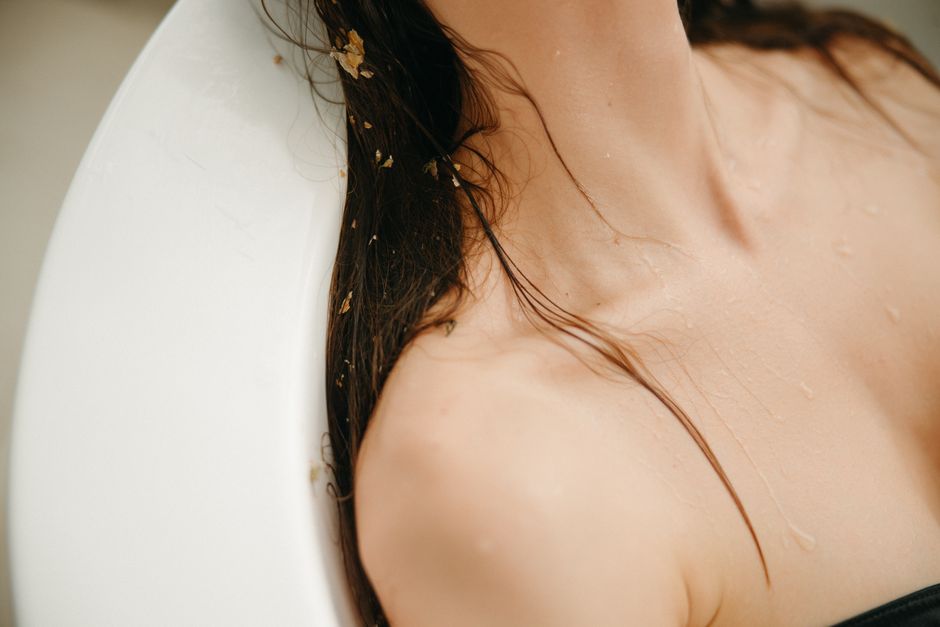
Dandruff is a common scalp condition, not a sign of poor hygiene, and it can be managed with the right approach. The most effective step is to use an anti-dandruff shampoo that contains an active ingredient proven to reduce the yeast and scalp turnover that cause flakes. Look for ingredients like zinc pyrithione, ketoconazole, selenium sulfide, or salicylic acid, and use the product consistently for several weeks before deciding whether it works. If flakes persist despite regular use, a dermatologist can help rule out other conditions such as seborrheic dermatitis or psoriasis.
What Actually Causes Dandruff?
Dandruff is driven by a mix of factors, but the central player is a yeast called Malassezia that lives on most people’s scalps. It feeds on sebum, the oil your scalp produces. For reasons not fully understood, some people’s immune systems react to the yeast’s byproducts, triggering inflammation and faster shedding of skin cells. Those clumps of dead cells are what you see as flakes.
This is why dandruff is not simply dry skin. Dry scalp can flake too, but the flakes tend to be smaller and whiter. Dandruff flakes are often larger, slightly yellow or greasy, and may come with itching. The distinction matters because treatments differ.
Several things can make dandruff worse without causing it directly. Cold, dry weather, stress, and infrequent shampooing can all aggravate the condition. Some research suggests that diet may play a role, but the evidence is not strong enough to say that changing what you eat will clear your scalp.
Which Anti-Dandruff Ingredients Work?
Not all anti-dandruff products are equal. The active ingredient matters more than the brand. Here are the main categories and what is known about them:
- Zinc pyrithione — slows the growth of Malassezia and helps normalize cell turnover. It is one of the most widely studied ingredients and is available over the counter.
- Ketoconazole — a prescription-strength antifungal that targets the yeast directly. Lower concentrations are available over the counter in some countries. It is often effective for people who do not respond to other ingredients.
- Selenium sulfide — reduces yeast and slows skin cell turnover. It can discolor hair, especially light or color-treated hair, so use it as directed.
- Salicylic acid — helps remove existing flakes by loosening dead skin cells. It does not directly address the yeast, so it is often combined with other actives.
- Coal tar — slows cell turnover and reduces inflammation. It can be effective but has a strong smell and may stain light hair.
Some clinicians also recommend products containing tea tree oil. Small studies suggest it may help, but the evidence is limited compared to the ingredients above. If you try it, know that it is not a first-line option.
How Should You Use Anti-Dandruff Shampoo?
How you use the shampoo matters as much as which one you choose. Most people rinse too quickly or use it too rarely. Here is the general approach that dermatologists recommend:
- Wet your hair and scalp thoroughly.
- Apply the shampoo and massage it into the scalp, not just the hair.
- Leave it on for the time listed on the label — often 3 to 5 minutes. This gives the active ingredient time to work.
- Rinse well.
- Use it at least twice a week, or as directed. Some products are safe for daily use.
If one ingredient does not work after several weeks of consistent use, try another from a different category. You can also alternate between two products to prevent your scalp from adapting. This is not a sign that the product has stopped working — it is a common strategy to keep symptoms under control.
Once dandruff is under control, you can often reduce use to once a week or every other week for maintenance. Stopping completely usually brings the flakes back.





What If Over-the-Counter Products Do Not Work?
If you have used an anti-dandruff shampoo correctly for several weeks and see no improvement, the next step is to see a dermatologist. Not all flaky scalps are dandruff. Other possibilities include:
- Seborrheic dermatitis — a more severe form of the same condition, with redness and greasy scales. It often affects the eyebrows, sides of the nose, and ears too.
- Psoriasis — causes thick, silvery scales and can appear on the scalp, elbows, and knees.
- Eczema — can cause dry, itchy patches on the scalp.
- Contact dermatitis — a reaction to a hair product, which can cause flaking and irritation.
- Fungal infection — such as ringworm of the scalp, which is more common in children.
A dermatologist can usually tell the difference by examining your scalp. In some cases, a small skin sample may be taken. Treatment for these conditions is different from standard dandruff care. For example, seborrheic dermatitis often requires prescription-strength antifungals or corticosteroids to calm inflammation.
Are There Lifestyle Changes That Help?
No lifestyle change will cure dandruff on its own, but some can reduce flare-ups. Managing stress is one. Stress does not cause dandruff, but it can make itching and inflammation worse. Getting enough sleep and staying physically active may help indirectly by supporting overall immune function.
Shampooing regularly is important. If you go many days without washing, oil and dead skin cells build up, giving the yeast more to feed on. If you have a dry scalp, a gentle moisturizing shampoo between anti-dandruff treatments can help. But do not skip the active ingredient — it is the part that addresses the cause.
Diet is often mentioned as a factor. Some studies have looked at zinc, B vitamins, and omega-3 fatty acids, but results are mixed and no specific diet is proven to treat dandruff. A balanced diet supports skin health in general, but it is not a substitute for treatment.
What About Natural Remedies?
Natural remedies for dandruff are popular, but the evidence is thin. Tea tree oil has some small studies behind it, but they are not large or consistent enough to call it a proven treatment. Apple cider vinegar is often recommended, but it can irritate the scalp, especially if used undiluted. Aloe vera may soothe itching, but it does not address the yeast.
If you want to try a natural option, treat it as a supplement to proven care, not a replacement. And be cautious: natural does not mean harmless. Essential oils can cause allergic reactions, and some home remedies can make irritation worse.
When Should You See a Doctor?
See a doctor if your dandruff is severe, does not improve after several weeks of consistent use of an anti-dandruff shampoo, or comes with redness, swelling, or intense itching. Also see a doctor if you notice hair loss, open sores, or flakes that spread to other parts of your body. These can be signs of a condition that needs different treatment.
For most people, dandruff is a manageable nuisance, not a serious health problem. But if it affects your quality of life or your confidence, that is reason enough to seek help. A dermatologist can offer stronger treatments and help you find a routine that works.
Frequently Asked Questions
How often should I use anti-dandruff shampoo?
Most dermatologists recommend using it at least twice a week, or as directed on the label. Once your symptoms are controlled, you can often reduce to once a week for maintenance.
Can dandruff go away on its own?
Dandruff rarely clears up completely without treatment because the yeast that drives it is a normal part of the scalp. It can fluctuate with weather and stress, but consistent use of an anti-dandruff shampoo is usually needed to keep it under control.
Is dandruff contagious?
No, dandruff is not contagious. The yeast involved is already present on most people’s scalps, and the reaction is individual, not something you can catch from someone else.
Does dandruff cause hair loss?
Dandruff itself does not cause permanent hair loss. However, scratching and inflammation can sometimes lead to temporary shedding, and some conditions that look like dandruff, such as psoriasis, can be associated with hair loss.
