
Fatty liver disease is a condition where excess fat builds up in your liver cells. For most people, it is completely reversible, but only if the underlying cause is addressed. The most effective way to get rid of it is to lose weight steadily through a balanced diet and regular physical activity, and to eliminate the specific triggers that caused the fat to accumulate in the first place.
What Exactly Is A Fatty Liver?
Your liver is the body’s main metabolic organ. It processes fats, filters toxins, and regulates blood sugar. When more fat enters the liver than it can process or export, that fat becomes stored inside the liver cells themselves. This condition is called hepatic steatosis.
There are two main types. The first is alcohol-related fatty liver disease, caused by heavy drinking. The second is non-alcoholic fatty liver disease (NAFLD), which develops in people who drink little or no alcohol. NAFLD is now the most common liver disorder in the United States, affecting roughly one in three adults. It is closely tied to insulin resistance, obesity, and metabolic syndrome.
In many cases, fatty liver causes no symptoms at all. It is often discovered incidentally when blood tests reveal elevated liver enzymes or when an ultrasound is done for another reason. The danger is that if left unchecked, simple fat accumulation can progress to inflammation, then scarring, and eventually cirrhosis.
Do You Need To Lose Weight To Fix It?
Yes. Weight loss is the single most proven treatment for non-alcoholic fatty liver disease. Research consistently shows that losing about 7 to 10 percent of your body weight can significantly reduce liver fat and inflammation. Some studies show that even a 5 percent weight loss can lower fat content in the liver.
The key is that the weight loss must be gradual and sustainable. Rapid weight loss, especially through crash dieting, can actually worsen liver inflammation. A safe target is losing 1 to 2 pounds per week. This gives your liver time to adapt and clear out the stored fat without triggering stress responses in the cells.
Weight loss works by improving insulin sensitivity. When your body becomes more responsive to insulin, your fat cells release less free fatty acid into the bloodstream. This means less fat travels to the liver in the first place. It also helps the liver export fat more efficiently once it is there.
Which Diet Actually Helps A Fatty Liver?
There is no single “fatty liver diet” approved by medical authorities. However, the evidence consistently points to a Mediterranean-style eating pattern as the most beneficial. This diet emphasizes vegetables, fruits, whole grains, legumes, nuts, fish, and olive oil, while limiting red meat, processed foods, and added sugar.
What matters most is the overall pattern, not individual foods. Cutting out a single “bad” food will not fix a fatty liver if the rest of the diet remains poor. The goal is to reduce your total calorie intake and shift the quality of what you eat.
Specific changes that matter:
- Limit added sugars, especially fructose. High fructose intake is directly linked to liver fat production because the liver is the primary organ that processes fructose.
- Reduce refined carbohydrates like white bread, white rice, and sugary cereals. These spike blood sugar and drive insulin resistance.
- Avoid sugary beverages entirely. This includes soda, sweetened tea, and fruit juice. Liquid sugar is absorbed quickly and hits the liver hard.
- Choose lean proteins like chicken, fish, and plant-based options over fatty red meat.
- Include healthy fats from olive oil, nuts, and avocados. These fats do not accumulate in the liver the same way saturated fats do.
Coffee deserves a specific mention. Multiple large observational studies have found that regular coffee consumption is associated with a lower risk of liver fibrosis and cirrhosis. The effect appears to come from coffee itself, not caffeine, since both regular and decaf show benefit. If you already drink coffee, there is no need to stop. If you do not, there is no strong evidence that starting it will help, but it is a reasonable beverage choice.



Does Exercise Help Even Without Weight Loss?
Yes, but the effect is modest. Exercise improves liver fat levels through several mechanisms that are independent of weight loss. Physical activity increases the liver’s ability to burn fat for energy and improves insulin sensitivity in muscle tissue, which reduces the amount of fat being sent to the liver.
A combination of aerobic exercise and resistance training appears to be most effective. Aerobic exercise like brisk walking, cycling, or swimming burns calories and improves cardiovascular fitness. Resistance training builds muscle, which helps your body handle glucose better over time.
The current recommendation is at least 150 minutes per week of moderate-intensity exercise. That is about 30 minutes a day, five days a week. This aligns with general physical activity guidelines for adults. If you are not currently active, start slowly and build up gradually.
Exercise alone, without weight loss, will likely reduce liver fat by a modest amount. But the combination of exercise and calorie reduction produces the most significant improvements. Think of exercise as supporting your weight loss efforts rather than replacing them.
Can You Reverse Fatty Liver Without Alcohol?
If you have alcohol-related fatty liver disease, the treatment is straightforward: stop drinking. The liver has a remarkable capacity to regenerate, and abstaining from alcohol can reverse fatty changes within weeks to months in many cases. Even reducing your intake significantly can help, though complete abstinence is the safest recommendation.
For non-alcoholic fatty liver disease, alcohol is still relevant. Even moderate alcohol consumption appears to accelerate liver damage in people who already have NAFLD. The current clinical guidance is that if you have fatty liver, you should limit alcohol to no more than one drink per day for women and two for men. Some specialists recommend avoiding alcohol completely if there is any sign of inflammation or fibrosis.
Alcohol is processed by the liver, and every drink adds metabolic work to an organ that is already struggling. The fat accumulation from alcohol and from metabolic factors compounds the damage. Removing alcohol removes one source of stress on the liver.
Are There Medications That Can Help?
Currently, no medication is specifically approved by the FDA for treating non-alcoholic fatty liver disease. This is an active area of research, but as of now, lifestyle intervention remains the standard of care.
However, medications may be used to treat the conditions that contribute to fatty liver. If you have type 2 diabetes, managing your blood sugar is essential. Some diabetes medications, particularly pioglitazone and GLP-1 receptor agonists, have shown benefit in reducing liver fat in clinical trials. These are prescribed for diabetes management, not specifically for fatty liver, but they may help both conditions simultaneously.
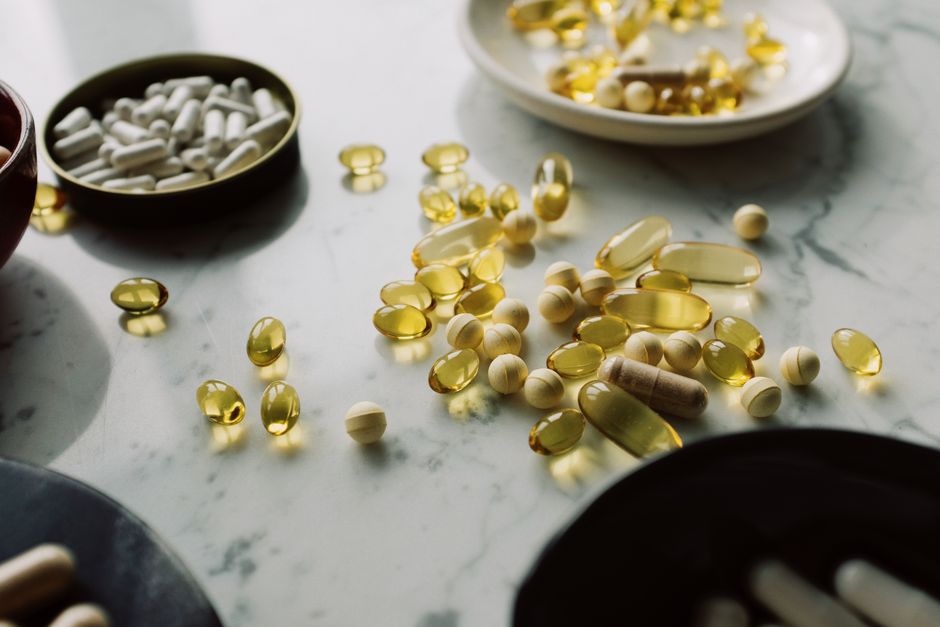
Vitamin E has been studied as a treatment for fatty liver because it acts as an antioxidant that may reduce liver inflammation. Some clinical guidelines recommend vitamin E for certain patients with biopsy-confirmed non-alcoholic steatohepatitis (NASH), which is fatty liver with inflammation. However, high doses of vitamin E have been associated with increased risks, including prostate cancer in men and hemorrhagic stroke. Do not start high-dose vitamin E without discussing it with your doctor.
Weight loss medications like semaglutide (Wegovy) and orlistat (Xenical) may help some people achieve the weight loss needed to improve liver health. These are tools to support weight loss, not direct treatments for the liver itself. They are most appropriate for people who have struggled to lose weight through lifestyle changes alone.
How Long Does It Take To Reverse A Fatty Liver?
There is no fixed timeline that applies to everyone. The speed of improvement depends on how much fat is in your liver, how much weight you need to lose, and how consistently you follow your diet and exercise plan.
Some research suggests that liver fat can decrease noticeably within 8 to 12 weeks of significant dietary change and weight loss. More established improvement, including reduction of inflammation, typically takes 6 to 12 months of sustained effort. If fibrosis (scarring) has already developed, reversal takes longer and may only be partial.
What is clear is that improvement requires consistency. The liver does not heal in a single weekend of good eating. It responds to weeks and months of reduced fat intake, lower blood sugar, and steady weight loss. If you lose weight and then regain it, the fat will likely return to the liver as well.
What Happens If You Do Nothing?
Fatty liver is not a static condition. It can remain stable for years, but it can also progress. The progression path is from simple steatosis (fat only) to steatohepatitis (fat plus inflammation) to fibrosis (scarring) and eventually cirrhosis (severe scarring with loss of liver function).
Not everyone with fatty liver progresses. Estimates suggest that only about 20 percent of people with NAFLD develop NASH, and a smaller percentage progress to cirrhosis. But there is no reliable way to predict who will progress and who will not. The risk factors for progression include obesity, type 2 diabetes, high blood pressure, and elevated liver enzymes.
The reason to take fatty liver seriously is that cirrhosis is irreversible. Once significant scarring develops, the liver cannot fully repair itself. The window for reversal is now, while the damage is still limited to fat accumulation and mild inflammation.
When Should You See A Doctor?
Fatty liver is usually diagnosed through blood tests and imaging, not through symptoms. If you have risk factors like obesity, diabetes, or metabolic syndrome, ask your doctor about liver health screening.
You should also see a doctor if you experience unexplained fatigue, pain in the upper right side of your abdomen, or unintentional weight loss. These can be signs of liver inflammation or advancing disease.
A doctor can order liver function tests, an ultrasound, or a FibroScan to assess liver fat and stiffness. In some cases, a biopsy is needed to determine the degree of inflammation and scarring. These tests help establish a baseline so you can track your progress over time.
Frequently Asked Questions
Can a fatty liver be completely reversed?
Yes, in most cases, fatty liver can be completely reversed if it is caught before significant scarring develops. Weight loss and dietary changes can eliminate fat from liver cells entirely over several months.
How fast can you reverse a fatty liver?
Liver fat can start decreasing within 8 to 12 weeks of consistent weight loss and dietary improvement. Full reversal typically takes 6 to 12 months of sustained lifestyle changes.
Is coffee good for fatty liver?
Observational research suggests regular coffee consumption is linked to less liver scarring and a lower risk of progression. The benefit appears to exist for both regular and decaf coffee.
Do you need to stop drinking alcohol completely?
If your fatty liver is alcohol-related, complete abstinence is required. If you have non-alcoholic fatty liver disease, you should limit alcohol to no more than one drink per day for women and two for men, with some specialists recommending full avoidance.
