
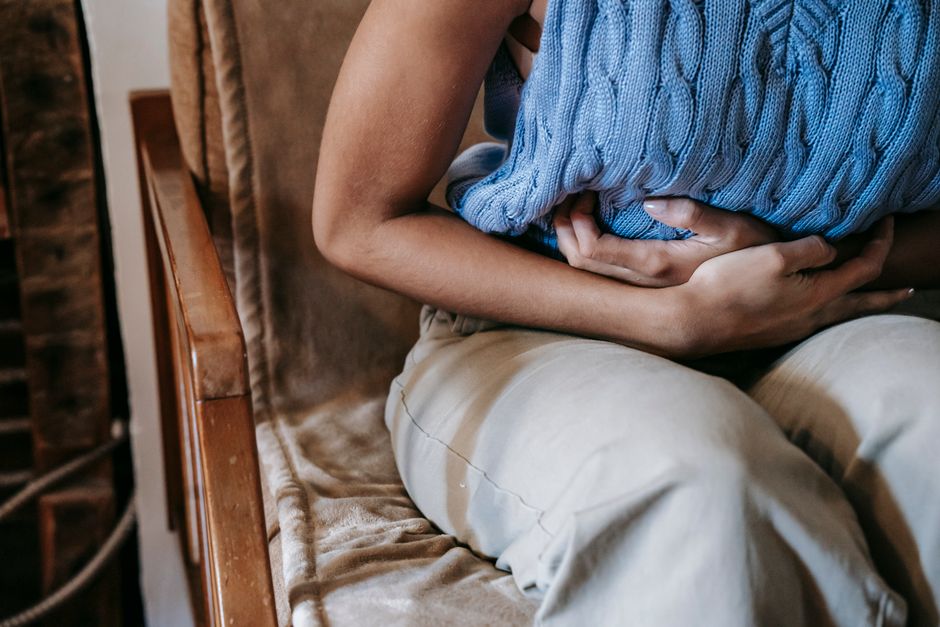
Bloating is that uncomfortable feeling of fullness or tightness in your belly. It often comes with visible swelling. It is one of the most common digestive complaints adults report. The fastest way to ease it depends on what is causing it. Gas, constipation, swallowed air, and food intolerances are the usual suspects. None of them have a single instant fix, but some approaches work faster than others.
What Actually Causes a Bloated Stomach?
Most bloating comes from gas or fluid in the digestive tract. Gas builds up when you swallow air or when bacteria in your colon ferment undigested food. That fermentation produces hydrogen, methane, and other gases. The result is pressure and distension.
Constipation is another frequent cause. When stool sits in the colon, it slows everything down and creates a sense of fullness. Bloating from constipation tends to build over days rather than minutes.
Some people bloat because of food intolerances. Lactose, fructose, and certain carbohydrates in wheat, onions, and beans are common triggers. These are not allergies. They are digestion problems where the body cannot fully break down certain sugars.
Swallowed air matters more than most people realize. Eating fast, drinking through straws, chewing gum, and carbonated drinks all add air to your gut. That air has to go somewhere.
Less common causes include irritable bowel syndrome, small intestinal bacterial overgrowth, and gynecological conditions. Persistent or severe bloating that does not improve deserves a medical evaluation. In rare cases, bloating can signal a more serious condition.
How Do You Get Rid of a Bloated Stomach Fast?
There is no proven method that eliminates bloating in minutes. But some steps can ease symptoms within an hour or two for many people.
Walking is one of the most reliable. Movement helps your digestive tract push gas through. A 10 to 15 minute walk after a meal can reduce discomfort. This is not a cure, but it is low risk and often helps.
Gentle stretching or yoga poses that compress and release the abdomen may also move trapped gas. Positions like lying on your back and pulling your knees to your chest are commonly suggested. Evidence for specific poses is limited, but the movement itself is generally helpful.
Peppermint oil has some evidence behind it. Research suggests it can relax the muscles of the digestive tract. Enteric-coated capsules are often used because they release the oil further down the gut. Peppermint tea is milder but may still help some people.
Simethicone is an over-the-counter anti-gas medication. It works by helping small gas bubbles join together so they are easier to pass. Some people find it helpful. Others do not notice much difference. The evidence for simethicone is mixed.
If constipation is the cause, treating that is the priority. A stool softener or fiber supplement may help, but these take time. They are not fast fixes.
Heat applied to the abdomen can relax muscles and ease discomfort. A warm compress or heating pad is a simple option. It does not remove gas, but it can reduce the sensation of tightness.
What Foods and Drinks Make Bloating Worse?
Carbonated drinks add gas directly to your stomach. That includes soda, sparkling water, and beer. If you are bloated, skipping these for a day or two can help.
High-sodium foods cause your body to retain water. That can lead to puffiness and a feeling of swelling. Processed foods, restaurant meals, and canned soups are common culprits.
Sugar alcohols like sorbitol, mannitol, and xylitol are poorly absorbed. They sit in the gut and ferment. They are common in sugar-free gum, candy, and some protein bars.
Dairy can be a problem if you are lactose intolerant. The undigested lactose ferments in the colon. This causes gas, cramping, and bloating. Not everyone has this issue.
Beans, lentils, broccoli, cabbage, and onions contain fermentable carbohydrates. These are healthy foods. But they can cause gas in some people. Reducing them temporarily may ease symptoms.
Chewing gum and hard candy increase swallowed air. They also often contain sugar alcohols. Cutting back on both can reduce bloating over time.





Does Drinking Water Help With Bloating?
Water does not directly remove gas, but dehydration can worsen constipation. And constipation is a major cause of bloating. Staying hydrated helps keep stool soft and moving.
Drinking water with meals may also help digestion. It does not dilute stomach acid enough to cause problems, despite what some people claim. Your stomach adjusts its acid production as needed.
Warm water or herbal tea may feel soothing. Peppermint, ginger, and fennel teas are commonly used. Evidence for these is mostly traditional rather than from large clinical trials. They are generally safe for most adults.
Avoid drinking large amounts of liquid quickly. That can add to stomach fullness. Sipping steadily throughout the day is better than gulping.
When Should Bloating Be a Concern?
Occasional bloating is normal. It often relates to diet, stress, or hormonal changes. Many women notice bloating before their period. That is due to fluid retention and changes in gut motility.
See a doctor if bloating is persistent, severe, or comes with other symptoms. These include unexplained weight loss, blood in stool, fever, vomiting, or pain that does not go away. Bloating that gets worse over weeks rather than better also deserves attention.
Bloating can be a symptom of irritable bowel syndrome, celiac disease, or inflammatory bowel disease. It can also be a sign of ovarian cancer in rare cases. This does not mean every bloating episode is cancer. It means persistent, unexplained bloating should be checked.
If you have tried dietary changes and over-the-counter remedies without relief, talk to a doctor. They can help identify the cause and rule out more serious conditions.
What About Probiotics and Other Supplements?
Probiotics are live bacteria that may support gut health. Some studies suggest certain strains can reduce bloating in people with IBS. But results vary widely. The evidence is not strong enough to recommend a specific strain or dose for general bloating.
Digestive enzymes are another popular option. Lactase supplements can help people with lactose intolerance digest dairy. Beano contains an enzyme that helps break down certain complex carbohydrates. These work for specific problems, not all bloating.
Activated charcoal is sometimes marketed for gas and bloating. There is little evidence it helps with normal bloating. It may interfere with medication absorption. It is not a recommended first-line approach.
Apple cider vinegar and other home remedies have no strong evidence for bloating. Some people report benefits, but studies are lacking. If you try them, do so with caution. Vinegar can irritate the esophagus and stomach lining.
How Can You Prevent Bloating Before It Starts?
Eating slowly and chewing thoroughly reduces swallowed air. It also gives your digestive system a head start. Put your fork down between bites.
Limit carbonated drinks and sugar alcohols. These are direct contributors to gas for many people. Reading labels helps identify hidden sources.
Stay active. Regular movement supports healthy digestion and reduces constipation. Even a daily walk makes a difference.
Manage stress. The gut and brain are closely connected. Stress can change how your digestive tract works. It can speed up or slow down transit. Finding ways to relax may reduce bloating episodes.
Keep a food and symptom diary. This can help you spot patterns. It is not a quick fix, but it can guide longer-term changes. Some people find that certain foods reliably trigger symptoms. Others do not.
If you suspect a specific food is the problem, try removing it for a week or two. Then reintroduce it and see if symptoms return. This is not a medical test. It is a way to gather information to discuss with your doctor.
Frequently Asked Questions
How do you get rid of a bloated stomach fast?
Walking, gentle stretching, and peppermint oil may ease symptoms within an hour or two for some people. There is no method that works instantly for everyone.
Does simethicone actually work for bloating?
Simethicone is an over-the-counter anti-gas medication that some people find helpful. The evidence for its effectiveness is mixed, and it does not work for everyone.
Can drinking water reduce bloating?
Water does not remove gas directly, but it helps prevent constipation, which is a common cause of bloating. Staying hydrated supports regular bowel movements.
When should I worry about bloating?
See a doctor if bloating is persistent, severe, or comes with weight loss, blood in stool, fever, or pain that does not go away. These symptoms need medical evaluation.
