
Magnesium is involved in more than 300 enzyme reactions in the human body, and your body cannot make it on its own. You get magnesium naturally in two main ways: by eating foods that contain it, and by absorbing it through your skin or digestive tract from supplements and certain external sources. Food is the primary natural source, and the foods highest in magnesium are nuts, seeds, whole grains, legumes, and dark leafy greens.
Most adults in the United States do not get the recommended amount of magnesium from food alone, according to national dietary survey data. That gap has made magnesium a popular topic — and also a target for marketing claims that go well beyond what research supports. This article explains what magnesium does, where to find it naturally, how much you actually need, and which claims about it hold up under scrutiny.
What Does Magnesium Actually Do in the Body?
Magnesium is a mineral your body uses for energy production, muscle and nerve function, blood sugar regulation, and blood pressure control. It also plays a structural role in bone, where roughly half of the body’s magnesium is stored.
At the cellular level, magnesium acts as a cofactor — a helper molecule — for enzymes that build proteins, copy DNA, and generate ATP, the basic energy currency of cells. Without adequate magnesium, these processes slow down. That is why severe deficiency affects the heart, muscles, and nervous system most visibly.
Your body regulates magnesium tightly. The kidneys adjust how much is excreted in urine, and the intestines adjust how much is absorbed from food. When intake drops, the body pulls magnesium from bone to keep blood levels stable. This means a normal blood magnesium level does not always rule out low total body stores — a point that is often misunderstood, including by some clinicians.
Which Foods Are Highest in Magnesium?
Plant foods dominate the list of natural magnesium sources. Nuts, seeds, legumes, and whole grains are the richest everyday sources, followed by dark leafy greens and some fish.
Here is a comparison of magnesium content in common foods, based on USDA nutritional data:
| Food (serving size) | Magnesium (approximate) |
|---|---|
| Pumpkin seeds, roasted (1 oz) | 150 mg |
| Almonds (1 oz) | 80 mg |
| Spinach, cooked (1/2 cup) | 78 mg |
| Cashews (1 oz) | 74 mg |
| Peanuts (1 oz) | 49 mg |
| Black beans, cooked (1/2 cup) | 60 mg |
| Edamame, cooked (1/2 cup) | 50 mg |
| Brown rice, cooked (1/2 cup) | 42 mg |
| Salmon, cooked (3 oz) | 26 mg |
| Avocado (1/2 medium) | 29 mg |
These values come from standard USDA nutrient data and can vary slightly by variety, growing conditions, and preparation method. Cooking methods matter: boiling leaches some magnesium into the water, while roasting and steaming preserve more.
One practical insight: the refining process strips magnesium from grains. White flour and white rice contain a fraction of the magnesium found in their whole-grain counterparts. Choosing whole grains over refined ones is one of the simplest ways to raise magnesium intake without changing your diet dramatically.
How Do You Get Magnesium Naturally Through Your Diet?
The most reliable natural strategy is to build meals around magnesium-rich whole foods rather than trying to hit a target with a single ingredient. Magnesium is spread across many food groups, so variety does most of the work.
- Add a handful of nuts or seeds to breakfast, salads, or yogurt.
- Choose whole-grain bread, oats, or brown rice instead of refined versions.
- Include beans or lentils in meals several times a week.
- Eat dark leafy greens like spinach, Swiss chard, or kale regularly.
- Snack on pumpkin seeds or almonds instead of processed snacks.
- Include fatty fish such as salmon in your rotation.
These changes are realistic for most people and do not require supplements. For someone eating a varied diet with plenty of plants, meeting the recommended intake is achievable through food alone.





How Much Magnesium Do You Need Each Day?
The recommended daily allowance for magnesium varies by age and sex. For adults, the established figures are:
- Men aged 19–30: 400 mg per day
- Men aged 31 and older: 420 mg per day
- Women aged 19–30: 310 mg per day
- Women aged 31 and older: 320 mg per day
These are the Recommended Dietary Allowances set by the National Academies, which establish nutrient intake standards for the U.S. population. Pregnancy raises the requirement to around 350–360 mg per day depending on age, and breastfeeding to around 310–320 mg per day. No clinical guidelines currently exist for magnesium dosing in infants beyond what is provided through breast milk or formula, which are designed to meet infant needs.
National survey data consistently shows that a large share of U.S. adults fall short of these targets through food alone. Whether that shortfall translates into meaningful health problems for most people is a separate and more complicated question. Overt magnesium deficiency is uncommon in healthy people with functioning kidneys, because the body conserves magnesium efficiently.
Can You Absorb Magnesium Through Your Skin?
The evidence for meaningful magnesium absorption through skin is weak. This is one of the most common claims in the wellness market, and it deserves a direct answer.
Some people use magnesium oils, lotions, or Epsom salt baths believing the mineral enters the bloodstream through the skin. The scientific support for this is limited. A small number of studies have measured slight changes in blood or urine magnesium after topical application or bathing, but the results are inconsistent, and no large human trial has confirmed that transdermal magnesium meaningfully raises body magnesium levels.
Magnesium is a charged ion, and the outer layer of skin is designed to keep charged particles out. That does not mean topical magnesium has no local effect — some people report muscle relaxation or skin benefits — but the claim that it corrects a systemic deficiency is not established. Epsom salt baths may feel soothing, and that is a legitimate reason to use them. It is not the same as proven absorption.
Are Magnesium Supplements Worth Taking?
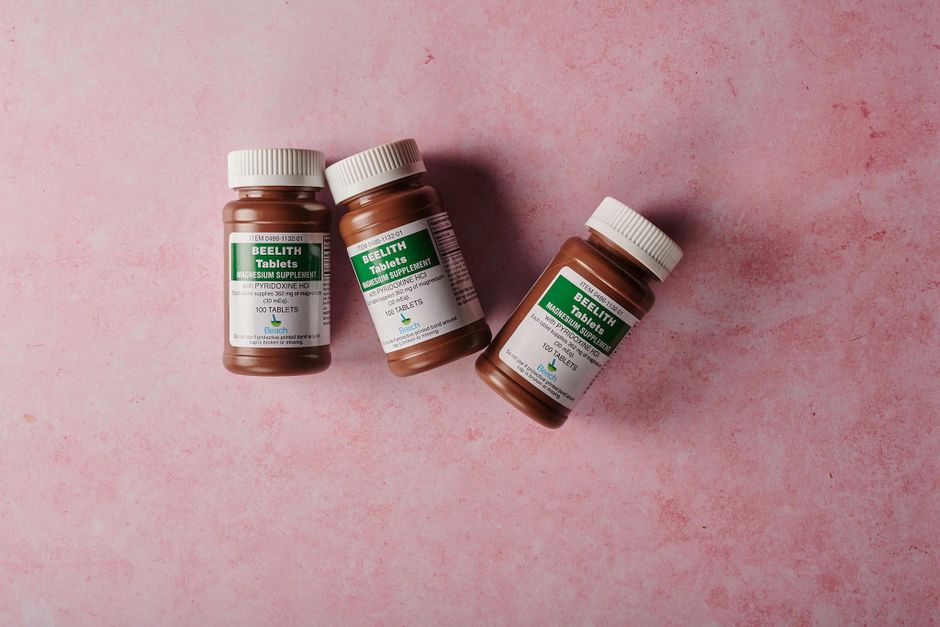
Supplements can raise magnesium intake, and they are appropriate for some people — but they are not automatically better than food, and more is not safer.
Different forms behave differently. Magnesium oxide is common and inexpensive but is poorly absorbed. Magnesium citrate is better absorbed and is often used for constipation. Magnesium glycinate and magnesium malate are generally well tolerated. The evidence comparing these forms head-to-head for specific health outcomes is limited, so claims that one form is dramatically superior should be treated with caution.
The Tolerable Upper Limit for magnesium from supplements (not food) is 350 mg per day for adults. Going above that from supplements can cause diarrhea, nausea, and abdominal cramping. In people with kidney disease, excess magnesium is dangerous because the kidneys cannot clear it efficiently — this is a genuine safety concern, not a minor one. Anyone with impaired kidney function should talk to a clinician before taking magnesium supplements.
Magnesium from food does not carry this risk. The body regulates absorption from food, so you cannot easily overdose on magnesium by eating magnesium-rich foods.
Who Is Most Likely to Be Low in Magnesium?
Certain groups are at higher risk of inadequate magnesium status. These include people with gastrointestinal conditions that impair absorption, such as Crohn’s disease or celiac disease, and people with type 2 diabetes, who tend to lose more magnesium through urine.
Older adults are also at higher risk, partly because absorption tends to decline with age and partly because many take medications or have conditions that affect magnesium balance. Heavy alcohol use increases magnesium loss through the kidneys. Some medications, including certain diuretics and proton pump inhibitors, can lower magnesium levels with long-term use.
Symptoms of low magnesium can include muscle cramps, fatigue, weakness, and in more serious cases, abnormal heart rhythms. These symptoms overlap with many other conditions, so they are not specific to magnesium. If you suspect a deficiency, a clinician can assess it — though as noted earlier, standard blood tests have limitations and may miss low body stores.
Frequently Asked Questions
What is the best natural source of magnesium?
Pumpkin seeds, almonds, cashews, and other nuts and seeds are among the richest natural sources, with pumpkin seeds providing roughly 150 mg per ounce. Dark leafy greens, beans, and whole grains are also strong contributors.
Can you get enough magnesium from food alone?
Yes, for most healthy adults who eat a varied diet with plenty of nuts, seeds, legumes, whole grains, and leafy greens. National survey data shows many people fall short, but food-based intake remains the preferred route.
Does magnesium absorb through the skin?
The evidence is limited and inconsistent, and no large human trial has confirmed that topical magnesium meaningfully raises body magnesium levels. Epsom salt baths may feel soothing, but that is not the same as proven absorption.
What are the signs of low magnesium?
Possible signs include muscle cramps, fatigue, weakness, and in serious cases, irregular heart rhythms. These symptoms are not specific to magnesium and can have many other causes, so testing by a clinician is the way to confirm.
