
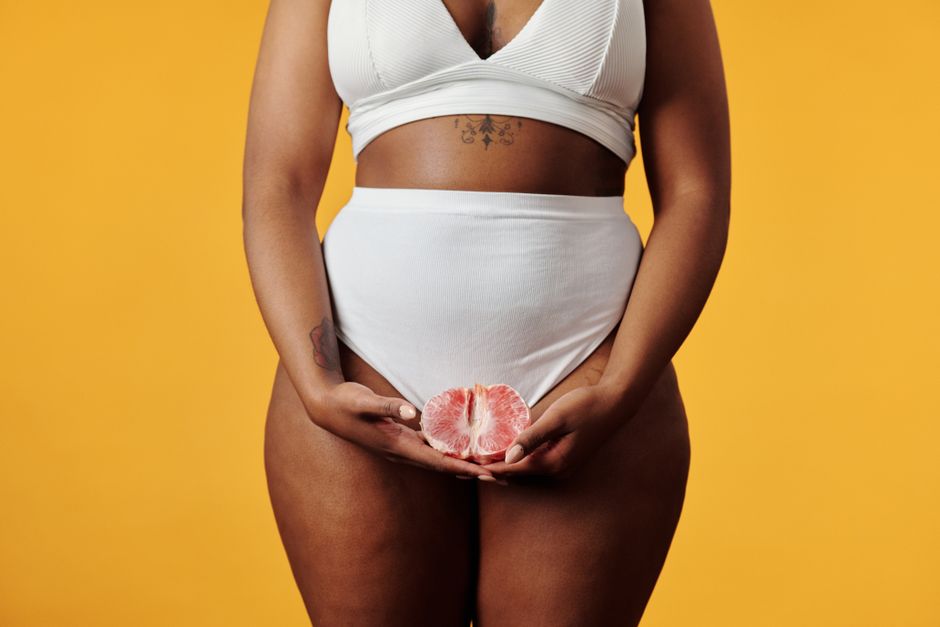
Why Are Hemorrhoids So Common in Women?
The anatomy is the same for everyone, but women face unique pressure points that men do not. The veins in the anal canal have thin walls and little support. When pressure builds up inside them, they swell.
Pregnancy is a leading cause. The growing uterus presses directly on the pelvic veins and the inferior vena cava, which is the large vein that returns blood from the lower body to the heart. This slows blood return and increases pressure below. Hormonal changes during pregnancy also relax the walls of the veins, making them more likely to swell.
Childbirth adds another layer of pressure. Pushing during delivery strains the anal area intensely. Many women notice hemorrhoids appear or worsen during the pushing phase of labor. This is a normal mechanical result of that extreme force.
Beyond pregnancy, women are more likely to experience chronic constipation than men. This is partly due to hormonal fluctuations during the menstrual cycle that can slow digestion. Straining to pass hard stool is one of the most direct ways to cause a hemorrhoid.
How Do You Get Hemorrhoids Female? The Daily Habits That Matter
Pregnancy explains a large portion of cases, but everyday behaviors are just as important. The pressure that causes hemorrhoids often comes from routines you may not think about.
Straining on the toilet is a primary culprit. Sitting and pushing to force a bowel movement creates direct pressure on the anal veins. The longer you strain, the more blood pools in those veins.
Sitting for long periods is another major factor. Whether it is at a desk, in a car, or on a couch, prolonged sitting puts steady pressure on the veins in your lower rectum. This is not the same as brief sitting. It is the cumulative effect of hours each day that reduces blood flow and allows veins to swell.
A low-fiber diet contributes indirectly. Without enough fiber, stool becomes hard and dry. Hard stool requires more pushing to pass. This creates a cycle where poor diet leads to straining, which leads to hemorrhoids.
Heavy lifting can also trigger them. Lifting something heavy while holding your breath increases pressure inside the abdomen. This force transmits directly to the veins in the lower rectum. This includes lifting children, furniture, or heavy grocery bags.
Obesity is a risk factor as well. Excess body weight, especially around the abdomen, increases pressure on the pelvic floor and the veins in the lower rectum.
Symptoms: What Does a Hemorrhoid Actually Feel Like?
Recognizing the symptoms helps you confirm what is happening and decide if home care is enough.
The most common symptom is bright red blood on the toilet paper or in the toilet bowl after a bowel movement. This blood comes from the surface of the hemorrhoid, which is fragile and bleeds easily when stool passes over it.
Pain and discomfort are common but vary by type. Internal hemorrhoids, which form inside the rectum, usually do not hurt because that area has few pain-sensing nerves. They may only bleed. External hemorrhoids, which form under the skin around the anus, often itch, burn, or hurt because that skin is highly sensitive.
A lump near the anus is a sign of an external hemorrhoid. You may feel it when wiping. If a blood clot forms inside an external hemorrhoid, it becomes a thrombosed hemorrhoid. This is painful and feels like a hard, tender lump.
Itching is also reported frequently. The skin around the anus can become irritated by mucus that leaks from an internal hemorrhoid. This moisture breaks down the skin and causes itching.


Home Care: What Actually Works to Shrink Hemorrhoids
Most hemorrhoids improve with simple measures you can do at home. These are the first-line treatments that clinicians recommend.
Warm sitz baths are effective. Soaking the anal area in plain warm water for 10 to 15 minutes, two to three times a day, reduces swelling and relaxes the sphincter muscle. This eases pain and promotes blood flow away from the swollen veins. Use a shallow bath or a plastic sitz bath that fits over the toilet.
Fiber is the most important dietary change. Increasing fiber softens stool, which means less straining and less pressure on the veins. Good sources include fruits, vegetables, whole grains, and legumes. If you increase fiber, do it gradually and drink more water to avoid bloating and gas.
Stool softeners can help short-term. Products containing docusate sodium draw water into the stool to make it softer. These are safe for most people, but they are not a long-term solution. The goal is to change your diet so you do not need them.
Topical creams and suppositories provide temporary relief. Over-the-counter products often contain a local anesthetic like pramoxine or a vasoconstrictor like phenylephrine. These reduce itching and pain but do not cure the hemorrhoid. They shrink the tissue temporarily while you address the underlying pressure.
Ice packs can numb the area and reduce swelling. Apply for 10 to 15 minutes at a time. Never apply ice directly to the skin; wrap it in a cloth.
Witch hazel is a mild astringent that can soothe the area. It is available as soaked pads and is generally safe for short-term use.
When to See a Doctor: Red Flags You Should Not Ignore
Most hemorrhoids resolve within a week or two with home care. Some situations require a medical evaluation.
Bleeding that continues after a week of home care deserves a check-up. While hemorrhoids are the most common cause of rectal bleeding, other conditions can cause the same symptom. Colon polyps, anal fissures, and colorectal cancer can all present with blood. A doctor needs to rule these out.
Severe pain is another reason to seek care. A thrombosed hemorrhoid can be intensely painful. If the pain is not controlled by over-the-counter medication, a doctor may need to remove the clot with a small incision. This provides rapid relief.
Changes in bowel habits or blood that is dark and tarry point toward bleeding higher in the digestive tract. This is not typical of hemorrhoids and needs immediate evaluation.
If you are pregnant and develop hemorrhoids, discuss it with your obstetrician. They can recommend pregnancy-safe treatments and confirm that the symptoms are not caused by something else.
Medical Procedures: What Happens If Home Care Fails
When hemorrhoids persist despite good home care, several outpatient procedures are available. These are common and do not require a hospital stay.
Rubber band ligation is the most widely used procedure for internal hemorrhoids. A doctor places a small rubber band around the base of the hemorrhoid, cutting off its blood supply. The hemorrhoid shrinks and falls off within a few days. This is done in an office setting and takes only a few minutes.
Sclerotherapy involves injecting a chemical solution into the hemorrhoid. This causes the vein to scar and shrink. It is less painful than banding but may be less effective for larger hemorrhoids.
Infrared coagulation uses a device that applies heat to the hemorrhoid. This creates scar tissue that cuts off blood flow. It is effective for small and medium internal hemorrhoids.
Surgery, called hemorrhoidectomy, is reserved for severe cases. This includes large hemorrhoids, thrombosed hemorrhoids that keep returning, or hemorrhoids that do not respond to other treatments. Recovery takes one to two weeks and can be painful, but it has the highest success rate for long-term relief.
Prevention: How to Stop Them From Coming Back
Preventing hemorrhoids means reducing pressure on the anal veins. This is a matter of daily habits.
Do not delay bowel movements. When you feel the urge, go. Waiting allows stool to dry out and harden, which leads to straining.
Do not sit on the toilet longer than necessary. Limit reading or phone use in the bathroom. The longer you sit, the more pressure builds. Aim to finish within five minutes.
Stay active. Regular walking and exercise improve circulation and help prevent constipation. Even a short walk after meals can stimulate bowel activity.
Maintain a healthy weight. Excess abdominal weight increases pressure on the pelvic floor. Weight loss reduces this pressure and lowers the risk of recurrence.
Drink enough water. Dehydration is a common cause of hard stool. Aim for enough fluids so your urine is light yellow.
Frequently Asked Questions
Can you get hemorrhoids from sitting on a cold surface?
No evidence supports this. Hemorrhoids come from pressure inside the body, not from the temperature of the surface you sit on.
Are hemorrhoids during pregnancy permanent?
Most pregnancy-related hemorrhoids improve significantly after delivery. They do not always go away completely, but they usually shrink within a few weeks after birth as the pressure from the uterus is removed.
Does straining on the toilet always cause hemorrhoids?
Straining is a major cause, but not the only one. Chronic constipation, pregnancy, obesity, and prolonged sitting all contribute to the same pressure problem.
Is bleeding from a hemorrhoid dangerous?
Hemorrhoid bleeding is usually minor, but any rectal bleeding should be evaluated if it persists. Because other conditions can cause bleeding, a doctor should confirm the source if bleeding continues beyond a week of home care.
