
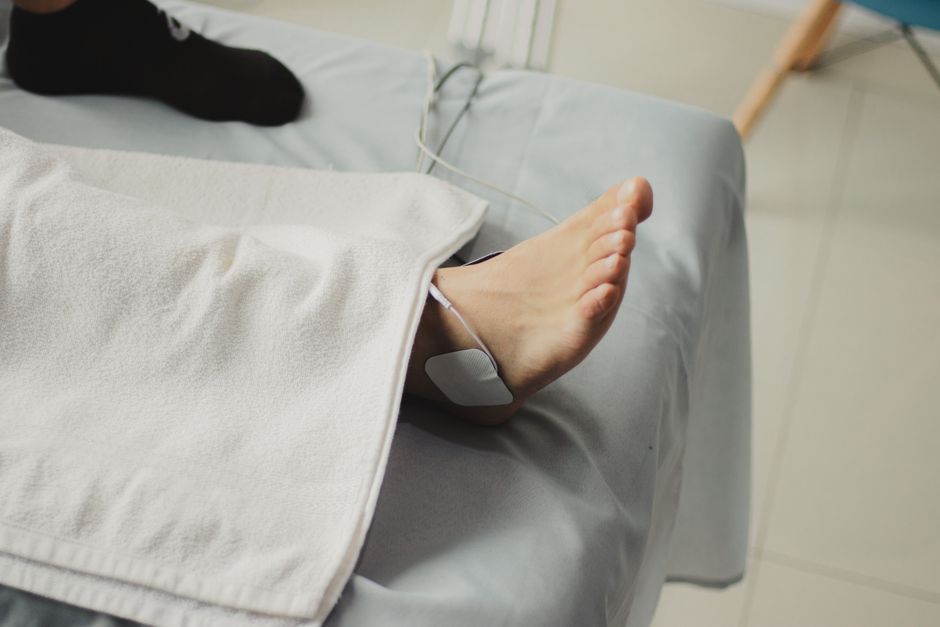
Heel spurs are calcium deposits that form on the bottom of your heel bone, and they are almost always the result of long-term strain on the foot muscles and ligaments. The direct cause is repeated stress and tearing of the plantar fascia, the thick band of tissue that runs along the bottom of your foot. This stress triggers your body to lay down extra bone as a repair response, which creates the spur.
What Exactly Is a Heel Spur and How Does It Form?
A heel spur is a bony growth that develops where the plantar fascia attaches to the heel bone. Think of it as your body’s attempt to fix a problem. When the plantar fascia pulls on the heel bone repeatedly over months or years, the bone responds by building extra calcium deposits at the attachment point.
Research published in the Journal of Orthopaedic & Sports Physical Therapy found that heel spurs are present in about 10 percent of the general population. But here is the key fact most people miss: having a heel spur does not mean you will feel pain. Many people have spurs and never know it. The pain usually comes from the inflammation of the plantar fascia itself, not the bony spur.
The spur itself is a sign of chronic stress, not the direct source of your discomfort. This distinction matters because it changes how you should think about treatment.
How Do You Get Heel Spurs? Causes And Risk Factors
The primary cause of heel spurs is repetitive mechanical stress on the foot. This typically happens from activities that involve a lot of standing, walking, or running on hard surfaces. Over time, the constant pulling and stretching of the plantar fascia at its attachment to the heel bone leads to microscopic tears.
Your body responds to these micro-tears by depositing calcium. Over months and years, this calcium buildup forms the visible spur you can see on an X-ray. The process is slow and cumulative, which is why heel spurs are most common in people over 40.
Risk factors include:
- Being overweight or obese, which increases the load on your feet with every step
- Wearing shoes with poor arch support or thin soles
- Standing for long hours on hard surfaces like concrete floors
- Running or jogging, especially on hard pavement without proper footwear
- Having flat feet or very high arches, both of which alter how weight distributes across your foot
- Sudden increases in physical activity without proper conditioning
One non-obvious risk factor is tight calf muscles. When your calves are tight, they limit your ankle’s range of motion. This forces your foot to compensate by putting extra strain on the plantar fascia with each step. Stretching your calves regularly can reduce this strain significantly.
What Is the Difference Between Plantar Fasciitis and Heel Spurs?
This is where a lot of confusion happens. Plantar fasciitis is inflammation of the plantar fascia tissue. A heel spur is a bony growth on the heel bone. They are related but not the same condition.
Many people think heel spurs cause the stabbing heel pain they feel in the morning. The evidence says otherwise. A study in the American Journal of Roentgenology found that 32 percent of people with heel spurs had no heel pain at all. Meanwhile, many people with classic plantar fasciitis pain have no visible spur on X-ray.
The pain you feel is almost always from plantar fasciitis — the inflammation and micro-tearing of the soft tissue. The spur is just a marker that the tissue has been stressed for a long time. Treating the inflammation is what relieves the pain, not removing the spur.




Who Is Most Likely to Develop Heel Spurs?
Heel spurs are not random. They follow clear patterns based on age, activity, and body mechanics. The CDC reports that approximately 2 million people in the United States are treated for plantar fasciitis each year, and a significant portion of those patients also have heel spurs.
Age is the strongest single predictor. People between 40 and 60 years old have the highest rates. This makes sense because the cumulative stress on the plantar fascia takes years to trigger the bone growth. Your body’s ability to repair micro-damage also slows down as you age, making the tissue more vulnerable.
Occupation matters a lot. Factory workers, teachers, nurses, and retail workers who stand for 8 hours or more per day have much higher rates than people with desk jobs. A study in the Journal of Occupational and Environmental Medicine found that standing for more than 6 hours daily doubled the risk of heel pain and spur formation.
Foot structure is another major factor. People with flat feet have a collapsed arch that puts extra tension on the plantar fascia. People with very high arches have a rigid foot that does not absorb shock well. Both conditions increase the stress at the heel attachment point.
Can Running or Exercise Cause Heel Spurs?
Yes, but not in the way most people think. Running itself does not cause heel spurs. The problem is how you run and what you run on. Running on hard surfaces like concrete or asphalt without proper shock-absorbing footwear increases the repetitive stress on your heel.
Sudden increases in mileage or intensity are a common trigger. If you go from running 10 miles per week to 30 miles per week without building up gradually, your plantar fascia does not have time to adapt. The micro-tears accumulate faster than your body can repair them, which can lead to spur formation over time.
Your running form also matters. Overstriding — landing with your foot too far in front of your body — increases the impact force on your heel. Heel-striking runners tend to have higher rates of heel pain than forefoot or midfoot strikers. This is not a recommendation to change your stride, but it explains why some runners develop problems while others do not.
The good news is that running with proper footwear and gradual progression does not cause heel spurs in most people. The risk is manageable with the right approach.
What Treatments Actually Work for Heel Spur Pain?
Treatment should focus on the inflamed tissue, not the bone spur itself. Surgery to remove a heel spur is rarely needed. The American Academy of Orthopaedic Surgeons recommends conservative treatment for at least 6 to 12 months before considering surgery.
The most effective treatments target the underlying mechanical stress:
- Stretching the calf muscles and plantar fascia daily
- Using shoes with good arch support and cushioning
- Applying ice to the heel for 15 minutes after activity
- Taking over-the-counter anti-inflammatory medication like ibuprofen for short-term pain relief
- Using custom or over-the-counter orthotic inserts that support the arch
Night splints are another option that has good evidence behind them. They keep your foot in a stretched position while you sleep, preventing the plantar fascia from tightening overnight. This reduces that sharp morning pain many people describe.
Shockwave therapy has some research support, but results are mixed. A review in the Cochrane Database of Systematic Reviews found that shockwave therapy may provide modest pain relief compared to placebo, but the effect is not large enough to recommend it as a first-line treatment.
| Treatment | Evidence Level | Typical Time to Relief |
|---|---|---|
| Calf and foot stretching | Strong | 2-4 weeks |
| Orthotic inserts | Moderate | 4-8 weeks |
| Ice therapy | Moderate | Immediate for pain |
| Night splints | Moderate | 4-6 weeks |
| Shockwave therapy | Weak to moderate | 8-12 weeks |
| Cortisone injections | Moderate but temporary | 2-4 weeks |
What Common Myths About Heel Spurs Should You Ignore?
The biggest myth is that you need surgery to fix a heel spur. As of 2026, there is no clinical evidence that routine surgical removal of heel spurs provides better long-term outcomes than conservative treatment. Most people improve with stretching, better footwear, and activity modification alone.
Another common myth is that heel spurs are caused by calcium in your diet. This is false. Heel spurs are not related to dietary calcium intake or calcium supplements. The calcium deposit forms because of mechanical stress, not because you drink too much milk or take a supplement.
Some people also believe that walking barefoot on hard surfaces will cure heel spurs by strengthening the foot. This is widely claimed though strong evidence is limited. In fact, walking barefoot on hard surfaces can increase the stress on your plantar fascia and make inflammation worse. Supportive shoes are usually a better choice during the recovery phase.
The idea that heel spurs will go away on their own is also misleading. The bony spur itself is permanent. It will not dissolve or disappear. But the pain from the associated inflammation can resolve completely with proper treatment. Many people with heel spurs eventually become pain-free even though the spur remains visible on X-ray.
Frequently Asked Questions
Can heel spurs go away without treatment?
The bone spur itself will not go away, but the pain from inflammation can resolve without treatment in some cases. Most people need some form of conservative care to reduce symptoms within a few months.
Is walking barefoot bad for heel spurs?
Walking barefoot on hard surfaces can increase strain on the plantar fascia and worsen pain. Supportive shoes with cushioning are generally better for recovery.
Do heel spurs always cause pain?
No. Many people have heel spurs visible on X-ray and experience no pain at all. The pain comes from inflammation of the plantar fascia, not the spur itself.
Can losing weight help heel spurs?
Yes. Excess body weight increases the load on your feet with every step. Losing weight reduces the mechanical stress on the plantar fascia and can significantly decrease pain.
