
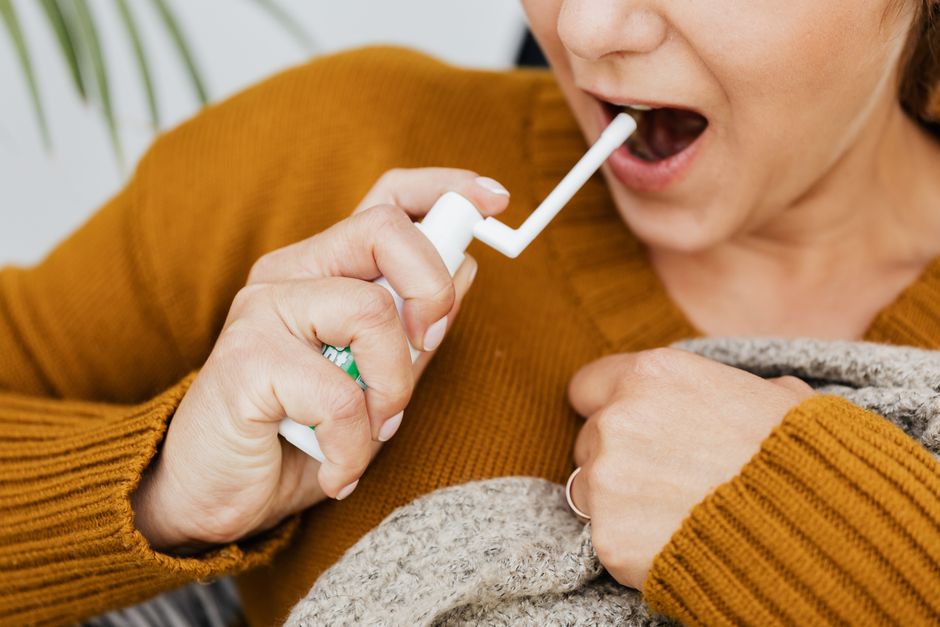
Canker sores on the tongue form when the thin lining of the mouth breaks down, leaving a small, shallow ulcer. The exact cause is not fully understood, but most cases involve a mix of triggers: minor injury to the tissue, genetic tendency, stress, certain foods, hormonal shifts, or a temporary dip in local immune balance. They are not contagious, and they are not the same as cold sores, which are caused by a virus.
The tongue is one of the most common spots for these sores, along with the inside of the lips and cheeks. That is partly because the tongue is in constant motion and takes frequent small hits from teeth, hot food, and hard objects. Understanding what actually triggers them helps you tell a harmless canker sore apart from something that needs a dentist or doctor to look at it.
What Actually Causes Canker Sores On Your Tongue?
No single cause explains every canker sore. Researchers describe them as the end result of several factors converging on the same spot: the mucosal lining loses its protective barrier, and the immune system responds with localized inflammation.
What is well established is that canker sores are not caused by a virus or bacteria, and they do not spread from person to person. This is the single most important fact to hold onto, because it separates them from cold sores and from infections that do need treatment.
Several triggers are consistently reported in the clinical literature:
- Minor trauma — biting your tongue, a sharp tooth edge, a rough filling, a scratch from a hard food like a chip or crust, or a burn from hot food or drink.
- Genetic tendency — canker sores run in families. People with a parent or sibling who gets them often get them too, and they tend to start in childhood or the teen years.
- Stress and fatigue — many people notice sores appearing during demanding periods, though the mechanism linking stress to ulcer formation is not fully worked out.
- Hormonal changes — some women report sores at particular points in the menstrual cycle or during pregnancy.
- Certain foods and additives — acidic foods, spicy foods, and in some people specific additives have been reported as triggers. The evidence for individual food triggers is largely based on patient reports rather than controlled trials.
- Nutritional deficiencies — low levels of vitamin B12, folate, iron, or zinc have been associated with recurrent canker sores in some studies. This does not mean a supplement fixes them in people with normal levels.
One clarification worth making: a canker sore is an ulcer, meaning the surface tissue is actually gone, not just red or swollen. That is why it looks like a shallow crater with a pale or yellow center and a red rim. It is a small wound, and it heals the way small wounds do.
Are Tongue Canker Sores Different From Cold Sores?
Yes, and the difference matters because the two are managed differently. Canker sores (the medical term is aphthous ulcers) appear inside the mouth on soft tissue like the tongue, inner lip, cheek, or floor of the mouth. Cold sores are caused by herpes simplex virus and most often appear on or around the lips, outside the mouth.
Canker sores are not contagious. Cold sores are, and they can be spread through direct contact, especially while a blister is present. Cold sores also typically begin as a tingling or burning spot before forming a blister, while canker sores usually start as a small sore that you notice once it is already tender.
There is one practical reason to get this distinction right. A sore on the tongue that keeps coming back, or one that looks different from your usual canker sores, is worth having examined rather than assumed to be the same thing.
What Makes Some People Get Them Repeatedly?
Recurrent canker sores are common. Some people get a few a year, others get them in clusters, and a smaller group deals with near-continuous outbreaks. The pattern usually reflects an underlying tendency rather than a single hidden problem.
Recurrent cases are more likely when there is a family history, when someone is run down or sleeping poorly, or when there is an unrecognized nutritional deficiency. In people with frequent or severe sores, clinicians sometimes check blood levels of B12, folate, iron, and zinc, because correcting a genuine deficiency can reduce how often sores appear.
It is also worth knowing that recurrent mouth ulcers can, in a minority of cases, be linked to an underlying condition — including certain gastrointestinal conditions, immune-related conditions, or, rarely, something more serious. That does not mean frequent sores signal a disease. It means that sores which are unusually persistent, unusually large, or accompanied by other symptoms deserve a proper look rather than repeated self-treatment.
How Long Do Tongue Canker Sores Last?
Most minor canker sores heal on their own within about one to two weeks without treatment. Minor sores are typically small — under a centimeter across — and tend to be painful for the first few days before gradually settling.
Larger sores, sometimes called major aphthous ulcers, can take several weeks to heal and may leave a scar. These are less common and are one of the reasons a persistent sore should be evaluated.
Pain usually peaks early. The sore is often most tender in the first two to three days, then becomes less sensitive as the surface begins to close over. If a sore is getting worse after a week rather than better, that is a signal to have it checked.
What Helps a Tongue Canker Sore Heal?
Most treatment is aimed at reducing pain and supporting the body’s own healing rather than curing the sore outright. There is no treatment that reliably makes a canker sore disappear faster in everyone, and this is an area where the evidence for many over-the-counter products is limited.
General measures that are widely recommended include:
- Avoiding acidic, spicy, salty, or rough foods while the sore is tender.
- Keeping the mouth clean with gentle brushing and avoiding toothpaste or mouthwash that stings.
- Using over-the-counter topical gels or rinses designed for mouth sores to reduce pain. Some clinicians recommend these; the evidence for how much they speed healing is limited.
- Drinking enough water and eating soft, cool foods during the most painful days.
For people with frequent or severe sores, a dentist or doctor may prescribe stronger topical treatments or, in some cases, short courses of medication. These are clinical decisions, not self-care steps, and they are generally reserved for cases that are frequent, large, or slow to heal.
When Should a Tongue Sore Be Checked?
Most tongue sores are harmless and resolve on their own. A few situations warrant a professional look rather than watchful waiting.
See a dentist or doctor if a sore lasts longer than about two weeks, keeps getting bigger, bleeds, or is accompanied by fever, weight loss, or difficulty swallowing. Persistent sores that do not heal are the main reason clinicians examine the mouth carefully — not because most are serious, but because the ones that are need to be caught early.
Also worth checking: a sore that appears in a person who uses tobacco or drinks heavily, or one that feels firm or is fixed in place rather than a shallow, tender crater. These features are not proof of anything serious, but they change the threshold for evaluation.
For run-of-the-mill canker sores, the honest position is that they are a nuisance, not a danger. The value of knowing the triggers is that it helps you reduce how often they happen and recognize when something is out of the ordinary.
Frequently Asked Questions
Are tongue canker sores contagious?
No, canker sores are not contagious and cannot be passed to another person through kissing, sharing food, or contact. This is a key difference from cold sores, which are caused by a virus and can spread.
What is the fastest way to get rid of a canker sore on the tongue?
There is no reliable way to make a canker sore disappear quickly, and most heal on their own within one to two weeks. Over-the-counter topical products can reduce pain, but the evidence that they speed healing is limited.
Can a vitamin deficiency cause canker sores on the tongue?
Low levels of vitamin B12, folate, iron, or zinc have been associated with recurrent canker sores in some studies. This does not mean supplements help people whose levels are already normal, so testing is the sensible first step.
When should I worry about a sore on my tongue?
Have a tongue sore checked if it lasts longer than about two weeks, keeps growing, bleeds, or comes with fever or trouble swallowing. Most sores are harmless, but persistent ones should be examined.
