
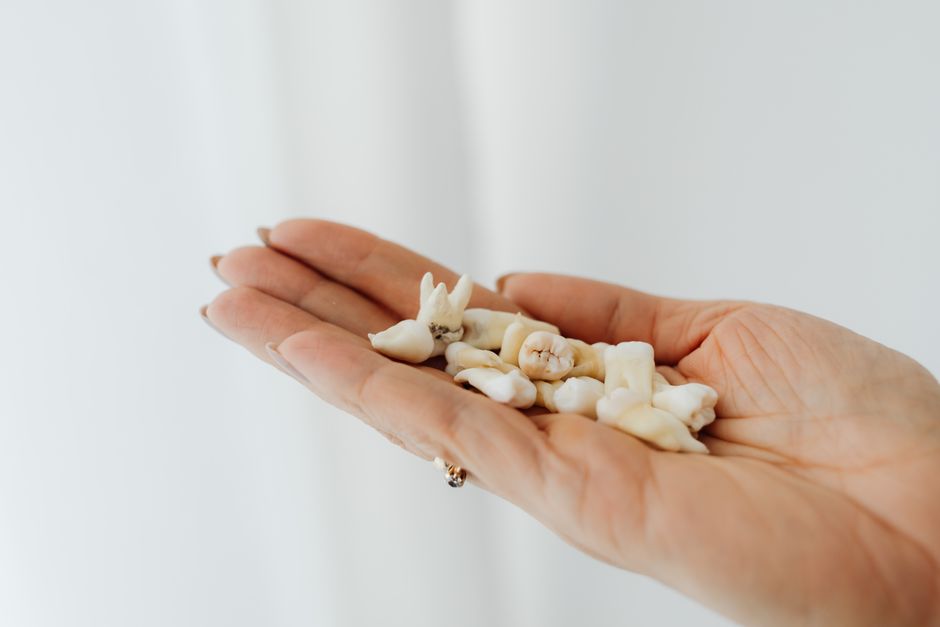
A dead tooth is a tooth where the pulp inside has died. This happens when the blood supply to the pulp is cut off. The most common causes are deep cavities, trauma, and cracks in the tooth. Signs include tooth discoloration, pain that may come and go, and swelling around the gum. Treatment usually involves a root canal or removing the tooth.
What causes a dead tooth?
The pulp is the soft center of your tooth. It contains nerves and blood vessels. When the blood supply to the pulp stops, the pulp dies. This is called pulp necrosis.
Deep cavities are the most common cause. Bacteria from decay reach the pulp, causing infection and inflammation. The pressure inside the tooth cuts off the blood flow, and the pulp dies.
Trauma is another common cause. A hard hit to the mouth can tear the blood vessels at the root tip. Even if the tooth looks fine, the pulp may die from the injury. This can happen immediately or months later.
Cracks in the tooth can let bacteria enter the pulp. A crack may extend deep into the root, allowing bacteria to reach the pulp and cause necrosis.
Repeated dental procedures on the same tooth can also harm the pulp. Large fillings or multiple crowns can reduce blood flow over time.
Clenching or grinding your teeth puts constant pressure on the tooth. This strain can slowly damage the pulp and cut off its blood supply.
Sometimes a tooth dies with no clear cause. In some cases, a small unnoticed injury or a tiny crack is the reason.
What are the signs of a dead tooth?
The first sign many people notice is a change in tooth color. A dead tooth often turns gray, dark yellow, or brown. This happens because the red blood cells inside the pulp break down and release pigments into the tooth.
Pain is common but not always present. When the pulp dies, pain may be severe at first. But if the nerve dies completely, the pain can stop. This lack of pain can be misleading because infection may still be present.
Infection from a dead tooth can cause swelling in the gum near the root. A pimple-like bump called a fistula may appear on the gum. This is a sign that pus is draining from the infection.
Bad taste in the mouth can occur if the infection drains. You may also notice the tooth feels loose or different when you bite.
Some dead teeth cause no symptoms at all. They are found only during a dental exam with X-rays.
How do I know if my tooth is dead?
A dentist can usually tell if a tooth is dead. They will look at the color of the tooth and check for swelling. They will also tap on the tooth or apply cold to see how it responds. A dead tooth often does not feel cold or feels different from neighboring teeth.
X-rays can show signs of infection at the root tip, such as a dark area. This is called a periapical radiolucency. It indicates that bone is being damaged by the infection.
Vitality tests are more accurate. A dentist uses a small electric current or a cold spray to check if the pulp responds. If there is no response, the pulp is dead.
It is important not to rely only on pain. As mentioned, a dead tooth can be painless. If you suspect a tooth might be dead, see a dentist for an exam.





Should I worry about a dead tooth?
A dead tooth is not an emergency unless there is severe swelling or infection that makes it hard to breathe or swallow. In that case, seek immediate care.
But a dead tooth should not be ignored. Without treatment, the infection can spread to the surrounding bone and cause an abscess. An abscess is a pocket of pus that can cause pain, swelling, and fever. In rare cases, the infection can spread to other parts of the body.
The bone around the root of a dead tooth can gradually be destroyed. This can lead to tooth loss and damage to nearby teeth.
Treating a dead tooth early prevents these complications and saves the tooth if possible.
How is a dead tooth treated?
Root canal therapy is the main treatment. The dentist or endodontist drills into the tooth and removes the dead pulp. They clean and disinfect the inside of the tooth, then fill it with a rubber-like material. After a root canal, a crown is usually placed on the tooth to protect it.
A root canal allows you to keep the natural tooth. It is effective in about 90 percent of cases when done correctly.
If the tooth is too damaged or the root canal fails, extraction may be the only option. After removal, you can replace the tooth with a bridge, implant, or partial denture.
Antibiotics alone do not cure a dead tooth. They can treat an active infection, but the dead pulp must be removed. Antibiotics without root canal will not stop the problem from returning.
| Treatment Option | What Happens | Pros | Cons |
|---|---|---|---|
| Root Canal | Pulp removed, tooth cleaned and sealed | Saves the natural tooth | Requires multiple visits; crown needed |
| Extraction | Tooth removed | Removes infection source permanently | Tooth loss; replacement needed (implant, bridge) |
Can a dead tooth get better on its own?
No. Once the pulp dies, it cannot heal or regenerate. The dead tissue remains inside the tooth and will eventually become infected. Time may vary from weeks to years, but treatment is always needed.
Leaving a dead tooth untreated does not make it better. The tooth will continue to decay and may eventually break. Infection can spread silently without pain until it becomes a serious problem.
Frequently Asked Questions
Can a dead tooth cause health problems?
Yes, if the infection spreads it can cause an abscess, bone loss, and in rare severe cases, infection can reach other parts of the body. That is why treatment is important.
Is a dead tooth always painful?
No. A dead tooth can be painless, especially after the nerve dies. Pain may occur when infection causes inflammation, but some dead teeth cause no discomfort at all.
How long can you leave a dead tooth untreated?
There is no safe timeline. Some people go months or years without problems, but infection can become serious at any point. Early treatment is recommended to avoid complications.
Can a dead tooth be saved?
Often yes, with a root canal. The success rate is high if the tooth is not too badly damaged and the root canal is done correctly. Extraction is the alternative if saving the tooth is not possible.
