

Your gut is home to trillions of bacteria, and the mix of those bacteria affects far more than digestion. There is no single fix for gut health. What helps most is a pattern of eating and living that feeds beneficial bacteria, avoids unnecessary disruption, and gives the system time to stabilize. For most healthy adults, that means more fiber and fermented foods, fewer unnecessary antibiotics, regular sleep, and patience — measurable changes in gut bacteria typically take weeks to months, not days.
What Does “Gut Health” Actually Mean?
Your gastrointestinal tract runs from your mouth to your colon. It contains roughly 100 trillion microorganisms — bacteria, viruses, fungi, and other microbes — collectively called the gut microbiome. Most live in the large intestine.
These microbes help break down fiber your body cannot digest, produce certain vitamins, and interact with your immune system. The gut contains a large share of the body’s immune tissue, which is one reason researchers study its role in allergies, inflammation, and metabolic health.
“Gut health” is not a formal medical diagnosis. It is a broad term covering how well your digestive system works and how balanced your microbiome is. Because there is no standard clinical test for overall gut health, claims that a product “fixes” your gut are difficult to verify. That matters when you are deciding what to buy.
How Do You Fix Your Gut Health?
You fix your gut health by changing what you feed your microbes and reducing what damages them. The evidence consistently supports a few core habits over any single supplement or cleanse.
Eat more fiber from varied plant sources. Fiber is the main fuel for beneficial gut bacteria. When bacteria ferment fiber, they produce short-chain fatty acids like butyrate, which feed the cells lining your colon. Different plant foods feed different bacteria, so variety matters more than any one “superfood.”
Include fermented foods. Yogurt with live cultures, kefir, sauerkraut, kimchi, and miso contain live microorganisms. A small Stanford University study published in the journal Cell found that a diet rich in fermented foods increased microbiome diversity and reduced markers of inflammation in healthy adults. This was a short study in a limited number of people, so treat it as encouraging rather than definitive.
Limit unnecessary antibiotics. Antibiotics kill harmful bacteria, but they also disrupt beneficial species. Some disruption can last months. Take antibiotics only when a clinician prescribes them for a genuine bacterial infection, and never pressure a provider for them when they are not indicated.
Protect your sleep and manage stress. Poor sleep and chronic stress are associated with changes in the microbiome in observational studies. The direction of cause and effect is not fully clear, but the association is consistent enough to take seriously.
Move your body regularly. Physical activity is linked to greater microbial diversity in several studies. The effect appears modest, and researchers are still working out how strong the relationship is.
What Foods Help and Hurt Your Gut Bacteria?
Food is the most powerful lever you have over your microbiome. What you eat repeatedly shapes which bacteria thrive.
Foods that generally support a healthy microbiome:
- Vegetables, fruits, and whole grains — especially a wide variety
- Legumes such as beans, lentils, and chickpeas
- Nuts and seeds
- Fermented foods with live and active cultures
- Foods rich in prebiotics, such as garlic, onions, oats, and bananas
Foods and habits that tend to work against it:
- Diets very high in ultra-processed foods and added sugar
- Very low fiber intake over long periods
- Heavy or frequent alcohol use
- Repeated courses of antibiotics without medical need
One clarification worth knowing: the word “prebiotic” is not a marketing synonym for “probiotic.” Prebiotics are fibers that feed your existing bacteria. Probiotics are live microorganisms you consume. They do different things, and both appear in whole foods.

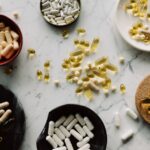



Do Probiotic Supplements Actually Work?
Probiotic supplements help in some specific situations, but they are not a general fix for gut health. This is one of the most oversold categories in the supplement aisle.
Evidence is strongest for certain clinical uses — for example, some specific strains have been studied for reducing antibiotic-associated diarrhea and for certain digestive conditions. Even here, effects depend on the exact strain, dose, and the person taking it.
For generally healthy adults hoping to “improve gut health,” the evidence is weak. Many commercial products contain strains that have not been tested for the claims on the label. Supplements are also regulated differently from medications in the United States, so what is on the label is not always what is in the bottle.
If you and a clinician decide a probiotic is worth trying for a specific reason, that is a reasonable conversation. Taking one indefinitely with no clear goal is not supported by strong evidence.
What About Cleanses and Detox Products?
Gut cleanses and detox products do not improve gut health, and some can cause harm. Your liver and kidneys already filter waste from your blood. No tea, powder, or cleanse removes toxins from your gut in a way your body is not already doing.
Many cleanses work mainly by causing diarrhea or laxative effects. That can lead to dehydration and electrolyte imbalances, and it disrupts the very bacteria the product claims to help. The evidence that these products improve long-term gut health is essentially absent.
Can You Test Your Gut Health?
Direct-to-consumer microbiome tests can describe which bacteria are in a stool sample, but they cannot reliably tell you how healthy your gut is or what to do about it. There is no agreed standard for what a “healthy” microbiome looks like, because it varies widely between individuals.
Results also vary from sample to sample in the same person, which limits how much a single test can tell you. If you have persistent digestive symptoms, a clinician can run validated tests for specific conditions — such as celiac disease or infections — rather than a general microbiome panel.
When Should You See a Doctor?
Talk to a clinician if you have symptoms that persist or concern you. These include:
- Blood in your stool
- Unexplained weight loss
- Persistent diarrhea or constipation lasting more than a few weeks
- Severe or worsening abdominal pain
- Fever with digestive symptoms
These signs do not automatically mean something serious, but they warrant evaluation rather than self-treatment. A clinician can rule out conditions such as inflammatory bowel disease, celiac disease, or infection, which require specific treatment rather than general gut-health advice.
How Long Does It Take to Improve Gut Health?
Changes in the microbiome can begin within days of a diet shift, but meaningful and lasting changes generally take weeks to months. This is a gradual process, not a switch.
Fiber increases often cause temporary bloating or gas as your bacteria adjust. That usually eases over a week or two if you increase fiber gradually rather than all at once. If you add fermented foods, start small and build up. If symptoms worsen or do not settle, that is a reason to check with a clinician rather than push through.
Frequently Asked Questions
What is the fastest way to fix gut health?
There is no fast fix — meaningful microbiome changes typically take weeks to months. The most reliable starting point is increasing fiber from varied plant foods and adding fermented foods gradually.
Are probiotics worth taking for gut health?
For specific conditions like antibiotic-associated diarrhea, certain strains have supporting evidence. For general gut health in healthy adults, the evidence is weak and many products are not well verified.
Do gut cleanses actually work?
No. Cleanses and detox products have no evidence of improving long-term gut health, and some cause dehydration or electrolyte problems. Your liver and kidneys already handle waste removal.
How long does it take to see results from a gut-health diet?
Some bacterial shifts can start within days, but lasting changes usually take weeks to months. Temporary bloating when increasing fiber is common and typically eases within a week or two.
