
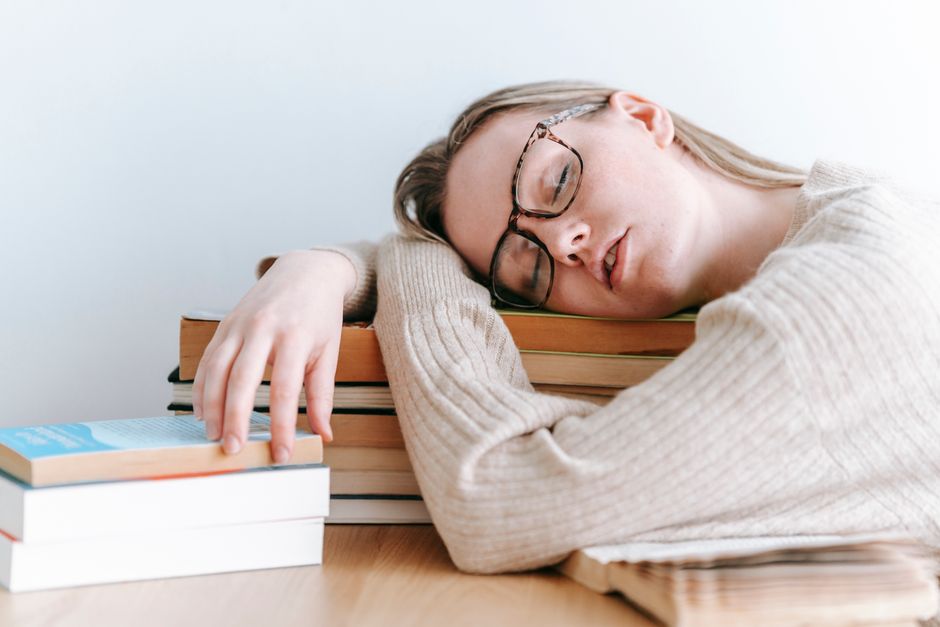
Falling asleep easily is not about trying harder. It is about working with your body’s sleep system instead of against it. Two forces control when you drift off: sleep pressure, which builds the longer you stay awake, and your circadian rhythm, the internal clock that tells your brain when sleep should happen. When those two line up, sleep comes on its own. When they are out of step, you can lie in bed exhausted and still stay awake.
The most reliable way to fall asleep easily is to keep a consistent wake time, get bright light early in the day, and give your brain a clear wind-down period before bed. These steps strengthen both sleep pressure and your body clock. Most people notice a difference within one to two weeks of doing them consistently.
Why Can’t I Fall Asleep Even When I’m Tired?
Feeling tired and feeling sleepy are two different states, and the brain treats them differently. Tiredness is a general sense of low energy. Sleepiness is the specific drive to sleep, and it is governed by your circadian clock and by how long you have been awake.
You can be physically exhausted and still not sleepy. This happens when your body clock is set to “awake” even though your energy is gone. It also happens when your nervous system is activated, which is common when you are stressed, worried, or mentally revved up at bedtime.
There is a second reason many people cannot fall asleep. Lying in bed awake trains the brain to associate the bed with frustration and alertness rather than sleep. Over time, the bed itself becomes a trigger for wakefulness. This is a well-documented pattern, and it is one reason sleep specialists focus on what you do in bed, not just how many hours you spend there.
Caffeine and alcohol both interfere with sleep onset. Caffeine blocks a chemical called adenosine that builds up during the day and creates sleep pressure. Alcohol can make you feel drowsy at first, but as the body processes it, sleep becomes lighter and more fragmented.
What Is the Best Routine to Fall Asleep Easily?
A consistent wake time is the single most powerful habit for falling asleep easily. It anchors your body clock. When you wake at the same time every day, your circadian rhythm learns when to start and stop the sleep signal.
Most adults need seven to nine hours of sleep. Working backward from a fixed wake time gives you a target bedtime range rather than a rigid minute.
Build a wind-down period of 30 to 60 minutes before bed. During this time, lower the lights, stop work and stressful conversations, and choose calm activities. Reading, light stretching, or quiet music all work. The goal is to signal to your brain that the day is ending.
Keep your bedroom cool, dark, and quiet. A slightly cool room supports the natural drop in core body temperature that helps trigger sleep. Light exposure at night, especially from screens, can delay melatonin release, the hormone that helps regulate sleep timing.
- Wake at the same time every day, including weekends
- Get bright light within the first hour after waking
- Set a wind-down alarm 30 to 60 minutes before bed
- Dim lights and reduce screen brightness in the evening
- Keep the bedroom cool, dark, and quiet
- Use the bed only for sleep and intimacy
Does Light Exposure Really Affect How Fast You Fall Asleep?
Yes, and the effect is well established. Light is the main signal your body uses to set its internal clock. Bright light in the morning tells your brain it is daytime and helps shift your rhythm earlier. Light in the evening tells your brain to stay alert and can push sleep later.
Morning light is the more powerful lever. Getting outside within the first hour of waking, even on a cloudy day, delivers far more light than indoor lighting. This helps set a clock that will make you sleepy at the right time that night.
Evening light works in the opposite direction. Ordinary room light is usually fine, but very bright light close to the eyes shortly before bed can delay sleepiness. Dimming lamps and reducing screen brightness in the last hour helps protect your natural sleep signal.
One clarification worth knowing: the issue is not screens themselves but the light they emit and the mental stimulation they provide. A calm activity on a dim screen is different from scrolling stimulating content in a bright room.





Should You Stay in Bed If You Can’t Sleep?
No. If you have been lying awake for what feels like a long stretch, get up and do something quiet in low light until you feel sleepy, then return to bed. Staying in bed frustrated strengthens the link between bed and wakefulness.
This approach is part of a well-supported method called stimulus control. It retrains the brain so the bed becomes a cue for sleep again. It is one of the most effective behavioral strategies for insomnia, and it is often more helpful than trying to force sleep.
Keep the activity boring and calm. Reading a book under a dim lamp is a common choice. Avoid bright screens, checking the time repeatedly, and anything that raises your heart rate or your stress level.
If you wake in the middle of the night and cannot return to sleep, the same rule applies. Do not lie there watching the clock. A short, quiet break often resets the process.
When Should You Talk to a Doctor About Sleep?
Occasional trouble falling asleep is common and usually responds to the habits above. Ongoing difficulty that persists for weeks, affects your daytime function, or leaves you exhausted most days is worth discussing with a clinician.
Some sleep problems have underlying causes that lifestyle changes alone will not fix. Loud snoring, gasping or pauses in breathing during sleep, and persistent daytime sleepiness can point to sleep apnea, a condition that needs medical evaluation. Restless legs, chronic pain, thyroid problems, and depression can all interfere with sleep onset.
Certain medications also affect sleep. If you started a new prescription around the time your sleep changed, that timing is worth mentioning to your doctor.
Cognitive behavioral therapy for insomnia, often called CBT-I, is the first-line treatment for chronic insomnia and is supported by substantial evidence. It is a structured program, usually delivered over several sessions, that addresses the thoughts and behaviors keeping sleep out of reach. If self-help steps are not enough, this is a well-established option to ask about.
Be cautious with sleep aids and supplements. Many over-the-counter products have limited evidence for long-term benefit, and some carry risks such as next-day drowsiness or dependence. Talk with a clinician or pharmacist before relying on them.
How Long Should It Take to Fall Asleep?
For most healthy adults, falling asleep takes roughly 10 to 20 minutes. This range is a general guide, not a strict rule. Some people drift off faster, and some take a little longer, and both can be normal.
If it regularly takes you much longer, that is a signal to look at your routine rather than to worry about the number. The habits that build sleep pressure and steady your body clock are the same ones that shorten the time to sleep.
One thing to avoid is watching the clock. Checking the time repeatedly increases mental arousal and makes sleep less likely. Turn the clock away if you can.
Can Stress and Worry Keep You Awake?
Stress is one of the most common reasons people cannot fall asleep, and the mechanism is straightforward. A worried or alert brain releases arousal signals that compete directly with the calm state sleep requires. The more you try to force sleep, the more alert you tend to become.
A simple technique is to set aside a “worry time” earlier in the evening. Write down what is on your mind and any next steps, then close the notebook. This moves the mental processing out of the bedroom. Some people find that a short breathing practice or gentle muscle relaxation at bedtime helps settle the body.
If worry about sleep itself becomes a nightly pattern, that is a recognized problem and a good reason to seek professional support. Persistent insomnia is treatable, and you do not have to manage it alone.
Frequently Asked Questions
How do you fall asleep easily in 5 minutes?
You cannot reliably force sleep in five minutes, but you can make it more likely by keeping a steady wake time and a calm wind-down routine. Sleep onset depends on sleep pressure and your body clock, which build over the whole day, not in the last few minutes.
What should I do if I can’t fall asleep after 20 minutes?
Get out of bed and do something quiet in low light until you feel sleepy, then return. Staying in bed awake teaches your brain to link the bed with being alert.
Does melatonin help you fall asleep faster?
Melatonin can help shift sleep timing, and it is most useful for adjusting to time changes or shift work. Evidence for it as a general sleep-onset aid is mixed, so talk with a clinician before using it regularly.
Is it bad to look at your phone before bed?
Bright light and stimulating content close to bedtime can delay sleepiness. Dimming your screen and choosing calm content lowers that effect, but a screen-free wind-down is generally easier on sleep.
