
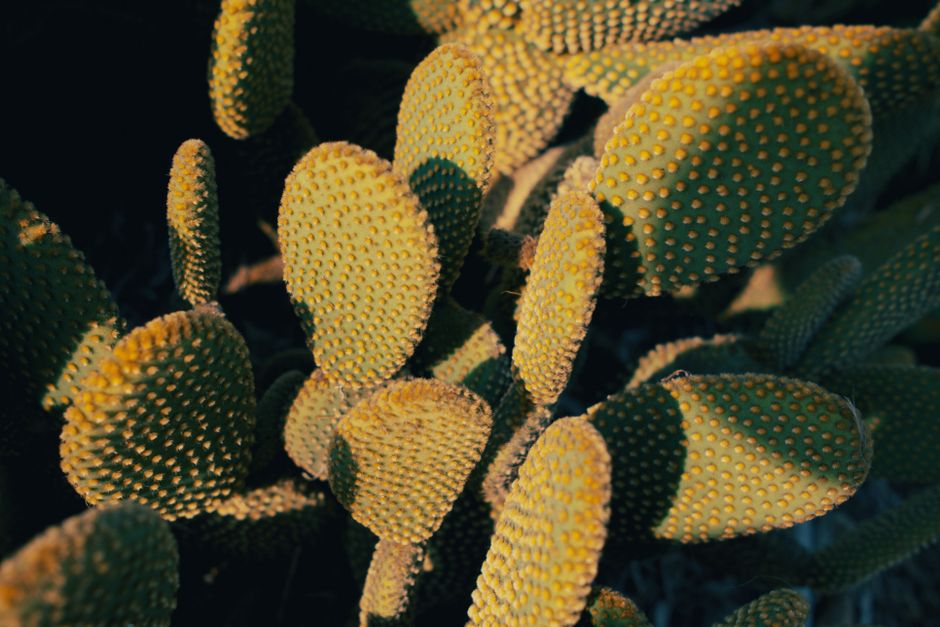
Prickly pear cactus is eaten in two main ways: the sweet fruit, called tuna, is scooped out raw or cooked into jams and drinks, while the flat green pads, called nopales, are cleaned of their spines and cooked like a vegetable. Both parts are staples in Mexican and Southwestern cooking. Both are also surrounded by a surprising amount of confusion about safety, preparation, and what they actually do for your body.
What Parts of the Prickly Pear Cactus Can You Eat?
Two parts of the plant are commonly eaten, and they are very different foods.
The fruit grows at the top of the pads. It is sometimes called a tuna, though it has nothing to do with the fish. It comes in red, purple, orange, and yellow varieties. Inside is sweet, juicy flesh packed with small hard seeds. The taste is often compared to watermelon or bubblegum, though that comparison undersells how earthy it can be.
The pads, called nopales, are the flat oval sections of the cactus itself. Young, tender pads are harvested and eaten as a vegetable. They have a tart, slightly grassy flavor similar to green beans or okra. Older pads become tough and woody and are not worth eating.
Both the fruit and the pads are covered in spines and tiny hair-like prickles called glochids. These are the real hazard. Glochids are nearly invisible and lodge in skin easily. Handling the plant without gloves is a mistake most people make only once.
How Do You Eat Prickly Pear Cactus Fruit?
Start with gloves and tongs. The fruit is covered in glochids that will embed in your fingers and stay there.
Hold the fruit with tongs and rinse it under running water. Some people singe the surface over a flame or rub it with a cloth to remove the tiny prickles. Cut off both ends, then slice down the side and peel the skin away. The flesh inside is what you eat.
You can eat it raw with a spoon. The seeds are hard and numerous. Some people swallow them, some spit them out, and some strain them out when cooking. There is no harm in eating the seeds, but they are unpleasant to chew.
Cooking opens up more options. The fruit works well in jams, syrups, and sauces. It can be blended into smoothies or pressed for juice. In Mexico, the juice is often mixed with water and sugar to make a drink called agua de tuna. The fruit also freezes well if you scoop out the flesh first.
One practical note: the flesh stains. Red and purple varieties can leave marks on hands, cutting boards, and clothing. Wear an apron and use a cutting board you do not mind staining.
How Do You Prepare and Cook Nopales?
Nopales require more work than the fruit because the spines are larger and more numerous.
Wearing thick gloves, hold a pad with tongs. Use a sharp knife to scrape off the spines and the small raised bumps where they grow. Some people use a vegetable peeler for this. Once the pad is smooth, trim the edges.
Rinse the pad and slice it into strips or cubes. At this point you have a raw vegetable that many people find slimy when cooked, similar to okra. There are a few ways to manage that.
- Boil the pieces for a few minutes, then drain and rinse. This reduces the slime.
- Grill or pan-fry the whole pad or thick slices until the edges char. This gives a firmer texture.
- Soak raw slices in salted water before cooking to draw out some of the mucilage.
Cooked nopales are used in scrambled eggs, tacos, salads, and soups. They are also pickled and sold in jars. The flavor is mild enough that they take on whatever seasoning you use. Some people describe a slight sourness, which comes from naturally occurring acids in the plant.
If you buy nopales at a market, look for pads that are firm, bright green, and free of soft spots. Smaller pads tend to be more tender. Store them in the refrigerator and use them within a few days.


Are Prickly Pear and Nopales Safe to Eat?
For most people, yes. Both the fruit and the pads have a long history of use as food. They are not considered toxic.
There are a few things worth knowing.
Glochids are the main physical risk. They can lodge in the mouth or throat if the fruit or pads are not cleaned properly. This is uncommon but it happens. Clean thoroughly.
The seeds can cause digestive discomfort if eaten in large amounts, mostly because they are hard and difficult to break down.
Some people experience mild digestive upset when eating nopales for the first time, likely related to the fiber content. Starting with a small portion is reasonable.
Prickly pear is also sold as a dietary supplement, usually in capsule or powder form. That is a different product from the food, and the evidence for supplement claims is much weaker. More on that below.
If you are pregnant, breastfeeding, or managing a chronic condition, talk to a clinician before using prickly pear supplements. No clinical guidelines currently exist for prickly pear supplement use in these groups.
What Does Prickly Pear Actually Do for Blood Sugar and Health?
This is where the gap between marketing and evidence gets wide.
Prickly pear has been studied for its effects on blood sugar. Some small studies in humans have looked at whether eating the fruit or taking a supplement lowers blood glucose after a meal. Results have been mixed. Some trials showed a modest effect, others showed none. The studies were generally small, and the designs varied enough that it is hard to draw firm conclusions.
Prickly pear pads and fruit both contain fiber, which is well established to slow digestion and blunt blood sugar spikes when part of a meal. That is a general property of fiber, not something unique to this plant.
The fruit contains vitamin C and some antioxidants. The pads contain fiber, vitamin C, and small amounts of calcium and other minerals. These are real nutritional contributions, but they are not unusual. Many vegetables and fruits offer similar nutrients.
What the evidence does not support is the idea that prickly pear can replace medication for diabetes or any other condition. No large, well-controlled trial has shown that. Anyone taking blood sugar medication should not stop or change it based on prickly pear consumption.
There is also a common claim that prickly pear reduces hangover symptoms. A small number of studies have looked at this, and the results have not been consistent enough to support a clear recommendation. Anyone who tells you it is proven is overstating what the research shows.
How Does Prickly Pear Compare to Other Foods?
It helps to see where prickly pear fits nutritionally. The table below uses general ranges from standard food composition data. Exact values vary by variety and preparation.
| Nutrient | Prickly pear fruit (1 cup raw) | Nopales (1 cup cooked) |
|---|---|---|
| Calories | About 60 | About 20 |
| Fiber | Moderate | Moderate to high |
| Vitamin C | Present | Present |
| Sugar | Higher | Low |
| Texture | Juicy, seedy | Firm, slightly slippery |
The fruit is higher in sugar and calories because it is a fruit. The pads are low in calories and closer to a green vegetable. If you are watching blood sugar, the pads are the more sensible choice, though the fruit in reasonable portions is not a problem for most people.
Neither is a nutritional powerhouse on the level of leafy greens or berries. They are useful additions to a varied diet, not replacements for one.
Where to Buy Prickly Pear and What to Look For
Fresh prickly pear fruit and nopales are sold in many US grocery stores, especially in areas with Mexican and Southwestern populations. They also appear at farmers markets and specialty produce shops.
For the fruit, look for firm skin with no soft or moldy spots. Color varies by variety and does not always indicate ripeness. A slight give when pressed gently is a good sign.
For nopales, choose small to medium pads that are bright and firm. Avoid pads that look dull, limp, or have dark spots.
Both are also available in prepared forms. Nopales are commonly sold jarred or pickled. Prickly pear fruit is sold as juice, syrup, jam, and candy. These products often contain added sugar, so check labels if that matters to you.
Prickly pear supplements are widely sold online and in health food stores. The evidence for their specific claims is limited, as noted above. If you are considering one, talk to a clinician first, especially if you take any medication.
Frequently Asked Questions
Can you eat prickly pear cactus raw?
Yes. The fruit can be peeled and eaten raw, and young nopales pads can be eaten raw after the spines are removed, though many people prefer them cooked. Raw nopales tend to be slimy and are often boiled or grilled first.
Do you eat the seeds in prickly pear fruit?
The seeds are safe to eat but very hard, so most people spit them out or strain them when cooking. Eating a large number of them may cause digestive discomfort.
Does prickly pear lower blood sugar?
Some small studies suggest a possible modest effect, but results have been mixed and the studies were not large enough to draw firm conclusions. It should not be used as a replacement for diabetes medication.
How do you remove spines from prickly pear?
Wear thick gloves and use tongs to hold the fruit or pad. Scrape the surface with a knife or peel it, and rinse under running water. The tiny glochids are the hardest to remove and can lodge in skin if you skip gloves.
