
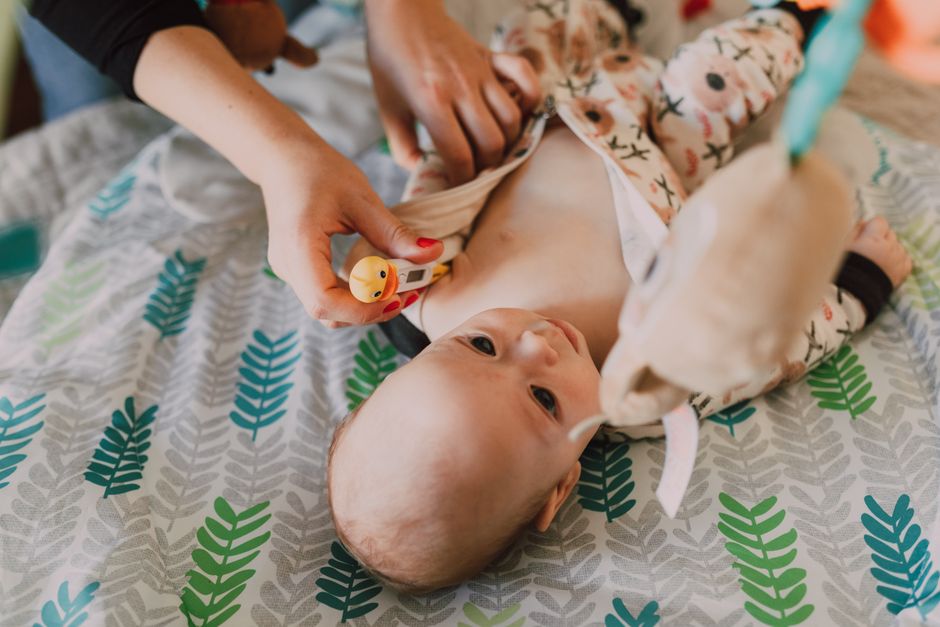
Newborns need about one more layer of clothing than an adult in the same room would wear to feel comfortable. Dress your baby in soft, close-fitting layers that are easy to remove, and check their temperature by feeling the back of the neck or the chest rather than the hands or feet. Keep the head covered in cool weather and skip blankets in the crib while your baby sleeps.
That is the short answer. The longer answer involves understanding why newborns lose heat so easily, how to read their comfort signals accurately, and which clothing choices carry real safety risks. This guide covers all of it, with the honest limits of what the evidence supports.
Why Do Newborns Need Different Clothing Than Adults?
Newborns lose heat faster than adults because their bodies handle temperature differently. They have a larger skin surface relative to their body weight, which means more area for heat to escape. They also carry less insulating fat than older children and adults. And their ability to shiver — one of the main ways the body generates heat — is limited in the first months.
The result is that a newborn can cool down quickly in a room that feels fine to you. This is why health organizations emphasize keeping babies warm during and after birth, and why dressing in layers matters more for them than for you.
There is a flip side. Newborns can also overheat, and overheating is linked to a higher risk of sudden infant death syndrome (SIDS). The link between overheating and SIDS risk is well established in the research literature. So the goal is not to bundle your baby as warmly as possible. The goal is to keep them comfortably warm, not hot.
How Do You Dress A Newborn for Different Temperatures?
Use the one-extra-layer rule as your starting point, then adjust based on the room and the season. A practical approach is to dress your baby as you would dress yourself for the same indoor temperature, then add a single light layer.
For a room kept at a typical comfortable indoor temperature, a short-sleeved bodysuit with a light sleepsuit over it is often enough. If the room is cool, add a layer. If it is warm, remove one.
For outdoor cold, think in thin layers rather than one thick garment. Thin layers trap warmth and let you remove one without undressing your baby completely. A hat matters in cold weather because a newborn’s head is a relatively large part of their body surface.
For hot weather, a single light layer of breathable fabric is usually enough. Newborns do not sweat efficiently, so they rely on you to keep them from getting too hot. Shade and airflow matter more than clothing in heat.
- Cool room or cold weather: one extra thin layer, plus a hat outdoors
- Comfortable room: one layer more than you would wear
- Warm room or hot weather: a single light, breathable layer
- Sleep: a fitted sleepsuit or a correctly sized sleep sack, no loose blankets
How Can You Tell If Your Baby Is Too Hot or Too Cold?
Check the back of the neck or the chest, not the hands and feet. A newborn’s hands and feet often feel cool even when their core temperature is normal, because circulation to the extremities is not fully mature. Using cold hands as a signal to add layers is one of the most common mistakes parents make.
If the back of the neck feels warm and slightly damp, your baby is probably too hot. If it feels cool to the touch, they may need a layer. If it feels comfortably warm and dry, the clothing is about right.
Other signals are worth watching. A baby who is too hot may look flushed, feel sweaty, or seem restless. A baby who is too cold may be unusually quiet or have cool skin across the chest and back, not just the hands.
Fever is a separate matter. A rectal temperature of 100.4°F (38°C) or higher in a baby under 3 months old is a medical emergency and warrants immediate contact with a doctor or emergency services. Do not try to treat it by changing clothing alone.





What Should a Newborn Wear to Sleep?
A fitted sleepsuit or a correctly sized sleep sack is the safest choice for sleep. Loose blankets, pillows, bumper pads, and soft toys should stay out of the crib. This guidance comes from safe sleep recommendations that are widely endorsed by pediatric organizations.
The reason is not fussiness. Loose bedding can cover a baby’s face or become tangled, and it is associated with an increased risk of sleep-related death. A sleep sack keeps a baby warm without that loose fabric risk, as long as it fits well around the neck and arms.
Do not overdress for sleep. A baby who is too warm during sleep is at higher risk of overheating, which is linked to SIDS. A common approach is a light sleepsuit plus a sleep sack sized for the room temperature, with no hat indoors during sleep.
One clarification that surprises many parents: a hat should not be worn indoors during sleep. A hat can trap heat and contribute to overheating. It belongs outdoors in cool weather, not in the crib.
What Fabrics and Features Are Best for Newborn Clothing?
Soft, breathable natural fibers are the usual first choice. Cotton is common because it is breathable and gentle on skin. Some parents prefer merino wool for cold weather because it regulates temperature well, though it costs more and some babies find it itchy.
Look for a few practical features. Flat seams reduce rubbing on delicate skin. Snaps or zippers that open fully make diaper changes easier without undressing your baby. Stretchy fabric lets the clothing go on and off without tugging.
Wash new clothing before the first wear. Newborn skin is thin and can be sensitive to dyes and finishes left on new fabric. A fragrance-free detergent is a reasonable choice for the first months.
Avoid clothing with long drawstrings around the neck, loose ribbons, or anything that could wrap around a limb. These are strangulation and circulation risks, not just inconveniences.
How Many Layers Should a Newborn Wear in the Hospital and at Home?
In the hospital, staff usually guide you. Newborns are often kept in a diaper and a light shirt under a blanket for skin-to-skin contact and feeding, then dressed more fully when they go home. Follow the nurses’ guidance during that stay.
At home, the one-extra-layer rule applies. Keep the room at a comfortable temperature and check your baby’s neck and chest regularly, especially in the first weeks when their temperature control is still developing.
Expect to adjust often. A newborn’s needs change through the day, and what works at night may be too warm in the afternoon. Layering makes those adjustments quick.
What Are the Most Common Dressing Mistakes?
The most common mistake is overdressing. Parents often add layers because a baby’s hands feel cold, then find the baby is flushed and sweaty. Overheating is a real risk, especially during sleep.
The second most common mistake is using loose blankets in the crib. A sleep sack or fitted sleepsuit is safer. If you are unsure whether a sleep sack fits correctly, check that it does not ride up over the face and that the neck opening is snug but not tight.
A third mistake is dressing a baby in clothing that is too large. Oversized garments can bunch up, trap heat unevenly, and pose a risk if fabric covers the face. Close-fitting clothing that allows movement is better than loose, baggy clothing.
Finally, some parents skip the hat outdoors in cold weather, or leave one on indoors during sleep. Both are worth correcting. A hat outdoors in the cold helps; a hat indoors during sleep can contribute to overheating.
Frequently Asked Questions
How do I know if my newborn is warm enough?
Feel the back of the neck or the chest. If it is warm and dry, your baby is comfortable; if it feels cool, add a layer, and if it feels hot or damp, remove one.
Should a newborn wear a hat to sleep?
No. A hat should not be worn indoors during sleep because it can trap heat and contribute to overheating, which is linked to SIDS risk.
Can a newborn sleep with a blanket?
No. Loose blankets in the crib are a safety risk; use a fitted sleepsuit or a correctly sized sleep sack instead.
How many layers does a newborn need at night?
About one more layer than you would wear in the same room, usually a light sleepsuit plus a sleep sack sized for the temperature, with no hat.
