
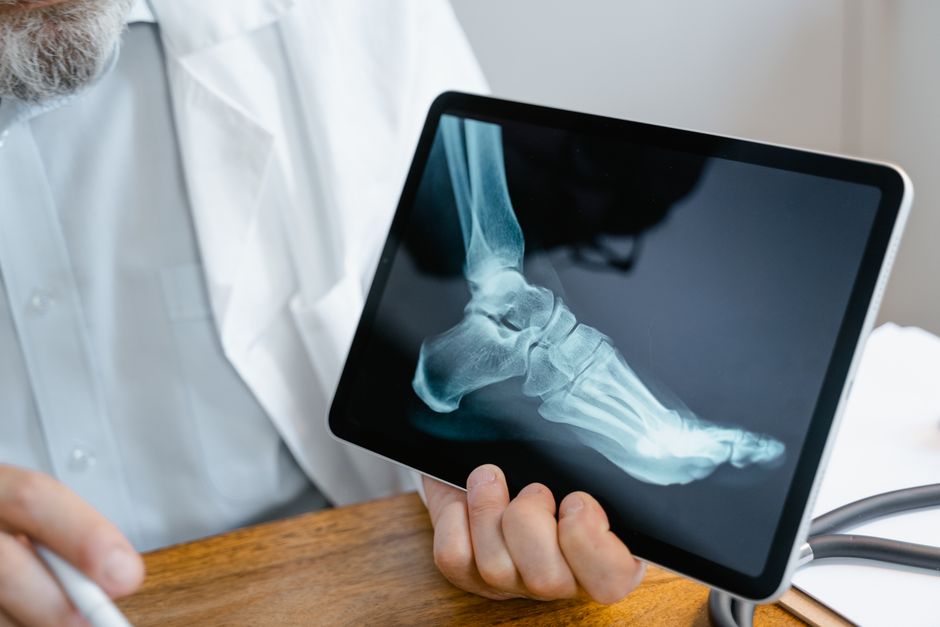
Bone spurs sound like something that should be removed, but the name is misleading. A bone spur, or osteophyte, is not a sharp fragment floating in your joint. It is new bone your body grew at the edge of a joint or along a tendon, usually in response to long-term pressure or the wear-and-tear of osteoarthritis. The honest answer to how you cure bone spurs is this: there is no pill, cream, or supplement that dissolves them. Treatment focuses on the pain and stiffness they cause, and surgery is the only way to physically remove one. Many bone spurs cause no symptoms at all and need no treatment.
What Exactly Is a Bone Spur?
A bone spur is a growth of extra bone that forms where bones meet, most often in the spine, feet, hands, hips, and knees. It develops slowly, usually over years, as the body tries to stabilize a joint that cartilage loss has made less stable.
The process is tied closely to osteoarthritis. As the smooth cartilage cushioning a joint wears down, the joint becomes less stable. In response, cells in the bone build new bone at the margins of the joint. This is a repair attempt, but the new bone can press on nerves, tendons, or other structures and cause pain.
This is why bone spurs are not really a standalone disease. They are a sign of an underlying joint problem. Treating the spur without addressing the joint is like painting over a crack in a wall.
One detail worth knowing: a bone spur is not the same as a heel spur causing plantar fasciitis pain. Many people with heel pain are told they have a spur, but imaging studies have found heel spurs in plenty of people who have no foot pain at all. The spur is often a bystander, not the cause.
What Are the Symptoms of Bone Spurs?
Most bone spurs cause no symptoms. You can have one for years and never know it. Symptoms appear only when a spur rubs against or presses on nearby tissue.
When symptoms do occur, they depend on location:
- Spine: Stiffness, back or neck pain, and sometimes numbness or weakness in an arm or leg if a spur narrows the space around a nerve or the spinal cord.
- Knee or hip: Pain with movement and reduced range of motion.
- Foot or heel: Pain when standing or walking, sometimes with a visible bump.
- Hand: A hard bump near a joint, sometimes with pain or stiffness.
Spinal spurs deserve extra caution. If a spur narrows the spinal canal, a condition called spinal stenosis, it can cause leg heaviness, balance problems, or numbness. Those symptoms need medical evaluation, not home remedies.
How Do You Cure Bone Spurs Without Surgery?
You cannot cure a bone spur without surgery, because nothing except surgical removal takes the extra bone away. What you can do is reduce the pain and inflammation it causes, often enough that the spur stops being a problem in daily life.
Common approaches include:
- Activity changes: Reducing the movements that irritate the joint, and switching to lower-impact activity.
- Physical therapy: Strengthening the muscles around the joint to improve stability and reduce strain.
- Pain relievers: Over-the-counter medications such as acetaminophen or anti-inflammatory drugs like ibuprofen can ease pain. These treat symptoms, not the spur.
- Weight management: For weight-bearing joints like knees and hips, less load can mean less pain, though this is a general principle rather than a spur-specific cure.
- Ice and rest: Useful for flare-ups of inflammation.
These measures work for many people because the pain usually comes from inflammation and joint strain, not from the spur itself. If they do not help, the next steps are guided by a clinician.





What Medical Treatments Can Help Bone Spur Pain?
When self-care is not enough, doctors have several options. None of them remove the spur, but they can reduce pain and improve function.
Cortisone injections can reduce inflammation in a painful joint or around an irritated tendon. Relief is often temporary, and repeated injections in the same spot carry risks, so they are used with care.
Physical therapy is a mainstay for spinal and joint spurs. A therapist can teach exercises that strengthen supporting muscles and improve posture, which can take pressure off irritated structures.
Medications for nerve-related symptoms, such as certain antidepressants or anticonvulsants, are sometimes prescribed when a spinal spur irritates a nerve. These are used for nerve pain specifically, not for the spur itself.
It is worth being direct about what does not work. No supplement, laser, massage, or topical product has been shown to dissolve or shrink a bone spur. Claims that a product “removes” spurs are not supported by clinical evidence.
When Is Surgery Needed for Bone Spurs?
Surgery is the only way to remove a bone spur, and it is reserved for cases where the spur causes serious problems that other treatments have not helped.
Surgery may be considered when:
- A spinal spur presses on the spinal cord or nerves, causing weakness, numbness, or loss of function.
- Pain is severe and limits daily life despite months of other treatment.
- A spur blocks joint movement or causes significant deformity.
The procedure depends on location. Some spurs can be removed with a small operation. Spinal spurs that narrow the canal may require a laminectomy or similar surgery to open space around the nerves. Recovery varies widely by procedure and by person, so timelines should come from your surgeon, not from a general guide.
Surgery is not a guaranteed fix. Because the underlying joint problem often remains, some people still have symptoms afterward. This is why doctors usually try other options first.
Can You Prevent Bone Spurs?
You cannot fully prevent bone spurs, because aging and osteoarthritis are not entirely avoidable. But you can reduce some of the strain that drives them.
Steps that support joint health generally include staying physically active with low-impact exercise, maintaining a healthy weight, protecting joints from repeated heavy stress, and managing conditions like diabetes that can affect joints and feet.
These steps are about joint health overall. They are not proven to stop bone spurs from forming, and it would be misleading to promise that. The realistic goal is keeping joints as healthy as possible and catching problems early.
Do Bone Spurs Always Need Treatment?
No. Many bone spurs are found by accident on an X-ray taken for another reason and never cause a problem. In those cases, no treatment is needed.
The decision to treat depends on symptoms, not on the spur’s presence. If it does not hurt and does not press on anything important, it can simply be monitored. This is one of the most useful things to understand: a finding on an image is not the same as a disease that needs fixing.
Frequently Asked Questions
Can bone spurs go away on their own?
No, bone spurs do not go away on their own because they are solid bone. However, the pain they cause often improves with treatment, even though the spur itself remains.
What is the best treatment for bone spurs?
There is no single best treatment, because it depends on where the spur is and what symptoms it causes. Most people start with physical therapy, activity changes, and pain relievers, with surgery reserved for severe cases.
Do supplements dissolve bone spurs?
No supplement has been shown to dissolve or shrink a bone spur in clinical studies. Products marketed for this purpose are not supported by evidence.
When should I see a doctor for a bone spur?
See a doctor if you have persistent joint pain, numbness, weakness, or trouble walking. These symptoms can point to nerve pressure that needs evaluation.
