
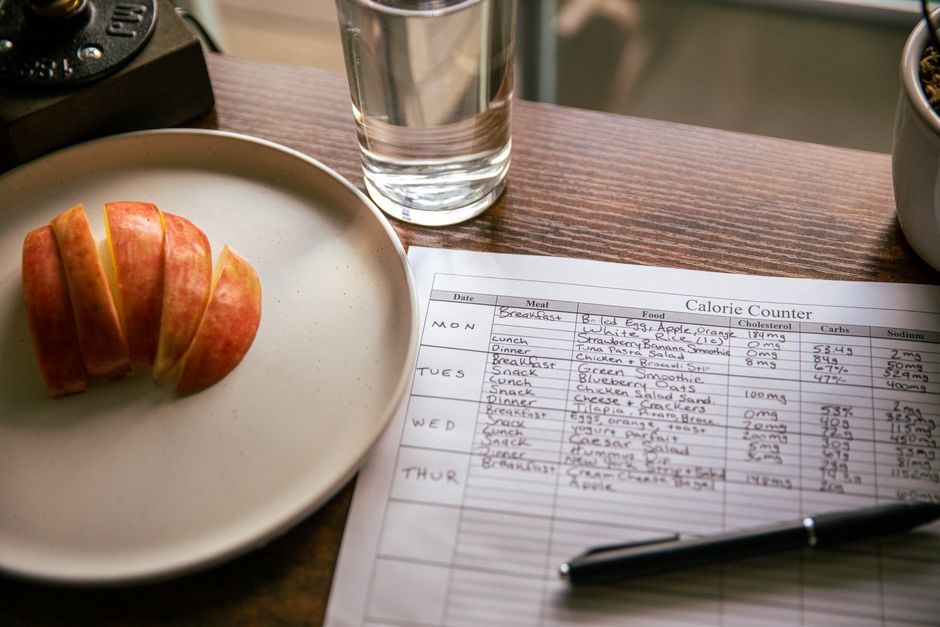
Counting calories is a straightforward process: you find out how many calories are in the food you eat, measure your portion sizes, and track the total for the day. You then compare that number to your body’s energy needs to manage your weight. It requires consistency and accurate portion awareness, but the basic math is simple once you know the steps.
What Is a Calorie and Why Does It Matter?
A calorie is a unit of energy. Your body uses calories from food and drink to fuel everything from breathing and heartbeat to walking and thinking. The number of calories you consume versus the number you burn determines whether you gain, lose, or maintain weight.
This concept is known as the energy balance equation. When you eat more calories than your body burns, the surplus is stored, mostly as fat. When you burn more than you eat, your body draws on stored energy, and weight goes down. This is the foundation of all calorie counting.
Not all calories are identical in how they affect hunger and metabolism. Protein, carbohydrate, and fat are processed differently by the body. But for weight change, the total number of calories is the primary driver.
How Do You Count Calories? Step-by-Step
The first step is knowing what is in your food. Most packaged foods have a nutrition facts label that lists calories per serving. You need to check the serving size, because a small bag of chips may contain two or three servings, not one.
For whole foods without labels, such as fruits, vegetables, meat, and rice, you use a reference database. The United States Department of Agriculture maintains a comprehensive food composition database that lists calories for thousands of foods. Many smartphone apps use this data to make tracking easier.
The second step is measuring your portions. A food scale is the most accurate tool. Weighing food in grams or ounces removes guesswork. Measuring cups and spoons are less precise but work for liquids and some dry ingredients. Eyeballing portions is the least accurate method and often leads to underestimating how much you eat.
The third step is recording everything. You can use a paper journal, a spreadsheet, or a calorie tracking app. The app does the math for you, but you still need to enter the foods and amounts accurately. Consistency matters more than perfection. Missing one snack or drink throws off your daily total.
How Many Calories Do You Need Per Day?
Your daily calorie needs depend on your age, sex, height, weight, and activity level. Several formulas estimate this number, but they all provide an approximation, not an exact figure.
For adult women, average estimated needs range from about 1,600 to 2,400 calories per day. For adult men, the range is roughly 2,000 to 3,000 calories per day. Sedentary individuals fall at the lower end, and active individuals at the higher end.
To lose weight, most guidelines suggest reducing intake by about 500 calories per day below your maintenance level. This typically produces a weight loss of about one pound per week, since one pound of body fat stores roughly 3,500 calories. This is a general estimate, and individual results vary.
To gain weight, you add calories above maintenance. To maintain, you eat at maintenance. These numbers are starting points. Your actual needs may differ, and adjustments are normal as your weight changes.





What Counts Toward Your Daily Calorie Total?
Everything you eat and drink counts. Beverages are a common blind spot. Sugary drinks, juice, milk, alcohol, and even coffee with cream and sugar add calories that many people forget to track.
Cooking oils and condiments also count. A tablespoon of olive oil contains about 120 calories. Sauces, dressings, butter, and mayonnaise are calorie-dense and easy to overlook.
Bites and tastes throughout the day add up too. A spoonful of peanut butter while packing lunch, a few crackers while cooking dinner, or the last bites off a child’s plate all contribute to your total. If you are counting calories strictly, these small additions matter.
Zero-calorie foods and drinks exist, such as water, black coffee, and unsweetened tea. Diet sodas and sugar-free products contain minimal calories, though their overall health effects are debated separately.
Common Mistakes When Counting Calories
The most frequent error is underestimating portion sizes. People tend to think they ate one serving when they actually ate two or three. Using a food scale for at least the first few weeks trains your eye to recognize accurate portions.
Another mistake is trusting packaged food labels completely. The FDA allows a small margin of error in stated calorie counts. For most foods, the difference is minor, but it can accumulate over a day.
Forgetting to track drinks and condiments is another common issue. Liquid calories do not trigger the same fullness signals as solid food, so they are easy to consume in large amounts without noticing.
Some people also count exercise calories too generously. Fitness trackers and exercise machines often overestimate how many calories you burn. Eating back all of those calories can erase your deficit. A moderate approach is to eat back only a portion, if any, of estimated exercise calories.
Do Calorie Counts on Food Labels Match Reality?
Calorie counts on labels are estimates, not exact measurements. The FDA permits a 20 percent margin of error on nutrition labels. This means a food labeled at 200 calories could contain anywhere from about 160 to 240 calories.
For whole foods, the calorie content varies naturally. Two apples of the same size can differ in sugar content. A piece of chicken breast can vary in fat depending on the cut and cooking method. These variations are usually small but they exist.
How food is cooked also changes its calorie availability. Frying adds fat and calories. Boiling does not. Grilling can render out some fat. The way you prepare food matters as much as the food itself.
Despite these variations, calorie counting remains a useful tool. The margin of error is consistent enough that tracking still gives you a reliable picture of your overall intake. The goal is not perfection but a reasonable approximation you can adjust over time.
Are All Calories the Same for Weight Loss?
For weight change, a calorie is a calorie. One hundred calories from broccoli and one hundred calories from candy both contribute the same amount of energy to your daily total. This is the thermodynamic reality of energy balance.
But for hunger, satiety, and overall health, food choice matters significantly. Protein and fiber-rich foods keep you full longer than refined carbohydrates and sugars. A diet of 1,800 calories from whole foods feels very different from 1,800 calories from fast food and sweets.
Some research suggests that different macronutrients require different amounts of energy to digest and process. Protein has a higher thermic effect than carbohydrates or fat, meaning your body burns more calories digesting it. These differences are real but modest in the context of total daily expenditure.
The practical takeaway is this: counting calories works for weight management regardless of food choices, but choosing nutrient-dense foods makes the process easier. You feel fuller, get more vitamins and minerals, and are less likely to feel deprived.
Tools and Apps for Counting Calories
Smartphone apps are the most popular tool for calorie counting. They contain large food databases, barcode scanners, and the ability to save frequent meals. Most apps also track macronutrients, which is helpful if you have protein or carbohydrate goals.
A food scale is the most important physical tool. Digital kitchen scales cost little and provide accurate measurements in grams or ounces. Weighing food takes seconds and eliminates the biggest source of tracking error.
Measuring cups and spoons work for liquids, grains, and other foods that are easy to level off. They are less accurate for foods like peanut butter, where the amount can vary depending on how full the spoon is.
Some people prefer simpler methods. A written journal with a paper calorie reference book works fine. The method matters less than the consistency. Choose the tool you will actually use daily.
Is Calorie Counting Right for Everyone?
Calorie counting is not necessary for everyone. Some people maintain a healthy weight without ever tracking their intake. Others find it tedious or triggering, particularly those with a history of disordered eating.
If you have a history of eating disorders or find that tracking makes you anxious or obsessive, calorie counting may not be appropriate for you. In those cases, focusing on food quality, portion awareness, and intuitive eating may be healthier approaches.
For people who want to lose weight, manage a medical condition, or understand their eating habits better, calorie counting is a proven, evidence-based method. Research consistently shows that tracking intake is associated with successful weight loss and maintenance.
If you have a medical condition such as diabetes or kidney disease, or if you are pregnant or breastfeeding, talk to your doctor before making significant changes to your diet. Your calorie and nutrient needs may differ from standard estimates.
Frequently Asked Questions
How accurate is calorie counting for weight loss?
Calorie counting is accurate enough to produce weight loss when done consistently, but food labels and portion estimates carry a small margin of error. The key is consistency over time, not perfect precision on any single day.
Do I need to weigh all my food to count calories?
No, but weighing food is the most accurate method and is especially helpful in the first few weeks. Once you learn what proper portions look like, many people switch to measuring cups or visual estimates with reasonable success.
How many calories should I cut to lose one pound a week?
Reducing your daily intake by about 500 calories below your maintenance level typically results in about one pound of weight loss per week. This is a general estimate, and individual results vary based on metabolism and activity.
Are calories from drinks counted the same as food?
Yes, calories from beverages count fully toward your daily total. Sugary drinks, alcohol, juice, and coffee add-ins are common sources of forgotten calories that can undermine your deficit.
