
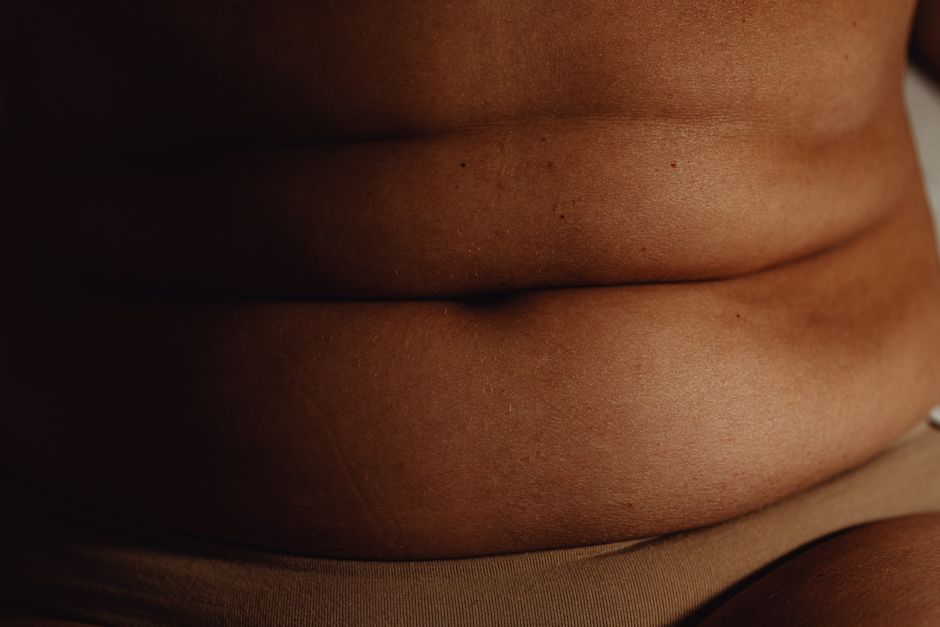
Belly fat is stubborn, and there is no shortage of misinformation about how to get rid of it. The honest answer is that you cannot target fat loss to one specific area of your body. Burning tummy fat requires a consistent calorie deficit, which means burning more energy than you take in, combined with strength training and healthy sleep habits. Spot reduction is a myth, but a step-by-step approach that reduces overall body fat will eventually shrink your waistline.
Why Does Belly Fat Accumulate in the First Place?
Fat storage is a normal biological process. Your body stores excess energy as fat for later use. Where you store that fat is largely determined by genetics, hormones, and age. Some people naturally store more fat in their midsection, while others store it in their hips and thighs.
There are two main types of belly fat. Subcutaneous fat sits just under the skin and is the pinchable layer. Visceral fat is deeper, surrounding your organs like the liver and intestines. Visceral fat is more metabolically active and is the type most strongly linked to heart disease and type 2 diabetes. Both types respond to the same fat-loss strategies, but visceral fat typically mobilizes first when you start losing weight.
Step 1: Create a Sustainable Calorie Deficit
Weight loss comes down to energy balance. To lose one pound of body fat, you need a deficit of roughly 3,500 calories. That does not mean you should starve yourself. A moderate deficit of 300 to 500 calories per day leads to about one pound of weight loss per week, which is sustainable and less likely to trigger muscle loss.
You do not need to count every calorie forever, but you do need an honest picture of what you are eating. For a few weeks, track your food intake with an app or a food diary. This is not about obsession. It is about awareness. Many people are surprised to find that liquid calories from soda, juice, and alcohol add hundreds of daily calories they had not accounted for.
Protein deserves special attention. It keeps you full longer than carbohydrates or fat, and it helps preserve muscle mass while you are in a calorie deficit. Aim for a palm-sized portion of protein at each meal. Lean meats, fish, eggs, beans, lentils, and Greek yogurt are all solid options.
Step 2: Prioritize Whole Foods Over Processed Ones
Whole foods are naturally lower in calories per gram than ultra-processed foods. They also contain fiber, which slows digestion and signals fullness. Vegetables, fruits, whole grains, nuts, seeds, and legumes should make up the bulk of your plate.
Ultra-processed foods are engineered to be hyper-palatable. They are easy to overeat because they do not trigger the same fullness signals as whole foods. Chips, cookies, sugary cereals, and fast food are calorie-dense but nutritionally poor. Swapping these for whole foods is one of the most effective ways to reduce your calorie intake without feeling deprived.
Fiber is particularly important for belly fat. Soluble fiber, found in oats, barley, apples, carrots, and beans, forms a gel in your gut that slows digestion. Some research suggests that higher soluble fiber intake is associated with less visceral fat accumulation. The mechanism is not fully proven, but the fullness benefit is well established.





Step 3: Move More Throughout the Day
Exercise burns calories, but daily movement matters just as much. Non-exercise activity thermogenesis, or NEAT, is the energy you burn from everyday activities like walking, cleaning, and climbing stairs. People who move more throughout the day can burn hundreds of extra calories without stepping foot in a gym.
Walking is underrated. A brisk 30-minute walk burns roughly 150 calories for a 155-pound person. That adds up to about 1,000 calories per week. Walking after meals also helps regulate blood sugar levels, which can reduce cravings later in the day.
Small changes compound. Take the stairs instead of the elevator. Park farther from the store entrance. Stand while working if you have a desk job. These micro-movements are not a substitute for structured exercise, but they contribute meaningfully to your total daily energy expenditure.
Step 4: Lift Weights to Preserve Muscle
When you lose weight, you lose both fat and muscle. Muscle loss is undesirable because muscle tissue burns more calories at rest than fat tissue. Strength training signals your body to hold onto muscle while you are in a calorie deficit.
You do not need a gym membership. Bodyweight exercises like squats, push-ups, lunges, and planks are effective for beginners. As you get stronger, you will need to add resistance. Dumbbells, resistance bands, or kettlebells at home work fine. The key is progressive overload, which means gradually increasing the weight or reps over time.
Aim for two to three strength sessions per week. Each session should target all major muscle groups. This is not about building bulky muscles. It is about maintaining the metabolically active tissue you already have.
Step 5: Use Cardio Strategically
Cardiovascular exercise accelerates the calorie deficit. Running, cycling, swimming, and rowing all burn substantial calories. The best cardio is the one you will actually do consistently.
High-intensity interval training, or HIIT, alternates short bursts of intense effort with recovery periods. A typical session might be 30 seconds of sprinting followed by 90 seconds of walking, repeated for 15 to 20 minutes. HIIT is time-efficient and produces a similar calorie burn to steady-state cardio in less time. Some research suggests HIIT may be particularly effective at reducing visceral fat, though both methods work.
Steady-state cardio is simpler and easier to recover from. A 45-minute moderate-intensity bike ride or jog is accessible to most people. The best approach is to include both. Use HIIT once or twice per week and steady-state cardio on other days.
Step 6: Prioritize Sleep and Stress Management
Sleep is not optional when it comes to fat loss. Short sleep is consistently associated with higher body weight and increased abdominal fat. The mechanism involves hormones. Poor sleep increases ghrelin, which stimulates appetite, and decreases leptin, which signals fullness. You feel hungrier and less satisfied after meals.
Sleep deprivation also raises cortisol, a stress hormone. Elevated cortisol over time promotes fat storage in the abdominal area. This is a physiological response, not a character flaw.
Aim for seven to nine hours of quality sleep per night. Consistent sleep and wake times, a cool dark bedroom, and no screens for 30 minutes before bed all help. Chronic stress management matters too. Meditation, deep breathing, or simply taking 10 minutes of quiet time daily can lower cortisol levels.
How Long Does It Take to See Results?
Fat loss is a slow process. A healthy rate is one to two pounds per week. If you are losing weight, you are losing fat from your entire body, including your midsection. You may notice your face, arms, or legs slimming before your waistline. This is normal and determined by genetics.
Most people notice changes in clothing fit within four to six weeks of consistent effort. Visible changes in the mirror often take longer, sometimes eight to twelve weeks. Do not compare your timeline to someone else’s. Fat distribution patterns vary widely between individuals.
Plateaus are normal. Your body adapts to a lower calorie intake and increased activity. If weight loss stalls for more than two to three weeks, you may need to adjust your calorie intake downward or increase your activity level. The principles stay the same. You just need to recalibrate.
What About Ab Exercises and Waist Trainers?
Crunches, planks, and sit-ups strengthen your abdominal muscles. They do not burn the fat covering those muscles. You can have strong abs hidden under a layer of fat. Spot reduction is not supported by scientific evidence. Exercise burns fat systemically, not locally.
Waist trainers and corsets are worse than useless. They temporarily compress your waistline but do not change fat distribution. Prolonged use can restrict breathing, weaken core muscles, and cause discomfort. No clinical evidence supports them for fat loss.
Ab exercises are still worth doing. A strong core improves posture, reduces back pain, and supports everyday movements. Just do them for functional reasons, not for fat loss.
Frequently Asked Questions
Can you spot-reduce belly fat with specific exercises?
No. Spot reduction is not supported by scientific evidence. Fat loss occurs systemically, and your genetics determine where you lose fat first.
How many calories should I cut to lose belly fat?
A moderate deficit of 300 to 500 calories per day supports sustainable weight loss of about one pound per week. This deficit applies to total body fat, not just the belly.
Do ab exercises help burn belly fat?
Ab exercises strengthen your core muscles but do not directly burn the fat covering them. They are valuable for strength and posture, not for localized fat loss.
How long does it take to see a difference in belly fat?
Most people notice changes in clothing fit within four to six weeks of consistent calorie deficit and exercise. Visible changes in the mirror often take eight to twelve weeks.
